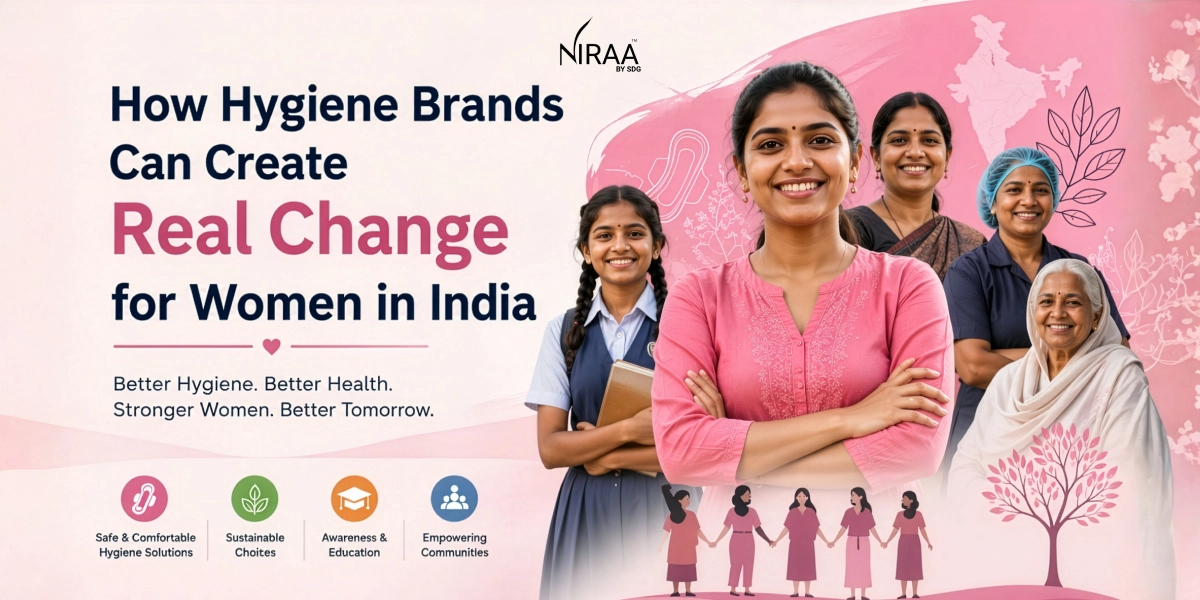
For millions of women and girls in India, hygiene is still linked with silence, stigma, and limited access. Despite growing awareness, many women still struggle to access safe hygiene products, proper sanitation facilities, and accurate menstrual education. In several communities, periods are still treated as a taboo instead of a natural part of life.
Poor menstrual hygiene affects much more than physical comfort. It impacts confidence, education, health, and dignity. Many girls miss school during their periods because of inadequate facilities, lack of awareness, or fear of embarrassment, while women in rural areas continue to face affordability and accessibility challenges.
According to the National Family Health Survey-5 (NFHS-5), only 27.7 per cent of young women aged 15–24 years in India have access to adequate menstrual hygiene management. Poor menstrual hygiene support and inadequate sanitation facilities continue to affect school attendance and participation for girls across India, particularly in rural and underserved communities.
These challenges show that hygiene is not only about products. It is also connected to awareness, education, dignity, accessibility, and better sanitation infrastructure. Hygiene brands today have the opportunity to create meaningful social impact by supporting women through education, accessibility, and long-term awareness initiatives.
This blog explores the specific ways hygiene brands can take meaningful steps to support women across India through better products, stronger awareness programs, and long-term community engagement.
The Reality of Women’s Hygiene Challenges in India
Menstrual hygiene access in India still varies greatly between urban and rural regions. While awareness and product availability have improved in cities, many women in rural and underserved communities continue to face challenges related to sanitation, affordability, and accessibility.
In several villages and small towns, access to clean toilets, water, and safe disposal systems remains limited. Many school-going girls also struggle with inadequate sanitation facilities during menstruation.
Regional disparities continue to affect menstrual hygiene awareness and accessibility across India. Some states have better sanitation infrastructure and hygiene education, while others still face major gaps in facilities and awareness. These inequalities directly impact women’s health, education, and confidence. For hygiene brands operating in India, these regional disparities represent both a challenge and a clear direction. Meaningful brand action means going beyond urban markets and addressing the gaps where women need support the most.
The Health and Social Impact of Poor Hygiene Access
Poor menstrual hygiene can affect both physical and emotional well-being. Using unsafe or unhygienic products may increase the risk of irritation, discomfort, and infections, especially when women do not have access to proper hygiene facilities.
Menstrual stigma also affects confidence and social participation. Many girls feel embarrassed discussing periods openly, which can lead to stress, anxiety, and hesitation in schools, workplaces, or public spaces.
Limited hygiene access may also affect education and daily activities. Girls often avoid attending school, sports, or social events during menstruation because they do not feel comfortable or supported.
Better menstrual hygiene awareness is closely linked with women’s overall health, confidence, and quality of life. Access to safe products, clean sanitation facilities, and proper education can help women manage menstruation with greater dignity and comfort. Hygiene brands are well-positioned to contribute to each of these areas through product design, awareness communication, and support for better sanitation access.
Why Hygiene Brands Have a Bigger Responsibility Today
Hygiene brands today influence much more than product choices. They also shape conversations around health, confidence, dignity, and awareness. In a country where millions of women still face hygiene-related challenges, brands have the opportunity to create meaningful social impact through education, accessibility, and community support.
Women today expect hygiene brands to understand real concerns such as affordability, comfort, skin safety, and menstrual awareness. Brands that actively support awareness initiatives and hygiene education often build stronger trust and long-term connections with consumers.
Bridging this gap also requires brands to look beyond urban audiences. Many women in rural and underserved communities still struggle with limited product accessibility and poor sanitation support. Responsible hygiene brands can help address these gaps by improving accessibility, supporting awareness campaigns, and encouraging healthier hygiene practices.
Lasting impact happens when brands combine products, education, and infrastructure support.
Brands that focus on dignity, awareness, and empowerment instead of only marketing can contribute to long-term improvements in women’s health, confidence, and everyday well-being.
Breaking the Taboo Through Awareness and Education
Menstrual stigma and lack of awareness still prevent many women and girls in India from openly discussing hygiene and health concerns. Education and awareness play an important role in breaking these taboos by encouraging open conversations, reducing misinformation, and helping women manage menstruation with greater confidence and dignity. Hygiene brands are uniquely placed to drive this change. With the reach, resources, and consumer trust that established brands carry, they can fund awareness programs, create educational content, and help normalize conversations around menstrual health at scale.
Why Menstrual Education Matters
Menstrual education helps girls understand their bodies, hygiene needs, and overall health more confidently. Better awareness can normalize conversations around periods, reduce shame, and encourage healthier hygiene practices from an early age. It also helps young girls feel more comfortable discussing their concerns openly and managing menstruation with confidence. To understand how open conversations can improve confidence and awareness, read the breaking period taboo.
Why Boys Should Be Part of the Conversation
Menstrual awareness should not be limited only to girls and women. Educating boys about periods can help reduce stigma, create supportive environments, and encourage more respectful social attitudes toward women’s health. When boys understand menstruation as a natural biological process, it becomes easier to build healthier and more open conversations around menstrual hygiene.
What Awareness Programs Actually Work
Effective menstrual hygiene awareness programs focus on education, accessibility, and community participation. School workshops, village awareness campaigns, regional-language educational content, and local women educators often create stronger awareness, especially in rural communities.
Awareness campaigns that use localized and regional-language communication are often more effective in reaching underserved communities across India. Several initiatives, including Tata Water Mission and Menstrual Hygiene Management Summit, have contributed to improving menstrual hygiene awareness through workshops, sanitation campaigns, and community outreach programs. Community participation and family support also play an important role in building confidence among young girls. Hygiene brands can strengthen these efforts by supporting regional-language campaigns, partnering with local educators, and investing in school-level hygiene awareness programs.
Making Safe and Affordable Hygiene Products More Accessible
Access to safe and affordable hygiene products is still a major challenge for many women in India, especially in rural and underserved communities. While awareness around menstrual hygiene is growing, affordability and product accessibility continue to affect how women manage their periods safely and comfortably.
Affordable Hygiene Solutions for Underserved Communities
For many families, the cost of menstrual hygiene products can become a barrier to regular and safe usage. Women in rural areas often face additional challenges such as limited product availability, lack of nearby stores, and poor distribution networks.
Several initiatives in India are working toward improving accessibility through low-cost sanitary pad programs, vending machines, and community-level distribution systems. Programs such as Jan Aushadhi, WHEELS Global, and Project Shakti have helped improve access to affordable hygiene products for underserved communities. Private hygiene brands can complement these efforts by designing affordable product variants, partnering with existing distribution networks, and extending their reach into markets where quality hygiene products are still difficult to find.
Why Product Safety and Comfort Matter
Choosing safe and comfortable hygiene products is equally important for maintaining good menstrual health. Skin-safe materials, breathable layers, softness, and long-hour comfort can help women feel more comfortable and confident during their periods.
Poor-quality products or prolonged usage may sometimes lead to irritation, discomfort, or hygiene-related concerns. This is why awareness around product quality and menstrual hygiene practices continues to be important for women’s health and well-being. To understand the risks associated with unsafe menstrual products, know about hidden health hazards of sanitary pads.
Why Sustainable Hygiene Solutions Matter for India’s Future
As awareness around environmental responsibility grows, many women are also becoming more conscious about the impact of hygiene products on the environment. Disposable hygiene waste, plastic usage, and unsustainable production practices continue to raise important concerns for both public health and sustainability.
Sustainable hygiene solutions can help reduce environmental impact while encouraging safer and more responsible hygiene choices. Eco-conscious consumers today increasingly prefer products that focus on comfort, safety, and environmentally responsible manufacturing practices.
For hygiene brands, this shift represents a clear responsibility. Sustainable product development, responsible packaging, and disposal awareness campaigns are areas where brands can take concrete action – not just as a business decision, but as a meaningful contribution to environmental and public health.
Brands that invest in sustainable hygiene solutions not only contribute to environmental well-being but also support long-term women’s health and awareness initiatives. Responsible production, better disposal awareness, and eco-friendly innovation are becoming important parts of the future of hygiene in India.To understand how sustainable hygiene connects with social impact and women empowerment, read about sustainable hygiene and women empowerment.
The Role of Women Entrepreneurs in India’s Hygiene Revolution
Women entrepreneurs are playing an important role in improving hygiene awareness and accessibility across India. From local production units to community-led distribution networks, many women are helping bring affordable hygiene products and awareness initiatives to underserved communities.
These women-led efforts not only improve menstrual hygiene accessibility but also create opportunities for financial independence, employment, and community development. Local women educators and entrepreneurs often build stronger trust within communities, making awareness campaigns more effective and relatable.
Several organizations and social initiatives, including Aakar Innovations and Desai Foundation, have supported women-led hygiene programs focused on education, accessibility, and sustainable production practices.
Women entrepreneurs are not only contributing to better hygiene awareness but are also helping create long-term social and economic impact within their communities. Hygiene brands can actively support these efforts by partnering with women-led distribution networks, providing product access to local entrepreneurs, and investing in community-level hygiene programs that are led by women who already understand the communities they serve.
How Innovation in Hygiene Products Improves Everyday Comfort
For hygiene brands, innovation is not just a competitive advantage – it is a responsibility. Investing in better product design means investing directly in women’s comfort, confidence, and health. Modern hygiene products are now designed with features such as breathable layers, soft materials, skin-safe technology, and better absorbency to support everyday comfort during menstruation.
Women today are becoming more aware of the importance of choosing products that not only provide protection but also support skin comfort and long-hour freshness. Better product innovation can help reduce discomfort, irritation, and hygiene-related concerns while improving confidence during daily activities.
Hygiene technology has also encouraged the development of products focused on improved comfort and hygiene support, helping women manage menstruation with greater ease and confidence.
Women should also understand the importance of choosing safe hygiene products to reduce possible hygiene-related concerns.
What Brands Must Do to Create Long-Term Impact
Creating lasting impact in women’s hygiene requires more than just selling products. Brands that focus on awareness, accessibility, education, and community support are more likely to create long-term social impact.
Invest in Education, Not Just Marketing
Hygiene awareness campaigns, school workshops, and community education programs can help women and girls understand menstrual health more confidently. Educational initiatives often create stronger long-term impact than traditional promotional campaigns alone.
Build Grassroots Distribution Networks
Many women in rural and underserved communities still struggle with limited product accessibility. Brands can improve reach by supporting local distribution systems, women-led sales networks, and community-based accessibility programs.
Support WASH Infrastructure
Clean toilets, water access, and proper sanitation facilities are essential for safe menstrual hygiene management. Brands and organizations can contribute by supporting hygiene-friendly infrastructure in schools, villages, and public spaces.
Improving sanitation access is especially important for women who travel daily for work, education, or other responsibilities. Better hygiene infrastructure and awareness can help women feel safer and more comfortable while managing hygiene on the go.
Create Dignity-First Messaging
Awareness campaigns should focus on empowerment, confidence, and education rather than shame-based communication. Positive and respectful messaging helps normalize conversations around menstrual hygiene and women’s health.
Partner With Local Communities
Community participation plays an important role in creating long-term awareness and accessibility. Partnerships with NGOs, local educators, and women-led initiatives can help brands support hygiene awareness at the grassroots level and reach underserved communities more effectively.
How Brands Like NIRAA By SDG Can Contribute to Meaningful Change
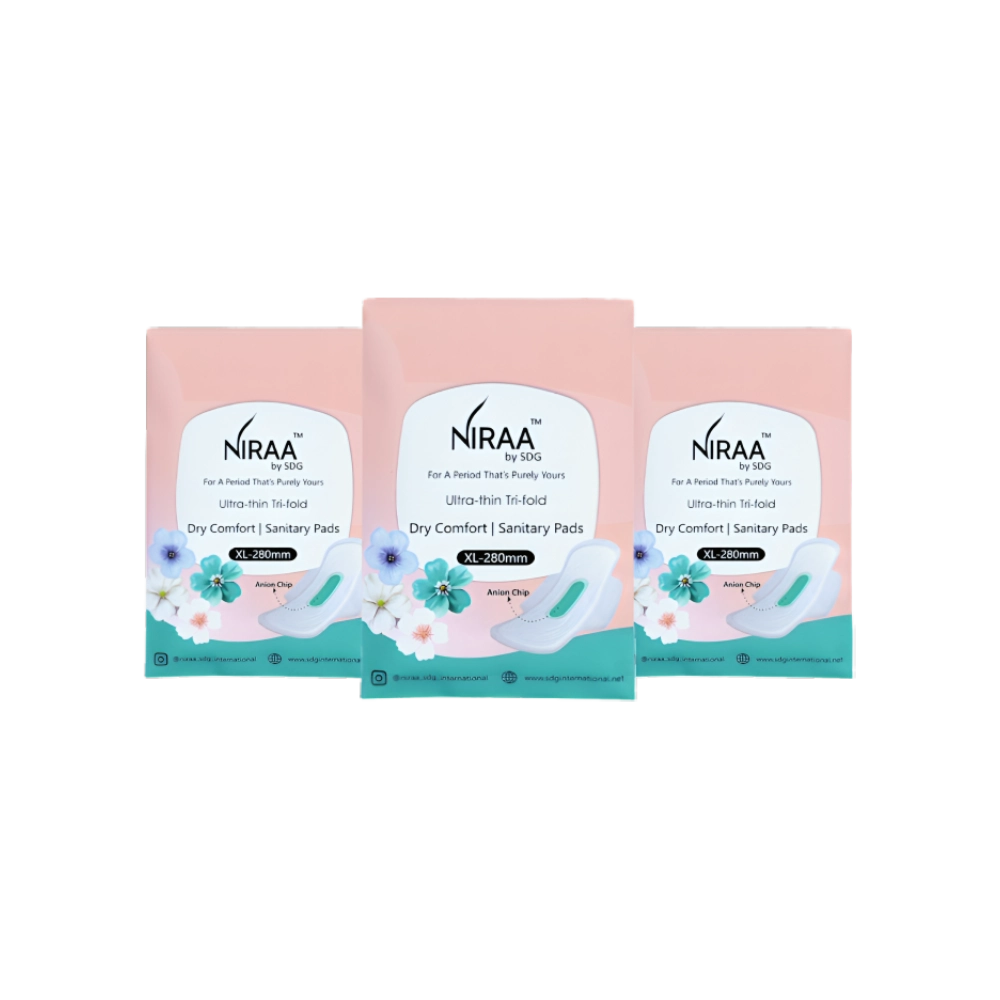
Creating meaningful change in women’s hygiene requires a long-term commitment to awareness, accessibility, comfort, and education. For NIRAA By SDG, this commitment goes beyond the product itself.
On the awareness front, the brand has taken early steps toward community engagement through CSR initiatives at school and college campuses, as well as hygiene awareness drives conducted at the time of its launch. These on-ground efforts reflect a brand that understands the importance of reaching women and young girls directly, not just through advertising.
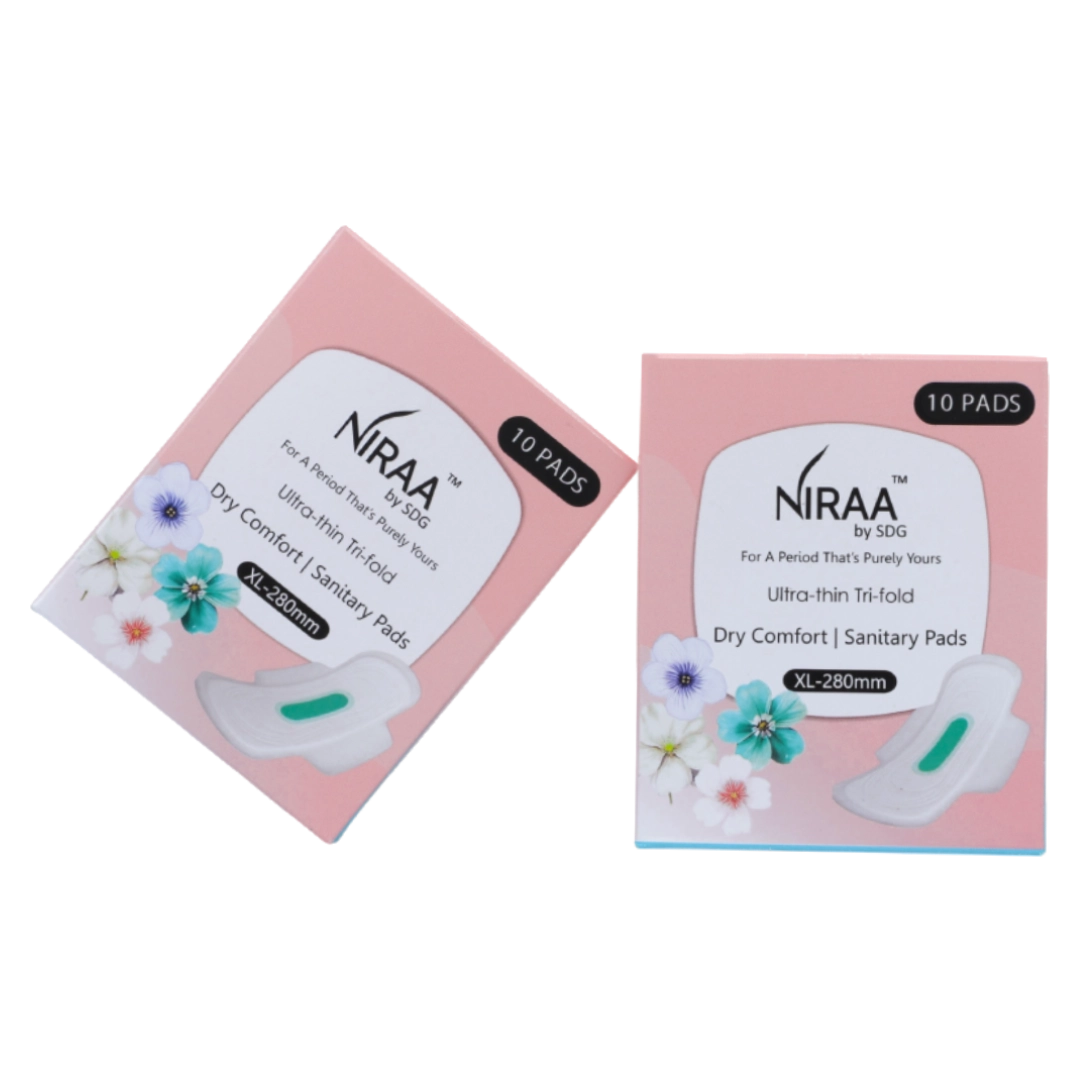
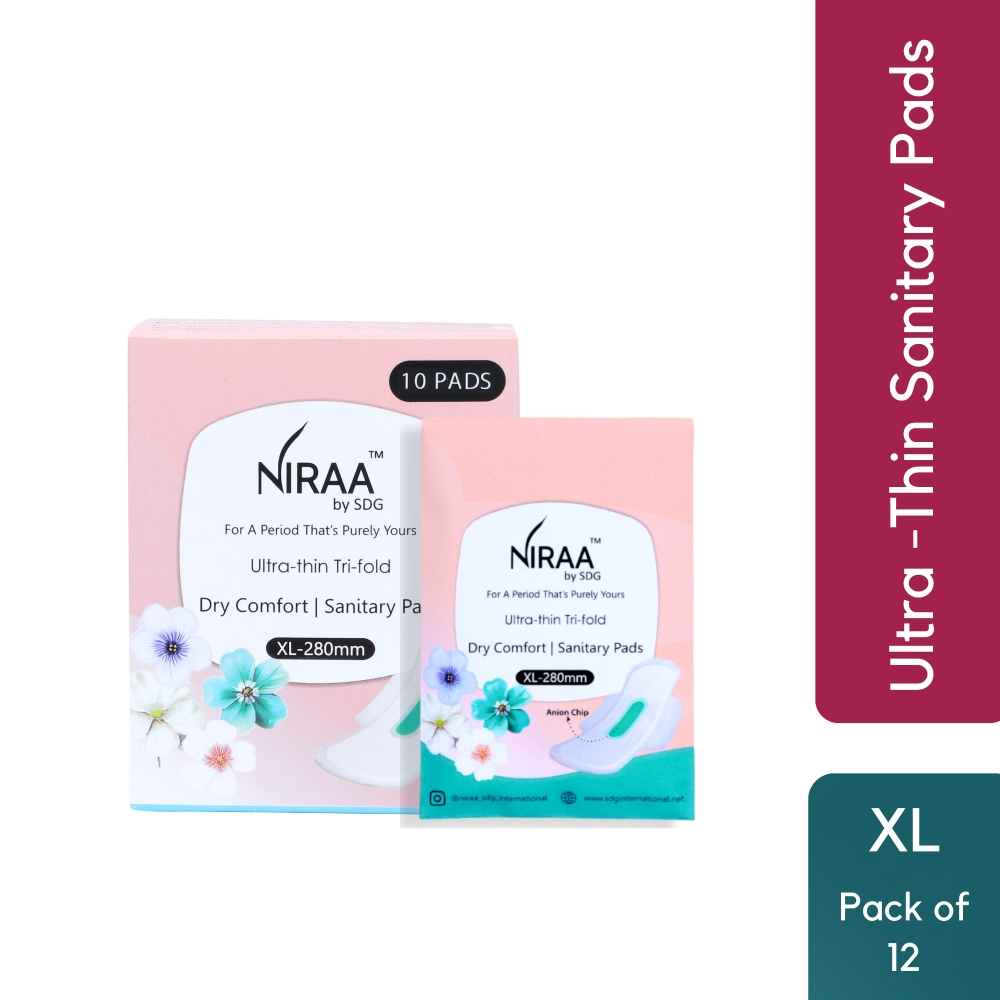
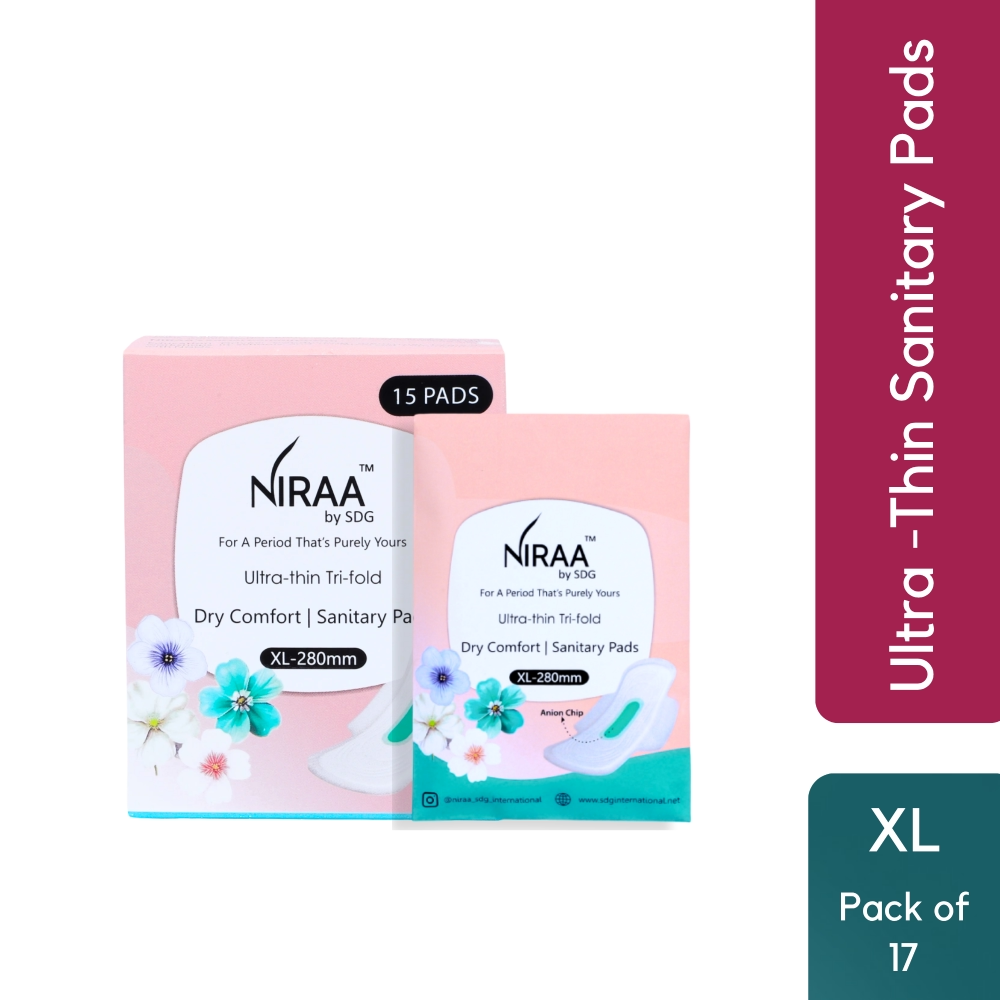
On the product side, NIRAA pads are made with organic cotton, formulated without harmful chemicals, and designed to be free from plastic materials. In a market where many products still rely on synthetic and plastic-based components, this is a meaningful commitment – one that supports both skin comfort and environmental responsibility.
On accessibility, products are currently available online at pricing that is competitive within the category, making quality hygiene accessible without a premium cost. As the brand grows, extending this reach to underserved and rural communities remains an important part of the long-term vision.
The goal is to build a brand that women can trust – not just for the comfort and safety of its products, but for the values it stands behind.
The Impact We Can Create Together
Improving women’s hygiene is not only about providing products. It is about creating better opportunities for health, education, confidence, and dignity. When women have access to safe hygiene products, proper awareness, and supportive environments, they are more likely to participate confidently in schools, workplaces, and everyday life.
Breaking menstrual stigma and improving hygiene accessibility can create long-term positive impact for families and communities across India. Better awareness also encourages healthier conversations around women’s health and supports future generations with stronger confidence and understanding.
Real change happens when hygiene becomes a right, not a privilege.
Conclusion
The path to meaningful change in women’s hygiene is not a single step – it is a combination of better products, stronger awareness, deeper community engagement, and long-term commitment. Hygiene brands that understand this are not just selling a product. They are contributing to healthier lives, more confident women, and stronger communities.
For brands operating in India today, the opportunity is clear. Investing in awareness programs, improving rural accessibility, supporting women-led initiatives, and innovating for comfort and safety are all ways brands can create impact that goes well beyond the shelf.
The brands that will matter most to Indian women in the years ahead are the ones that show up not just with products, but with purpose.
FAQs
What percentage of women in India have access to sanitary pads?
According to the National Family Health Survey-5 (NFHS-5), only 27.7 per cent of young women aged 15–24 years in India have access to adequate menstrual hygiene management facilities, including safe hygiene products, clean water, soap, and private sanitation spaces.
Why do girls drop out of school during menstruation?
Many girls in India miss school or drop out after puberty due to lack of sanitary products, poor sanitation facilities, menstrual stigma, and limited hygiene awareness. Inadequate washrooms and fear of embarrassment also affect school attendance during periods.
What is period poverty in India?
Period poverty in India refers to the lack of access to sanitary products, menstrual hygiene education, clean water, and proper sanitation facilities. It affects women’s health, education, confidence, and daily well-being.
How can hygiene brands create real change for women?
Hygiene brands can create meaningful impact by supporting menstrual awareness, improving product accessibility, investing in hygiene education, promoting safe and sustainable products, and supporting community-level hygiene initiatives.
Why is menstrual hygiene awareness important in India?
Menstrual hygiene awareness helps reduce stigma, improve hygiene practices, encourage open conversations, and support women’s physical and emotional well-being. Better awareness also helps girls manage menstruation with greater confidence and dignity.
How do hygiene products support women empowerment?
Safe and accessible hygiene products help women manage menstruation with greater comfort, confidence, and dignity. Better hygiene access also supports education, mobility, and participation in everyday life.
Why is menstrual hygiene important for women’s health?
Menstrual hygiene is important for women’s health because safe hygiene practices help reduce the risk of irritation, infections, discomfort, and other hygiene-related concerns. Proper menstrual hygiene also supports overall comfort, confidence, and well-being.