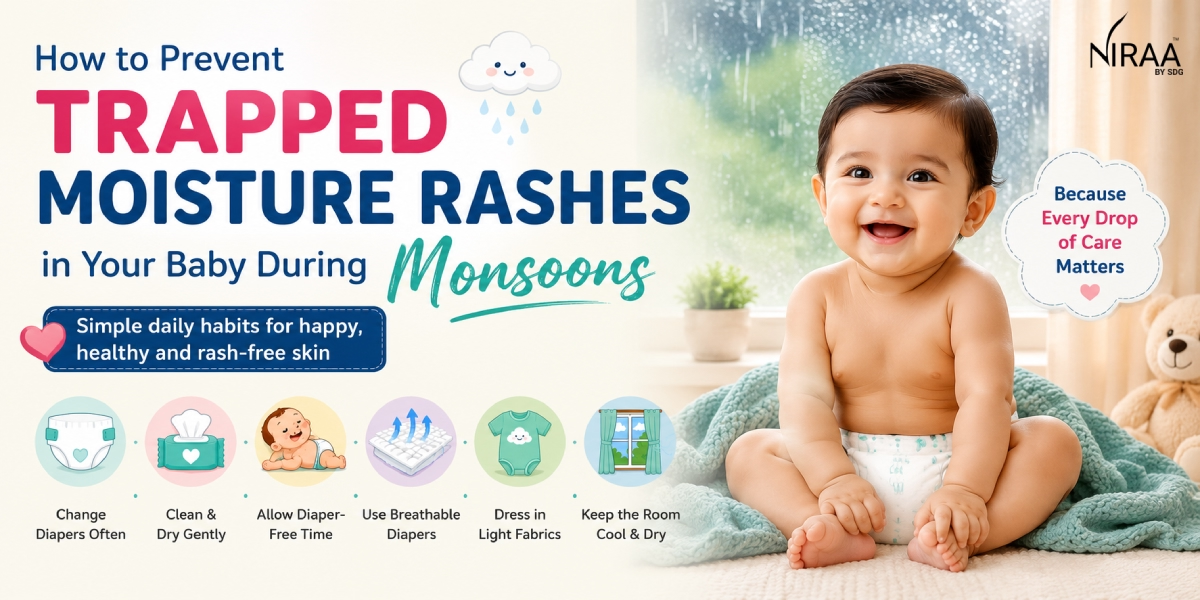
Monsoons bring welcome relief from the heat, but they also create new challenges for parents caring for their little ones. Higher humidity, frequent sweating, and damp weather can make everyday diapering more difficult, especially when it comes to keeping your baby’s delicate skin dry and comfortable. During this season, many parents notice more redness, irritation, or discomfort around the diaper area, even when they follow their usual diapering routine.
A key reason is trapped moisture. Unlike a visibly wet diaper, trapped moisture isn’t always easy to notice. Sweat, humidity, urine, and limited airflow inside the diaper can create a warm, damp environment that stays in contact with your baby’s skin for longer. Over time, this may increase the chances of diaper rash during monsoon and other moisture-related skin irritation, particularly during changing seasons.
Understanding why this happens can help parents make more informed diapering decisions during monsoons and changing seasons. In this article, we’ll explore why humid weather affects diapering, what causes trapped moisture inside a diaper, the early signs of skin irritation, and what every parent should know to better understand this common seasonal challenge.
Why Monsoons and Changing Seasons Can Be Tough on Your Baby’s Skin
Monsoons and changing seasons bring a noticeable shift in temperature and humidity. While the cooler weather may feel comfortable, the increased moisture in the air can make it more difficult to keep your baby’s diaper area dry. As humidity rises, sweat evaporates more slowly, leaving the skin damp for longer periods. Combined with everyday diaper use, these seasonal conditions can increase the likelihood of skin irritation.
A baby’s skin is naturally thinner, softer, and more delicate than an adult’s, making it more sensitive to changes in the environment. During humid weather, the diaper area is often exposed to sweat, warmth, and limited airflow. When these conditions persist, the skin’s natural protective barrier can become more vulnerable to irritation, especially if moisture remains in contact with the skin for an extended time.
Unlike adults, babies cannot regulate their body temperature as effectively, so they may sweat more in warm and humid conditions. The diaper area is particularly affected because it stays covered for most of the day. Even when a diaper doesn’t appear overly wet, the combination of humidity, body heat, and everyday moisture can create conditions that are less comfortable for your baby’s skin.
What Causes Trapped Moisture Inside a Diaper?
Diaper rashes are often associated with wet diapers, but moisture alone isn’t the only factor. During monsoons and changing seasons, several conditions work together to create a warm and damp environment inside the diaper. When sweat, urine, body heat, and limited airflow combine, moisture can remain in close contact with your baby’s skin for longer than expected. Understanding these contributing factors can help parents recognize why skin irritation becomes more common during humid weather.
Sweat During Humid Weather
Babies can sweat more during monsoons because the humid air slows down the natural evaporation of sweat. Since the diaper area stays covered for most of the day, heat and perspiration can become trapped inside. Even if the diaper isn’t heavily soiled, the skin may remain damp, making it more susceptible to irritation over time.
Urine and Stool
Urine and stool naturally expose the skin to moisture. If they remain in contact with the skin for extended periods, they can affect the skin’s natural pH balance and weaken its protective barrier. During humid weather, this moisture may take longer to dry, increasing the likelihood of discomfort and irritation.
Friction on Damp Skin
Skin that stays damp is generally more sensitive to rubbing. As babies move, crawl, or kick, the diaper gently rubs against the skin. When moisture is present, this everyday friction can lead to redness or irritation more quickly than it would on dry skin. This is why keeping the diaper area comfortable is just as important as keeping it clean.
Limited Air Circulation
A diaper naturally covers the skin to absorb wetness and prevent leaks, but it can also limit airflow around the diaper area. During monsoons, when the surrounding air is already humid, reduced ventilation inside the diaper can make it harder for excess moisture to escape. This combination of warmth and humidity creates conditions where trapped moisture is more likely to build up.
No single factor is usually responsible for moisture-related skin irritation. Instead, it is often the combination of sweat, urine, friction, and limited airflow that increases the chances of discomfort during monsoons and changing seasons. Recognizing these factors makes it easier to understand why babies may experience diaper rash more frequently during humid weather and prepares parents for the practical steps discussed in the next section.
Signs Your Baby May Be Experiencing Moisture-Related Skin Irritation
Babies can’t tell us when something feels uncomfortable, so parents often rely on changes in their baby’s skin and behaviour to spot early signs of irritation. During monsoons and changing seasons, moisture-related skin irritation can develop gradually. Recognising these signs early can help parents understand when the skin may be reacting to prolonged moisture and when it may need closer attention.
Mild Symptoms You Can Usually Manage at Home
Mild moisture-related skin irritation often appears as light redness in the diaper area. The affected skin may feel slightly warm to the touch, and your baby may seem a little uncomfortable during diaper changes. Some babies may become fussier than usual, especially when the diaper is removed or the skin is cleaned.
You may also notice small areas of irritation around the buttocks, thighs, or skin folds where moisture tends to collect. In many cases, these early signs remain mild and do not interfere with your baby’s usual feeding, sleeping, or playtime. Keeping an eye on these changes can help you understand whether the irritation is improving or becoming more noticeable.
When It’s Time to Visit a Pediatrician
While many mild diaper rashes improve with proper care, some symptoms should not be ignored. If the rash lasts for several days without improvement, spreads beyond the diaper area, or becomes more severe, it’s best to consult a pediatrician.
Seek medical advice if you notice:
- Blisters or open sores on the skin
- Pus or yellow discharge
- Fever along with the rash
- Swelling or signs of infection
- Your baby seems unusually uncomfortable or cries during every diaper change
- The rash continues to worsen despite keeping the diaper area clean and dry
A pediatrician can identify the underlying cause of the irritation and recommend the most appropriate treatment if needed. Avoid using medicated creams or home remedies without professional advice, especially if the rash appears severe or persistent.
How to Prevent Trapped Moisture Rashes During Monsoons
Monsoons bring higher humidity and increased moisture, making it more challenging to keep your baby’s diaper area dry. While it’s not always possible to avoid sweat or humid weather, a few simple diapering habits can go a long way in reducing the chances of moisture-related skin irritation. The goal is to minimise prolonged contact with moisture and help your baby’s skin stay as clean, dry, and comfortable as possible.
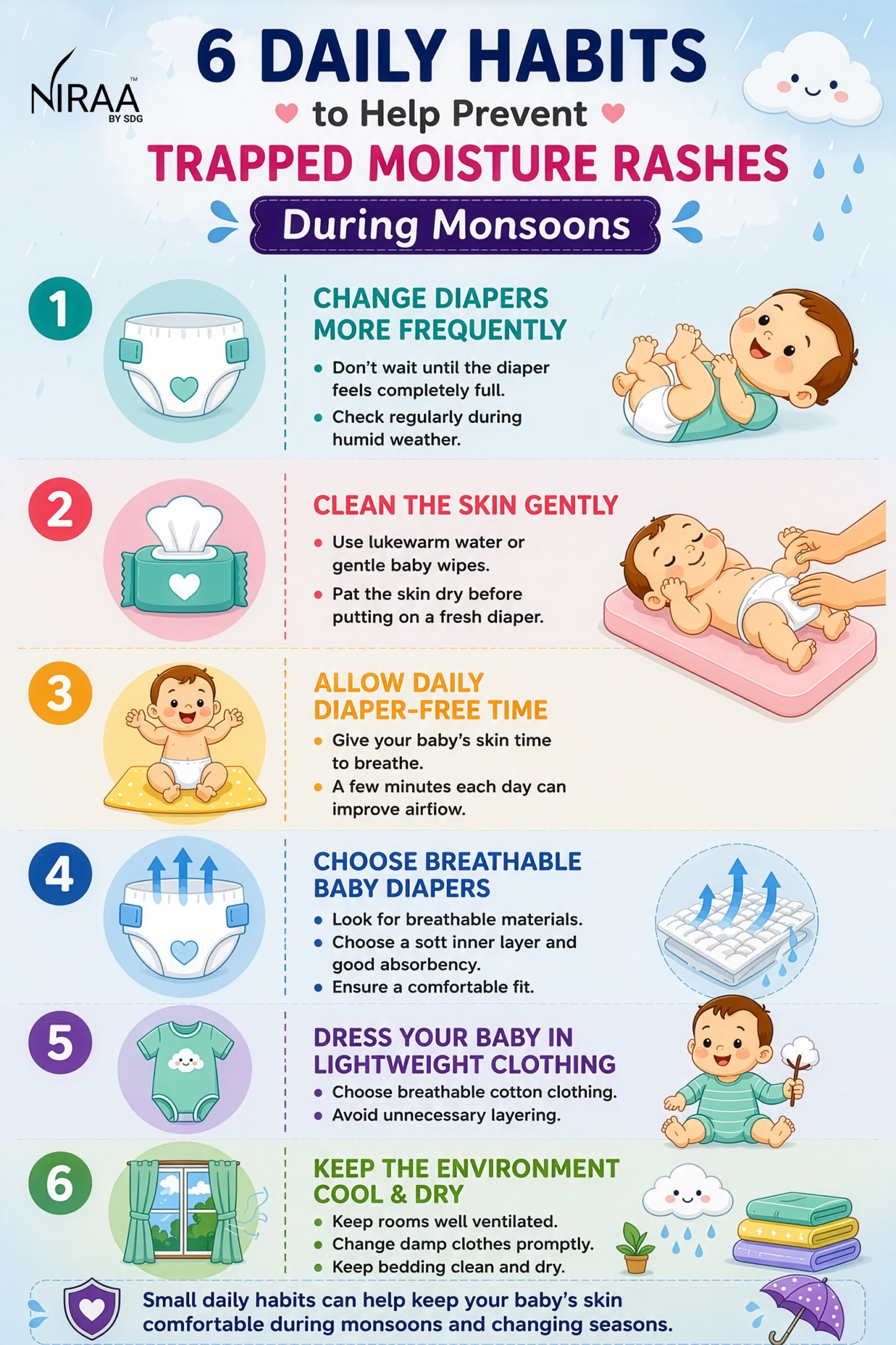
Change Diapers More Frequently
One of the simplest ways to reduce the risk of trapped moisture rashes is by changing your baby’s diaper regularly. During monsoons, sweat and humidity can make the diaper area damp even before the diaper feels completely wet or heavy.
Rather than waiting for a diaper to become fully soaked, check it periodically, especially during warm and humid days. Frequent diaper changes reduce the amount of time moisture stays in contact with your baby’s skin and help maintain a cleaner, more comfortable diapering environment.
Clean the Skin Gently
Every diaper change is an opportunity to care for your baby’s delicate skin. Clean the diaper area gently using lukewarm water or soft baby wipes that are suitable for your baby’s skin. Avoid scrubbing or rubbing the skin, as it may cause further irritation, particularly if redness is already present.
After cleaning, gently pat the skin dry instead of rubbing it with a towel. Even a small amount of leftover moisture can become uncomfortable in humid weather, so taking a few extra moments to ensure the skin is dry can make a noticeable difference.
Allow Daily Diaper-Free Time
Giving your baby a few minutes of diaper-free time each day allows the skin to breathe naturally. This short break from wearing a diaper helps reduce the continuous build-up of warmth and moisture around the diaper area.
Choose a clean, safe place and place an absorbent mat underneath your baby during diaper-free time. Even a few minutes can help improve air circulation and give the skin a chance to feel fresh before the next diaper change.
Choose Breathable Baby Diapers
The type of diaper you choose also plays an important role in your baby’s comfort during humid weather. Since the diaper area remains covered for long hours, selecting diapers made with breathable materials can help improve airflow and reduce heat build-up inside the diaper.
Look for diapers with a soft inner layer that feels gentle against delicate skin and an absorbent core that helps manage wetness effectively. A comfortable fit is equally important, as diapers that are too tight may increase friction, while loose-fitting diapers may lead to leaks.
Dress Your Baby in Lightweight Clothing
Your baby’s clothing also affects how much heat and moisture build up throughout the day. Lightweight, breathable fabrics such as cotton allow better air circulation and help keep your baby comfortable during humid weather.
Avoid dressing your baby in multiple thick layers unless the weather genuinely requires it. Choosing weather-appropriate clothing can help reduce excess sweating and improve overall comfort.
Keep Your Baby’s Environment Cool and Dry
A comfortable indoor environment can also support healthy skin during the monsoon season. Good ventilation helps reduce excess humidity indoors, while clean, dry bedding prevents unnecessary exposure to dampness.
If your baby’s clothes become wet from sweat or humidity, change them promptly. Small habits like keeping the room airy and replacing damp clothing can contribute to a more comfortable environment throughout the day.
Caring for Your Baby’s Skin During Humid Weather
Humid weather doesn’t just affect how often diapers need changing. It can also make your baby’s skin more sensitive to prolonged moisture and friction. Along with following a good diapering routine, using appropriate skincare products and avoiding practices that may further irritate the skin can help keep the diaper area comfortable during monsoons.
When Barrier Creams Can Help
Barrier creams create a protective layer between your baby’s skin and moisture, helping reduce direct contact with urine and stool. They can be particularly helpful if your baby is prone to mild diaper irritation or if the skin appears slightly red.
Use only a thin layer on clean, dry skin, as applying too much product may make cleaning more difficult during the next diaper change. If your baby has persistent or severe diaper rash, it’s always best to consult a pediatrician before using medicated creams or ointments.
Skincare Products to Use with Caution During Monsoons
Not every product marketed for baby skincare is suitable for everyday use during humid weather. Some products may trap additional heat or moisture, while others can irritate already sensitive skin.
When caring for your baby’s diaper area during monsoons, keep these points in mind:
- Avoid applying talcum powder directly to the diaper area, as it can collect in skin folds and may not help manage moisture as intended.
- Use heavy oils only if recommended by your pediatrician, as thick layers may reduce airflow around the skin.
- Be cautious with strongly fragranced products, as they may irritate sensitive skin.
- Avoid using alcohol-based products on irritated or broken skin, as they may cause further discomfort.
Choosing gentle, baby-friendly skincare products and keeping your baby’s skin clean and dry are often the simplest ways to support healthy skin throughout the rainy season.
Seasonal Diapering Routine for Rainy Days
A consistent diapering routine can help parents stay one step ahead of excess moisture during monsoons. While every baby has different diaper-changing needs, following a simple routine throughout the day can make it easier to monitor your baby’s comfort and maintain healthy skin. Think of this as a practical guide that supports your regular diapering habits during humid weather.
Morning Routine
Start the day by checking your baby’s skin during the first diaper change. Look for any signs of redness, warmth, or irritation before putting on a fresh diaper. This is also a good time to gently clean and thoroughly dry the diaper area, ensuring no moisture remains trapped against the skin.
Dress your baby in lightweight, breathable clothing that suits the weather. Starting the day with a clean diaper and comfortable clothing helps create a fresh and comfortable routine from the morning itself.
Afternoon Routine
As the day becomes warmer and more humid, babies may sweat more, even while resting indoors. Continue checking the diaper regularly instead of waiting until it feels completely full. Humidity and perspiration can make the diaper area damp much sooner than expected.
During diaper changes, take a moment to observe your baby’s skin. If you notice mild redness or the skin feels warmer than usual, make sure the area is cleaned gently and dried completely before putting on a fresh diaper. Small observations throughout the day can help you notice changes before they become more noticeable.
Night Routine
Before bedtime, change your baby’s diaper and check that it fits comfortably without being too tight or too loose. Since babies often wear the same diaper for a longer period overnight, choosing a diaper with good absorbency can help manage wetness while keeping your baby comfortable during sleep.
As part of your bedtime routine, quickly check your baby’s skin once more for any signs of irritation. If the diaper area looks healthy and dry before sleep, you’re helping create a more comfortable environment for your baby through the night.
Quick Tip: A simple routine of checking your baby’s skin, changing diapers regularly, and ensuring the diaper area is clean and dry at different times of the day can go a long way in supporting everyday diaper care during the monsoon season.
Common Diapering Mistakes Parents Make During Monsoons
Even with the best intentions, some everyday diapering habits can make it harder to keep your baby’s skin dry and comfortable during the monsoon season. Small oversights, especially in humid weather, may allow moisture to stay in contact with the skin for longer than expected. Being aware of these common mistakes can help parents make simple adjustments to their daily diapering routine.
Waiting Too Long Between Diaper Changes
One of the most common mistakes is waiting until the diaper feels completely full before changing it. During monsoons, sweat and humidity can make the diaper area damp even if the diaper hasn’t absorbed much urine.
Checking your baby’s diaper regularly instead of relying only on how heavy it feels can help reduce prolonged exposure to moisture.
Choosing the Wrong Diaper Size
A diaper that is too tight may increase friction against your baby’s skin, while one that is too loose may allow leaks that leave the skin damp. Both situations can affect your baby’s comfort, particularly during humid weather.
Always choose a diaper based on your baby’s current weight and ensure it fits snugly around the waist and legs without leaving deep marks on the skin.
Overdressing Your Baby
Although rainy weather often feels cooler, babies don’t always need multiple layers of clothing indoors. Overdressing can increase body heat and sweating, making the diaper area warmer and more humid.
Choosing lightweight, breathable clothing appropriate for the room temperature can help your baby stay more comfortable throughout the day.
Skipping Diaper-Free Time
Keeping a diaper on continuously without giving the skin occasional exposure to fresh air may allow warmth and moisture to build up over time.
Even a few minutes of diaper-free time each day can give the skin an opportunity to breathe before the next diaper change.
Ignoring Early Signs of Skin Irritation
Mild redness or slight irritation is easy to overlook, especially when your baby seems comfortable. However, these early signs may become more noticeable if moisture continues to remain trapped against the skin.
Checking your baby’s skin during routine diaper changes allows you to spot small changes early and take appropriate care before the irritation becomes more severe.
Using a Diaper That Doesn’t Match Your Baby’s Stage of Growth
As babies grow, their movement changes from lying down to rolling, crawling, standing, and eventually walking. A diaper that suited your baby a few months ago may no longer provide the same comfort or fit.
Choosing a diaper that matches your baby’s current size and activity level can help provide a more secure fit and support comfortable movement throughout the day.
Features to Look for in a Monsoon-Friendly Baby Diaper
Not all diapers perform the same way in humid weather. During monsoons, the right diaper can play an important role in keeping your baby comfortable by helping manage moisture, reducing friction, and supporting better airflow. While every baby has different needs, understanding which features matter most can help parents make a more informed choice.
High Absorbency
One of the most important features to look for in a diaper during the rainy season is high absorbency. A diaper with an efficient absorbent core helps lock moisture away from your baby’s skin instead of allowing it to remain on the surface.
This becomes especially important during monsoons, when humidity can make the diaper area feel damp even before the diaper is completely full. By managing wetness effectively, a highly absorbent diaper helps keep your baby more comfortable throughout the day.
Breathable Materials
Breathability is another essential feature during humid weather. Diapers made with breathable materials allow better air circulation, helping reduce heat build-up inside the diaper.
Improved airflow doesn’t eliminate humidity, but it can help create a more comfortable environment around your baby’s delicate skin. This is particularly beneficial during monsoons, when excess heat and moisture are more likely to become trapped inside the diaper.
Note: For a detailed explanation of why breathability matters during humid weather, refer to the blog “Why Breathable Baby Diapers Are Essential for Sensitive Skin in India’s Humid Weather.”
Soft Inner Layer
A diaper’s inner layer remains in constant contact with your baby’s skin, making softness an important consideration. A soft, gentle lining helps reduce friction during everyday movements such as rolling, crawling, or walking.
When combined with effective moisture management, a soft inner layer contributes to better overall comfort, especially if your baby’s skin is already sensitive during changing seasons.
Choosing the Right Size and Fit
Even the most absorbent diaper may not perform well if the fit isn’t right. A diaper that is too tight can create unnecessary pressure and friction, while one that is too loose may increase the chances of leaks.
Choose a diaper based on your baby’s current weight rather than age alone. A snug but comfortable fit around the waist and legs helps the diaper work as intended while allowing your baby to move freely.
Flexible Waistband and Leak Guards
As babies become more active, they need diapers that move comfortably with them. A flexible waistband allows your baby to crawl, stand, and play without feeling restricted, while well-designed leak guards help reduce leaks around the legs.
Together, these features support a secure yet comfortable fit, making everyday diapering easier for both babies and parents.
Monsoon Diaper Bag Checklist
Whether you’re visiting family, heading to a doctor’s appointment, or running a quick errand, having a well-packed diaper bag can make diaper changes much easier during the monsoon season. Rain, humidity, and unexpected delays can make it difficult to find what you need at the right time. Keeping a few essentials within reach helps you manage diaper changes comfortably, wherever you are.
Extra Diapers
Always carry a few more diapers than you think you’ll need. Weather-related delays or longer travel times can mean more diaper changes than usual.
Wet Wipes
Keep a pack of gentle baby wipes handy for quick and convenient cleaning during diaper changes. If your baby has sensitive skin, choose wipes that are suitable for everyday use.
Rash Cream
A barrier cream can be useful if your baby is prone to mild skin irritation. Keeping one in your diaper bag ensures it’s available whenever you need it.
Disposable Changing Mat
A portable changing mat provides a clean and hygienic surface for diaper changes, especially when you’re away from home or using public changing facilities.
Hand Sanitiser
Cleaning your hands before and after a diaper change helps maintain good hygiene, particularly when clean water isn’t readily available.
Wet Bag
A reusable wet bag is useful for storing soiled clothes or reusable cloth items separately until you get home. It helps keep the rest of your diaper bag clean and organised.
Extra Baby Clothes
Humidity, unexpected spills, or diaper leaks can mean more outfit changes than expected. Packing an extra set of lightweight clothes helps keep your baby comfortable throughout the day.
Disposable Bags
Small disposable bags are convenient for wrapping used diapers before disposing of them responsibly, especially when a dustbin isn’t immediately available.
Small Towel
A soft towel can be useful for gently drying your baby’s skin if it becomes damp from sweat or humidity before putting on a fresh diaper.
Tip: Keeping these essentials packed and ready can help you handle unexpected diaper changes with confidence, even during rainy weather or longer outings.
Common Monsoon Diapering Challenges and Simple Solutions
The monsoon season can sometimes make diapering a little more challenging than usual. Increased humidity, longer drying times, and unexpected travel delays can all affect your baby’s comfort. While many of these situations are easy to manage with a little planning, knowing how to respond can help parents feel more prepared.
Irritant Rash vs Fungal Rash
Not every rash that appears in the diaper area has the same cause. The most common type is an irritant diaper rash, which usually develops when the skin stays in contact with moisture, urine, or stool for too long. It often appears as redness or mild irritation on the areas covered by the diaper.
A fungal rash, on the other hand, may look different. It can appear brighter red, spread into the skin folds, or be accompanied by small red spots around the main rash. Since fungal infections require different treatment, it’s important not to assume that every rash can be managed in the same way.
If the rash doesn’t improve after a few days, becomes more severe, or is accompanied by blisters, fever, or signs of infection, consult a pediatrician for the right diagnosis and treatment.
Important: This guide is intended to help parents recognise common signs of diaper-related skin irritation. It should not be used to diagnose the cause of a rash. Always seek medical advice if symptoms persist or worsen.
Managing Diaper Changes While Travelling
Although many families prefer to stay indoors during heavy rains, there are times when travelling is unavoidable, such as visiting a doctor, attending family events, or running essential errands. Being prepared can make diaper changes easier, even when you’re away from home.
Before leaving, make sure your diaper bag is stocked with enough diapers, wet wipes, a changing mat, extra clothes, and disposal bags. If your baby becomes wet from rain or excessive sweating, change both the diaper and damp clothing as soon as possible to help keep the diaper area clean and comfortable.
When using public changing facilities, choose the cleanest available space and use a portable changing mat whenever possible. A little preparation can make diaper changes more convenient and help maintain good hygiene during travel.
Frequently Asked Questions
Does humid weather increase the chances of diaper rash?
Yes, humid weather can make diaper rashes more likely because sweat evaporates more slowly, allowing moisture to remain in contact with your baby’s skin for longer. When combined with urine, stool, and friction inside the diaper, this damp environment may increase the chances of skin irritation during monsoons and changing seasons.
How often should I change my baby’s diaper during monsoons?
There isn’t a fixed schedule that suits every baby. During monsoons, it’s a good idea to check your baby’s diaper more frequently because humidity and sweat can make the diaper area damp even before the diaper feels full. Changing diapers promptly after they become wet or soiled helps keep your baby’s skin clean and comfortable.
Are breathable diapers better for humid weather?
Breathable diapers can help improve airflow inside the diaper, which may reduce heat build-up and make the diaper area feel more comfortable during humid weather. When combined with good absorbency and the right fit, breathable materials support everyday diapering during the monsoon season.
Can sweat alone cause diaper rashes?
Sweat alone doesn’t usually cause a diaper rash, but it can contribute to one. During humid weather, sweat may remain trapped against the skin for longer, increasing friction and making the diaper area more prone to irritation, especially when combined with urine or stool.
Is diaper-free time necessary during the rainy season?
Giving your baby a few minutes of diaper-free time each day can help improve air circulation around the diaper area. While it isn’t always possible, allowing the skin to breathe for short periods may help reduce prolonged exposure to moisture, particularly during humid weather.
Should I use talcum powder to prevent diaper rash?
It’s generally best to use talcum powder with caution around the diaper area. Instead of helping manage moisture, it may collect in skin folds and isn’t considered a replacement for good diapering practices. If you’re unsure about which skincare products are suitable for your baby, consult your pediatrician.
How do I know if my baby’s diaper is the right size?
A properly fitting diaper should feel snug around the waist and legs without leaving deep marks on your baby’s skin. If you notice frequent leaks, gaps around the legs, or your baby seems uncomfortable, it may be time to check the size or choose a diaper that better matches your baby’s current weight and activity level.
Can babies wear diapers overnight during monsoons?
Yes, babies can wear diapers overnight during monsoons, provided the diaper fits well and offers good absorbency. Checking your baby’s skin before bedtime and changing the diaper promptly in the morning can help maintain comfort and reduce prolonged exposure to moisture.
What should I pack in a diaper bag during monsoon outings?
A well-prepared diaper bag should include extra diapers, wet wipes, a barrier cream, a disposable changing mat, hand sanitiser, a wet bag, spare clothes, disposal bags, and a small towel. Keeping these essentials ready can make diaper changes easier, even during unexpected delays or rainy weather.
Final Thoughts
Monsoons and changing seasons may bring extra challenges for parents, but they don’t have to make diapering stressful. Understanding how humidity, sweat, and trapped moisture affect your baby’s delicate skin can help you make informed decisions as part of your everyday diapering routine. Small habits, such as paying attention to your baby’s skin, maintaining good diaper hygiene, and choosing products that support comfort, can go a long way in keeping your little one happy during humid weather.
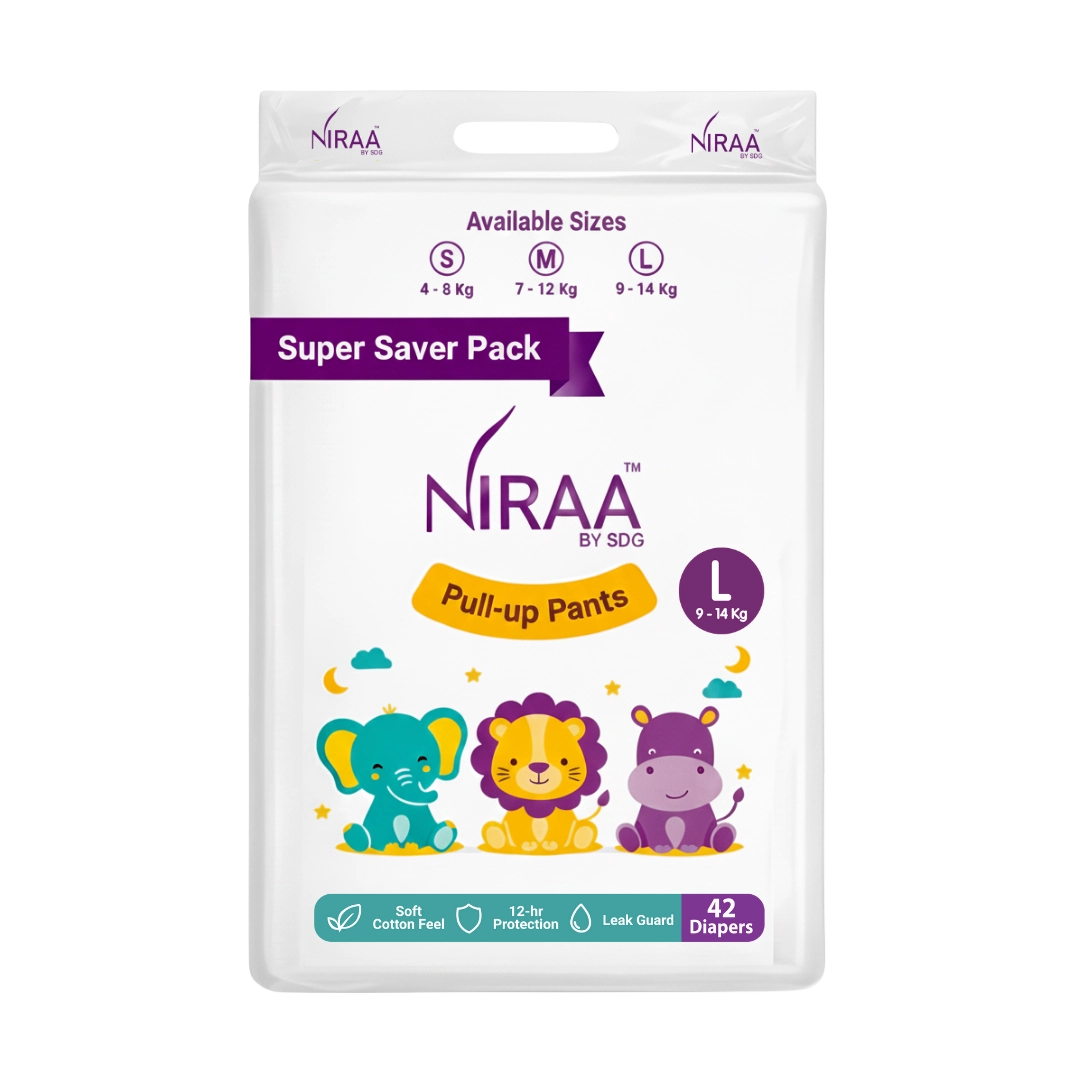
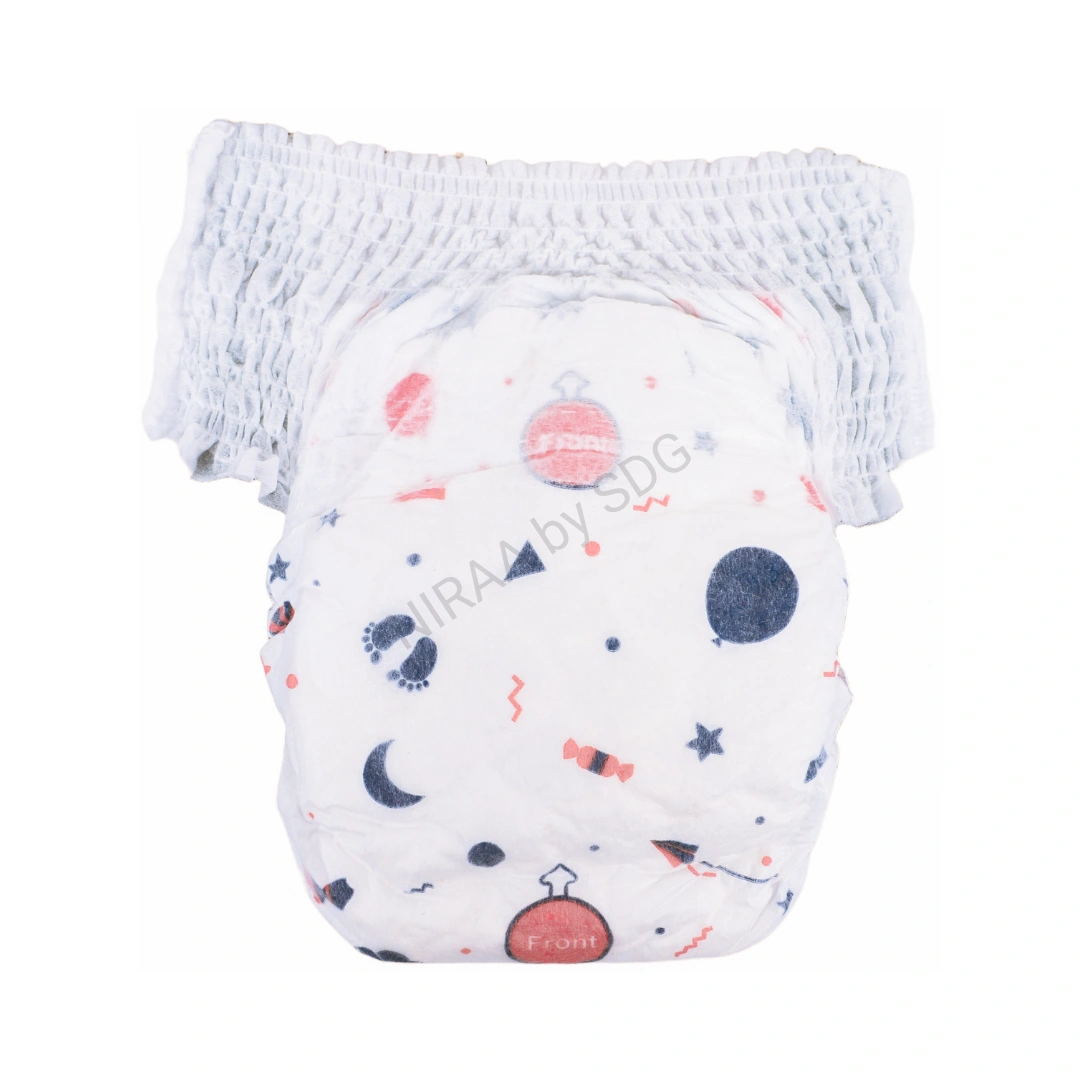
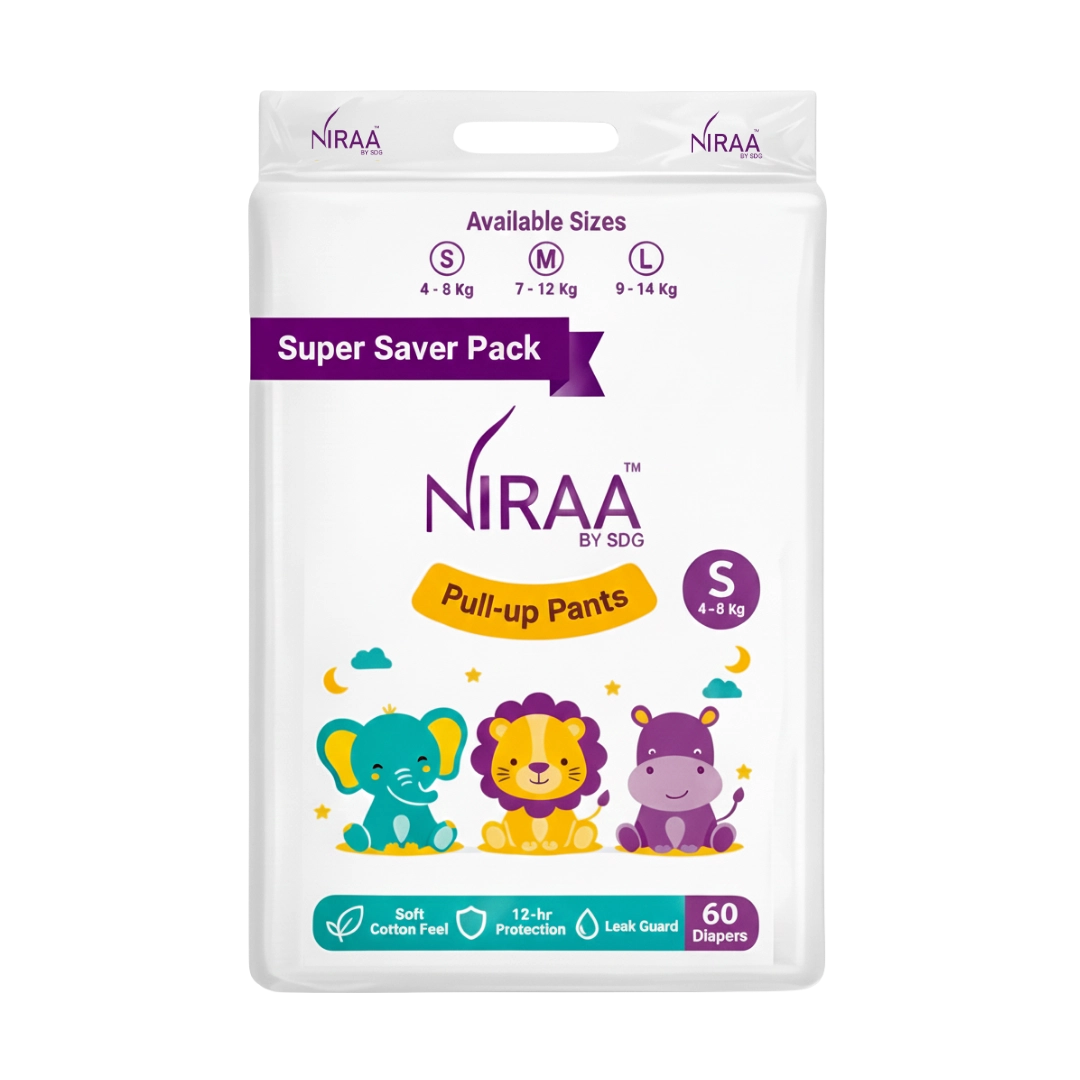
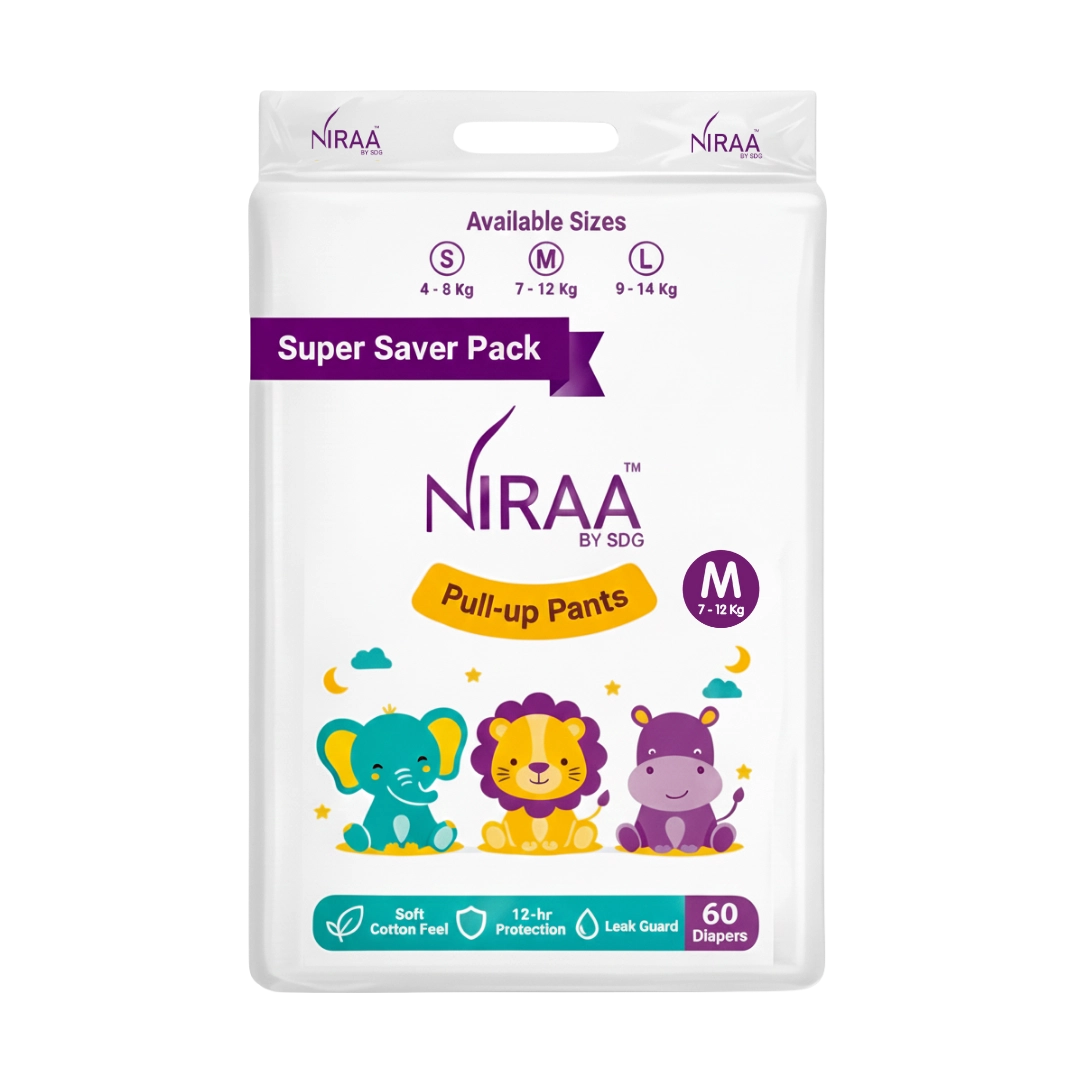
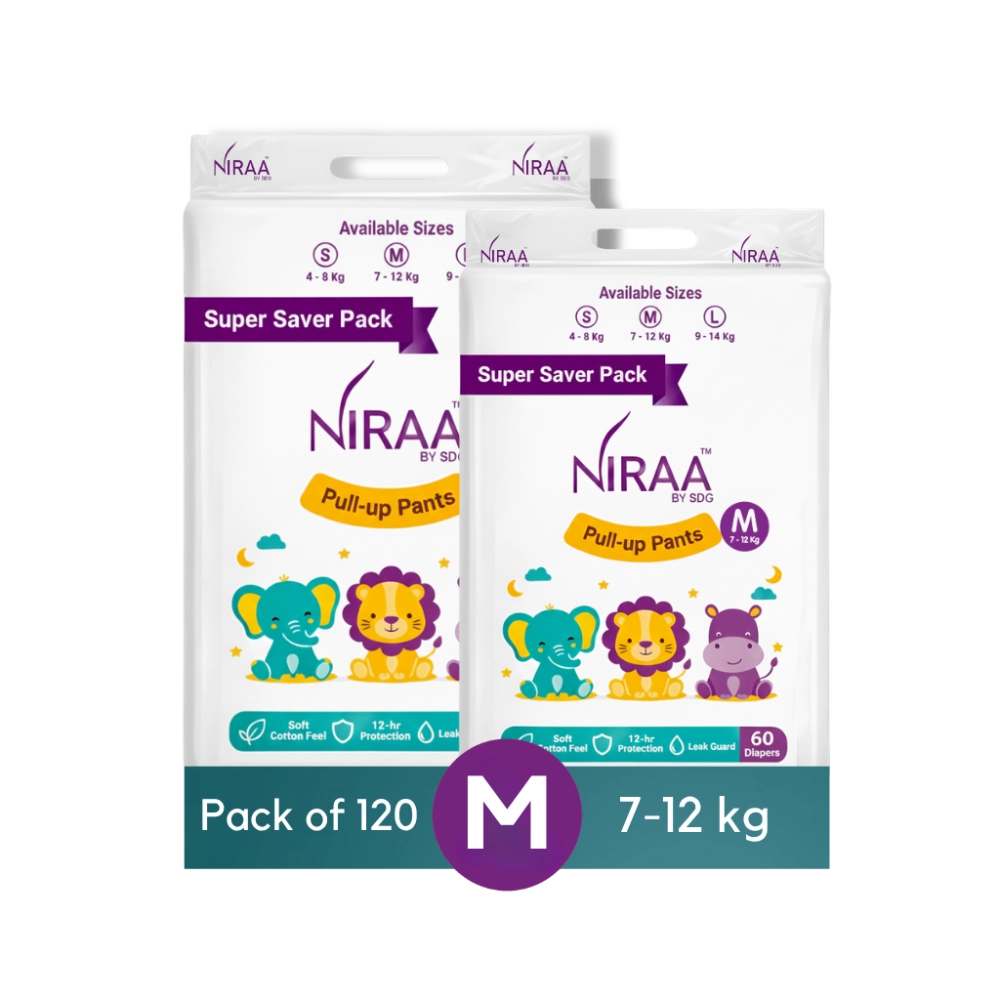
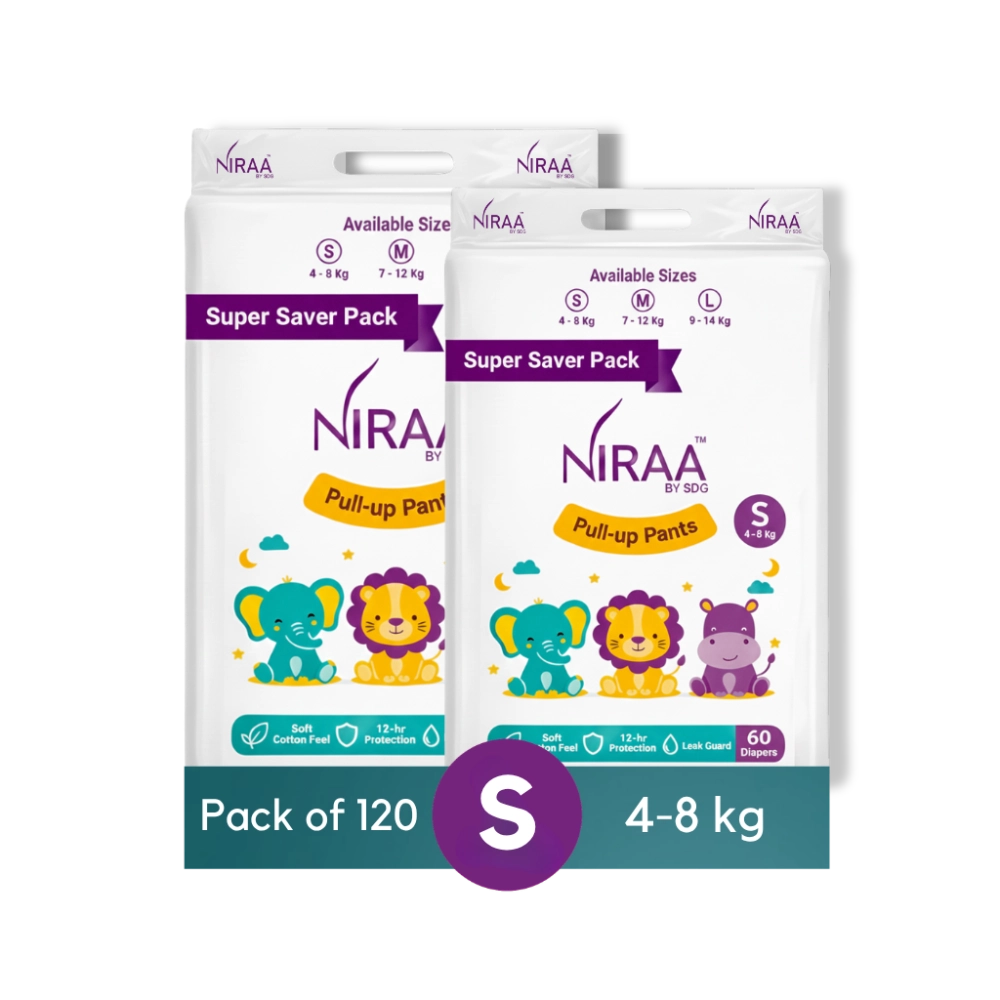
When selecting a diaper, look for features such as high absorbency, breathable materials, a soft inner layer, and a comfortable fit to help manage moisture and support your baby’s everyday comfort. Thoughtfully designed diapers like NIRAA By SDG combine these features to support parents through every season, helping babies stay comfortable while they explore, play, and grow.
Every baby is unique, and small changes to your diapering routine can make a meaningful difference during monsoons. By staying attentive to your baby’s skin and choosing diapers designed for comfort and effective moisture management, you can help support healthy skin throughout the changing seasons.