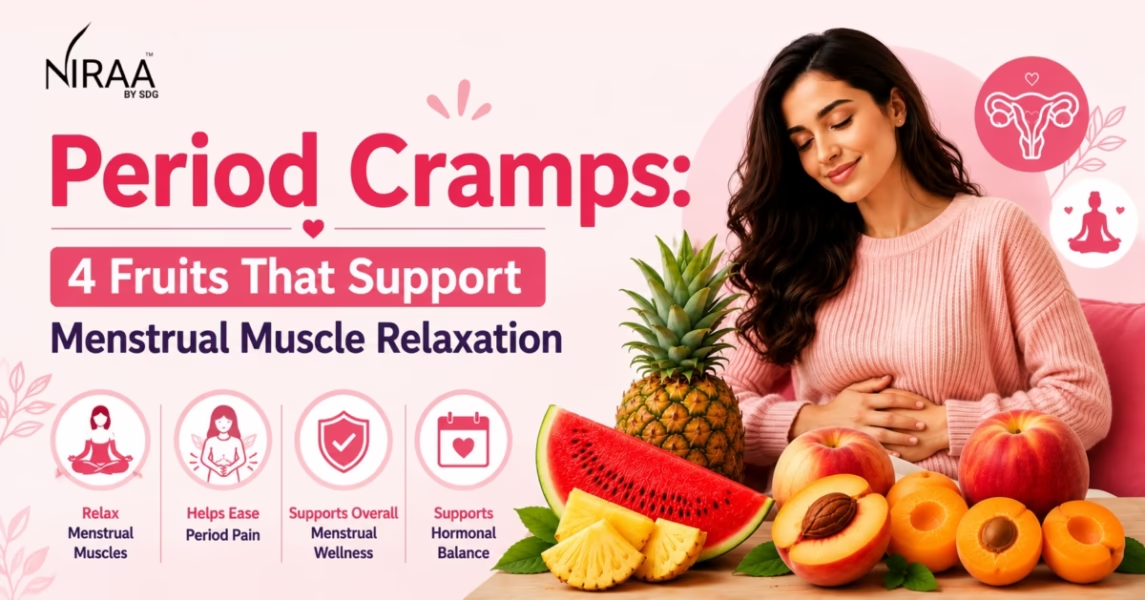
Period cramps are one of the most common concerns women experience during their menstrual cycle. Whether the discomfort is mild or intense, many women look for fruits for period cramps and other natural ways to complement their regular period care routine. While a balanced diet cannot replace medical treatment, certain foods can provide nutrients that support overall menstrual wellness and help the body function at its best during this time.
Most menstrual cramps are caused by Primary Dysmenorrhea, which refers to period pain that occurs without an underlying medical condition. During menstruation, the body produces hormone-like substances called prostaglandins, especially PGF2α, that trigger the uterus to contract and shed its lining. Higher levels of these prostaglandins can lead to stronger uterine contractions, reduced blood flow to the uterine muscles, and the cramping pain many women experience during their periods.
Managing period cramps often requires a combination of healthy habits rather than relying on a single solution. Along with doctor-recommended treatments, many women find comfort through staying hydrated, using heat therapy, getting adequate rest, and following a nutritious diet. Some fruits contain natural compounds that support hydration, healthy blood circulation, muscle function, and the body’s natural response to inflammation. In the following sections, we’ll explore four such fruits, the science behind their nutritional benefits, and how they can become part of a balanced approach to menstrual wellness.
Why Food Choices Matter for Period Pain
Many women wonder whether changing their diet can make a difference in managing period cramps. While fruits for period cramps and other nutritious foods won’t make cramps disappear, they give your body useful support during a demanding week. A balanced diet works best as part of a broader approach that includes proper hydration, regular physical activity, adequate sleep, and medical care when needed.
Certain fruits contain vitamins, minerals, antioxidants, and plant compounds that may help support the body’s natural response to inflammation, healthy muscle function, and blood circulation. Since menstrual cramps are linked to uterine muscle contractions, maintaining overall muscle health and staying well hydrated may help you feel more comfortable during your period. However, it’s important to remember that these foods are supportive rather than medicinal.
Hydration also plays an important role during menstruation. Drinking enough water and eating water-rich fruits can help maintain normal muscle function and support overall well-being. Combined with healthy lifestyle habits, these dietary choices may contribute to better menstrual comfort and energy levels throughout your cycle.
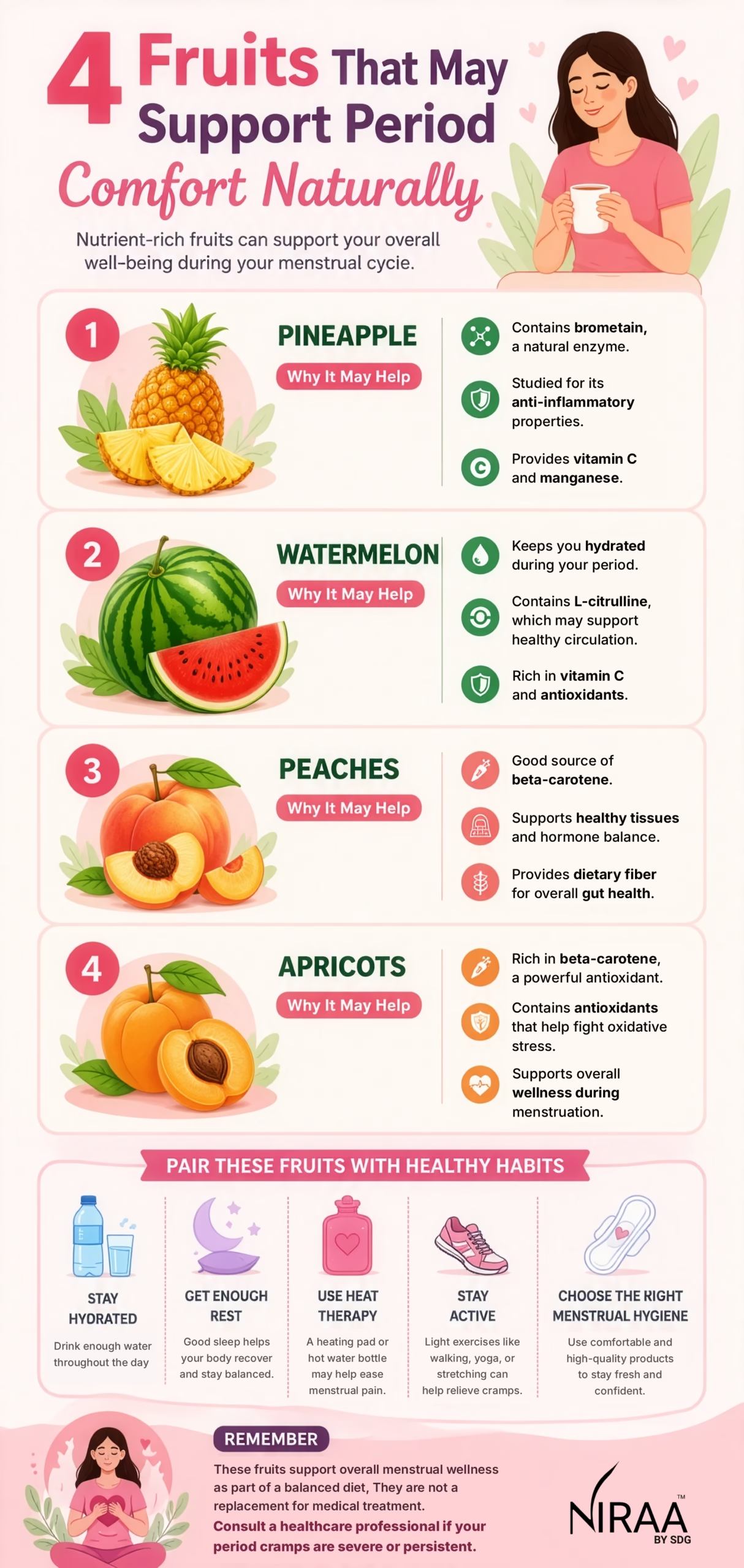
Based on their nutritional profile and potential role in supporting menstrual wellness, pineapple, watermelon, peaches, and apricots stand out as fruits that may help support period comfort when included as part of a balanced diet. Each fruit offers unique nutrients that contribute to hydration, healthy muscle function, blood circulation, or the body’s natural response to inflammation. The table below provides a quick overview of what each fruit has to offer.
| Fruits | Key Nutrient/Compound | Potential Benefit |
|---|---|---|
| Pineapple | Bromelain | Supports a healthy inflammatory response and muscle relaxation. |
| Watermelon | L-Citrulline | Supports healthy blood circulation and hydration. |
| Peaches & Apricots | Beta-Carotene & Antioxidants | Supports muscle health and overall menstrual wellness. |
Pineapple for Period Cramps: Can Bromelain Support Natural Relief?
Pineapple is often mentioned among the best fruits for period cramps because it contains bromelain, a natural enzyme found primarily in the fruit and stem. Researchers have studied bromelain for its anti-inflammatory properties and its potential to influence the body’s natural inflammatory response. While these findings are promising, most research has focused on bromelain extracts or supplements rather than fresh pineapple, and more clinical studies are needed to understand its specific role in relieving period cramps. Along with bromelain, pineapple also provides vitamin C, manganese, and antioxidants that support overall health.
The Science Behind Pineapple and Menstrual Muscles
Menstrual cramps are mainly caused by increased levels of prostaglandins, which trigger stronger uterine muscle contractions during menstruation. Researchers have explored whether bromelain may help support the body’s natural inflammatory response and influence pathways associated with discomfort. However, current evidence is limited, and science hasn’t confirmed that fresh pineapple eases cramps on its own. Think of it as a nutritious add-on to your diet, not a fix for period pain.
Fresh vs Cooked Pineapple: Which Is Better?
If you’re eating pineapple for its natural bromelain content, fresh pineapple is generally the better choice. Heat can reduce the activity of bromelain, meaning cooked or canned pineapple may contain less active enzyme. However, both fresh and cooked pineapple still provide beneficial nutrients, including vitamin C and manganese. Enjoying about one cup of fresh pineapple as a snack, in smoothies, or with yogurt can be a simple way to include it in a balanced diet.
Who Should Be Careful?
Pineapple is safe for most people when eaten in moderation, but it may not suit everyone. Its natural acidity can worsen symptoms in people with acid reflux or frequent heartburn, while some individuals may experience mouth irritation or allergic reactions. If you have digestive concerns, allergies, or any underlying health condition, consult your healthcare provider before making significant dietary changes.
Watermelon for Period Cramps: Hydration and Circulation Support
Watermelon is another fruit that may support menstrual wellness because of its high water content and naturally occurring nutrients. Staying hydrated is important during menstruation, as dehydration may contribute to fatigue and make discomfort feel more noticeable. Watermelon is also a source of L-citrulline, a naturally occurring amino acid that the body converts into L-arginine, which helps produce nitric oxide. Nitric oxide supports healthy blood vessel function and circulation, although more research is needed to understand whether these effects directly influence menstrual cramps.
How Watermelon Supports Menstrual Comfort
Besides helping maintain hydration, watermelon provides vitamin C, lycopene, and other antioxidants that support overall health. Watermelon hasn’t been clinically proven to relieve cramps, but hydrating fruits like this one are a smart addition to your period week regardless. Treat it as a refreshing habit, not a remedy.
Best Ways to Enjoy Watermelon
Fresh watermelon is the best way to enjoy its natural water content and nutrients. Eat it as a snack, add it to fruit salads, blend it into smoothies, or pair it with other fruits for a hydrating meal. Choosing fresh, minimally processed watermelon helps preserve its nutritional value without added sugars.
Who Should Be Careful?
Watermelon is safe for most people, but moderation is important. People with diabetes or those monitoring their carbohydrate intake should consider portion sizes, as watermelon contains natural sugars. If you have kidney disease or any medical condition requiring dietary restrictions, consult your healthcare provider before making significant changes to your diet.
Peaches & Apricots for Period Cramps: Nutrient-Rich Choices for Menstrual Wellness
Peaches and apricots are nutritious fruits that can be included in a balanced diet during menstruation. They provide beta-carotene, a precursor to vitamin A, along with vitamin C, dietary fiber, and antioxidants that support overall health. No study has linked peaches or apricots to cramp relief directly, but their nutrients still pull their weight for your body during this time.
How Peaches and Apricots May Support Menstrual Wellness
Beta-carotene is converted into vitamin A in the body, which plays an important role in immune function, cell growth, and maintaining healthy tissues. The fiber in peaches and apricots also supports healthy digestion, while their antioxidants help protect cells from oxidative stress. Although more research is needed to determine whether these fruits have a direct effect on menstrual discomfort, including a variety of nutrient-rich fruits in your diet can contribute to overall well-being throughout your cycle.
Fresh or Dried: Which Is Better?
Fresh peaches and apricots are naturally hydrating and lower in calories, making them a refreshing snack during menstruation. Dried apricots retain many nutrients, including fiber and beta-carotene, but they are more concentrated in natural sugars and calories. Choosing unsweetened dried varieties and enjoying them in moderation can help you gain their nutritional benefits as part of a balanced diet.
Who Should Be Careful?
Peaches and apricots are safe for most people, but individuals with stone fruit allergies should avoid them. If you choose dried apricots, be mindful of portion sizes because of their concentrated natural sugar content. As with any dietary change, consult your healthcare provider if you have specific medical conditions or dietary restrictions.
When Should You Eat Fruits for Period Cramps?
Including nutrient-rich fruits as part of a balanced diet throughout your menstrual cycle can support your overall health. While fruits alone cannot prevent or treat period cramps, eating them consistently may help you maintain good hydration and nutrient intake. Alongside medical care, healthy lifestyle habits, including a nutritious diet, are widely recommended as part of an overall approach to menstrual wellness.
Before Your Period
Eating a variety of fruits in the days leading up to your period can help you maintain hydration and provide essential vitamins, minerals, and antioxidants. Pairing fruits with a balanced diet, regular physical activity, and adequate sleep supports your body’s overall nutritional needs throughout the menstrual cycle.
During Your Period
Continue including fresh fruits such as pineapple, watermelon, peaches, and apricots during your period as part of your regular meals or snacks. Their water content and nutrients can contribute to a balanced diet, although they should not be considered a substitute for medical treatment or other evidence-based strategies for managing menstrual pain.
Can Eating Fruits Alone Relieve Period Cramps?
No. Fruit alone won’t stop cramps. But as part of a healthy routine, it plays a real supporting role in how you feel during your period. Pairing a balanced diet with good hydration, regular physical activity, heat therapy when needed, and adequate rest can help support menstrual comfort. If your cramps are severe, persistent, or interfere with daily activities, consult a healthcare professional for appropriate evaluation and treatment.
Build Your Personal Period Comfort Kit
Managing period discomfort often involves a combination of healthy habits rather than relying on a single solution. Building a simple period comfort kit can help you feel more prepared and supported throughout your menstrual cycle.
Consider including the following essentials:
- Fresh fruits: Keep pineapple, watermelon, peaches, or apricots on hand for nutritious snacks.
- Water bottle: Staying hydrated supports your overall well-being during your period.
- Heating pad or hot water bottle: Heat therapy may help relax the uterine muscles and ease menstrual discomfort.
- Comfortable clothing: Soft, breathable clothing can help you feel more at ease during your period.
- Menstrual hygiene products: Choose products that match your comfort, flow, and daily routine to stay fresh and confident.
- Pain relief (if recommended): Over-the-counter pain relievers may help manage menstrual cramps when used according to your healthcare provider’s advice or the product label.
Having these essentials ready can make it easier to manage your period comfortably while supporting your overall health and daily routine.
When Should You See a Doctor?
Mild to moderate period cramps are common and can often be managed with self-care, healthy lifestyle habits, and over-the-counter pain relief when appropriate. However, if your symptoms are severe or interfere with your daily life, it’s important to consult a healthcare professional.
Seek medical advice if you experience:
- Severe menstrual pain that does not improve with over-the-counter pain relievers.
- Cramps that suddenly become worse or feel different from your usual pattern.
- Heavy menstrual bleeding that soaks through one or more sanitary pads every hour for several hours.
- Pain that continues even after your period ends.
- Fever, unusual vaginal discharge, or severe pelvic pain along with cramps.
A healthcare provider can determine whether your symptoms are due to primary dysmenorrhea or an underlying condition, such as endometriosis or uterine fibroids, and recommend the most appropriate treatment.
Complete Your Period Care with NIRAA By SDG
Eating nutrient-rich fruits and maintaining healthy lifestyle habits can support your overall well-being during your menstrual cycle. Along with a balanced diet, choosing the right menstrual hygiene products is equally important for staying comfortable and confident throughout the day.
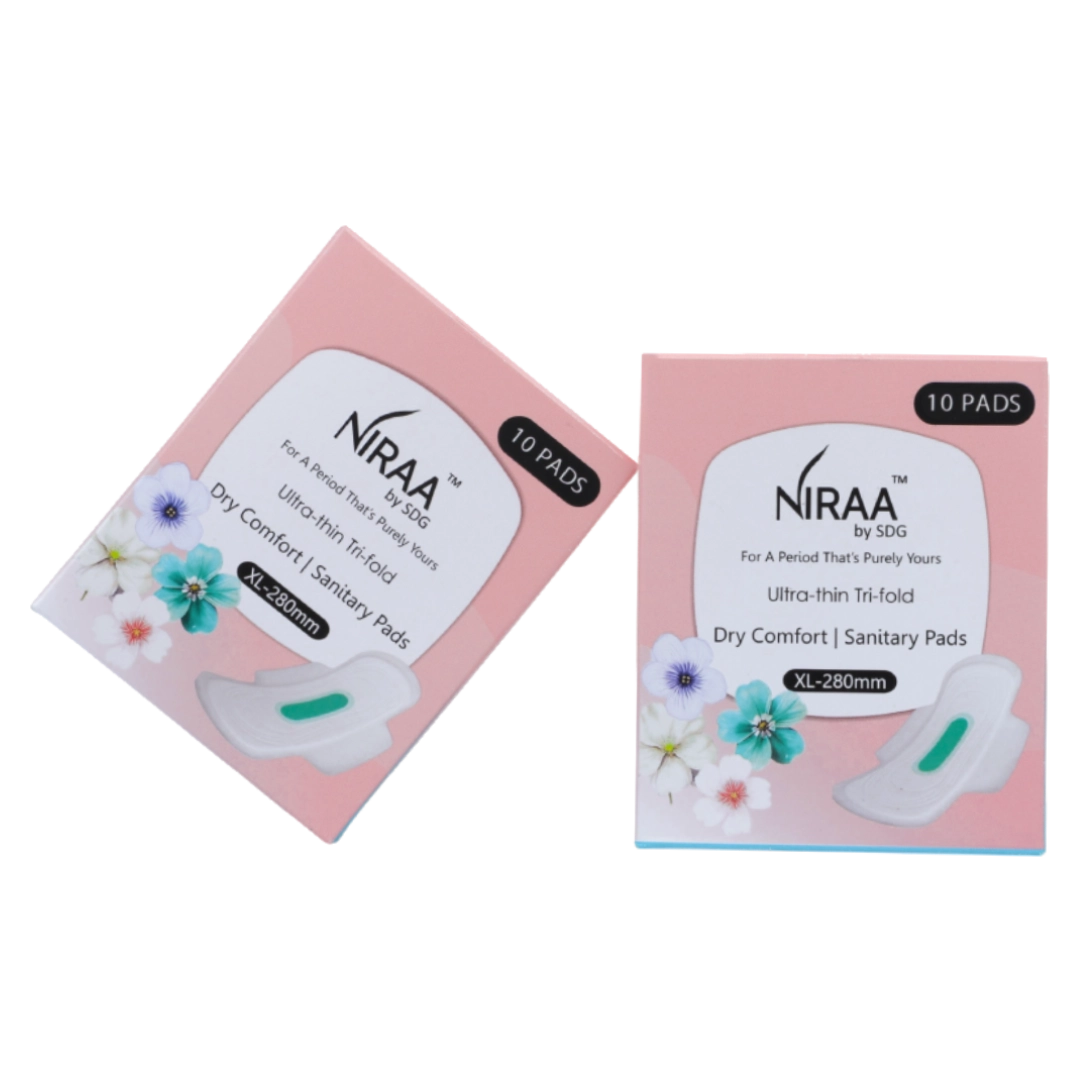
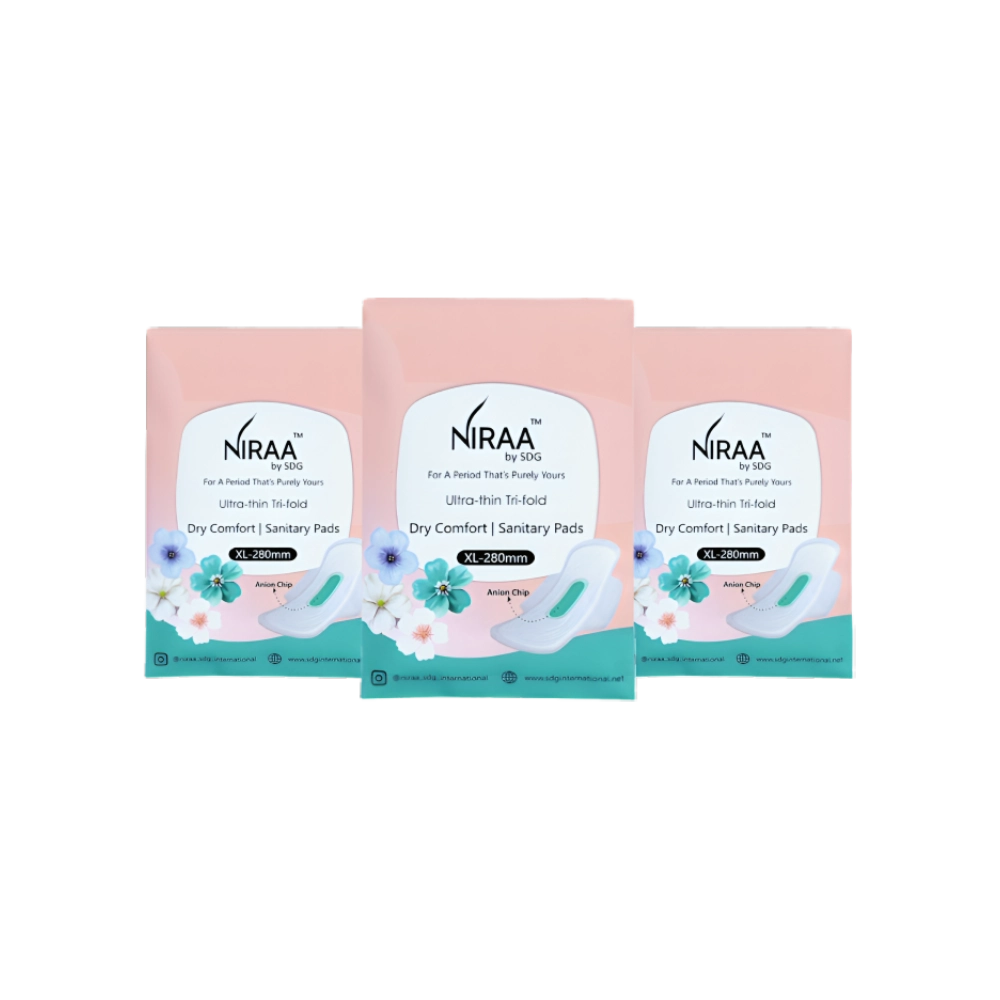
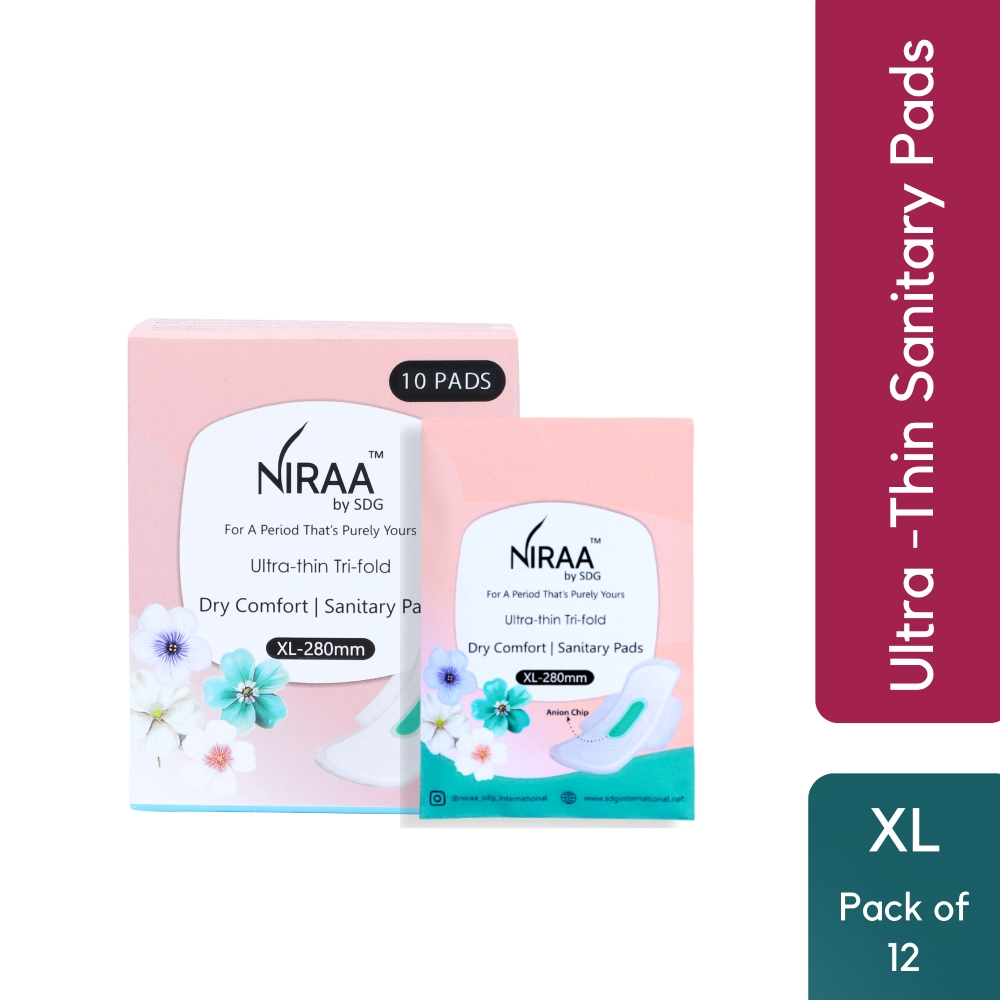
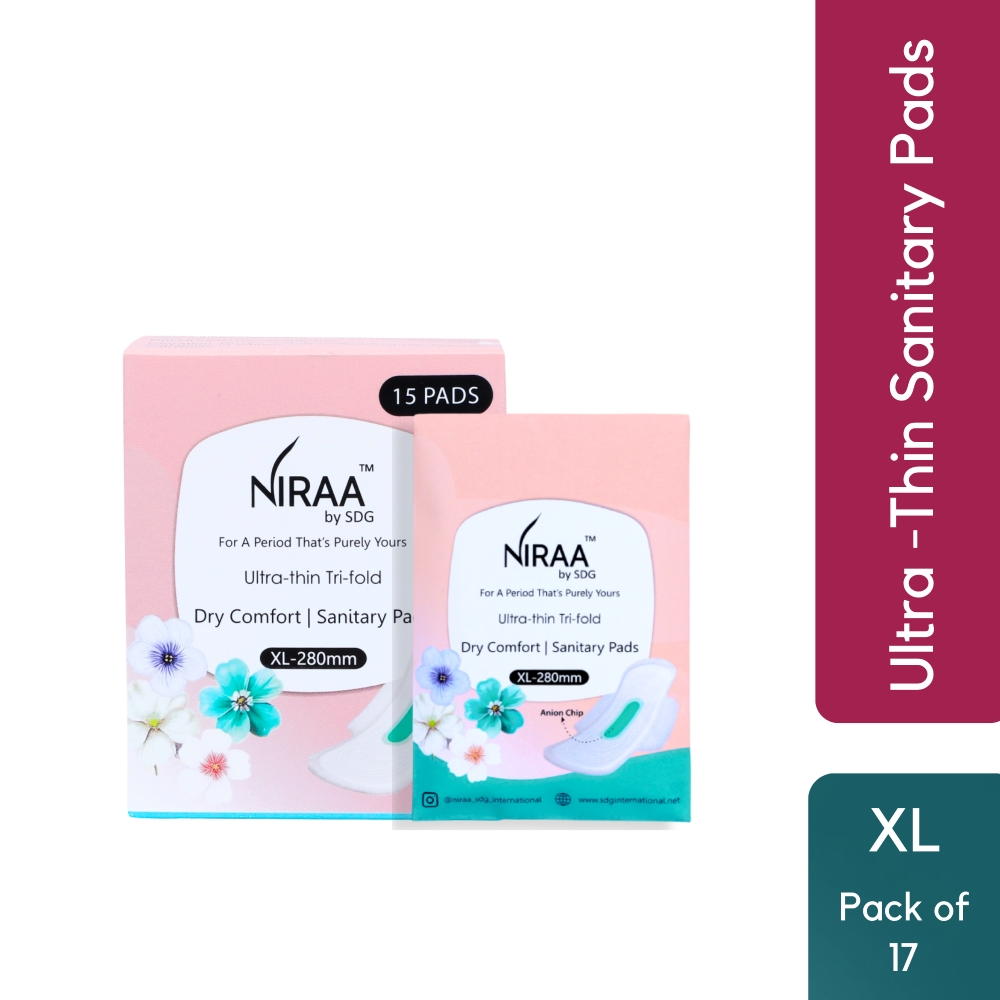
At NIRAA By SDG, we understand that every period is different. That’s why our range of sanitary pads is designed to provide reliable protection, comfort, and confidence for your everyday needs. Whether you’re at work, school, travelling, or relaxing at home, NIRAA sanitary pads help you stay fresh and focused on your daily routine.
Explore our range of sanitary pads to find the right fit for your flow and make your period care routine more comfortable.
Conclusion
No single fruit will cure your cramps. But pineapple, watermelon, peaches, and apricots earn their place in a period-friendly diet all the same. These fruits provide hydration, vitamins, antioxidants, and other beneficial nutrients that contribute to your overall well-being, even though more research is needed to confirm their direct effect on menstrual pain.
For better menstrual comfort, pair healthy eating with good hydration, regular physical activity, adequate rest, and the right menstrual hygiene products. If your period cramps become severe, persistent, or begin interfering with your daily life, don’t hesitate to consult a healthcare professional. Small, consistent lifestyle choices can make a meaningful difference in supporting your menstrual wellness.
Frequently Asked Questions (FAQs)
Which fruit is best for period cramps?
There isn’t a single fruit that is proven to relieve period cramps. However, fruits like pineapple, watermelon, peaches, and apricots provide hydration, vitamins, antioxidants, and other nutrients that support overall health during the menstrual cycle. They are best enjoyed as part of a balanced diet rather than as a treatment for menstrual pain.
Can eating pineapple reduce period cramps?
Pineapple contains bromelain, a natural enzyme that has been studied for its anti-inflammatory properties. However, most research has focused on bromelain supplements rather than fresh pineapple. More clinical studies are needed to confirm whether eating pineapple directly helps reduce period cramps.
Is watermelon good to eat during periods?
Yes. Watermelon is rich in water and provides vitamin C, antioxidants, and the naturally occurring amino acid L-citrulline. While it has not been proven to relieve menstrual cramps, it can help you stay hydrated and support your overall well-being during your period.
When should I eat fruits for period cramps?
It’s best to include nutrient-rich fruits throughout your menstrual cycle instead of eating them only when cramps begin. Maintaining a balanced diet, staying hydrated, and following healthy lifestyle habits can support your overall menstrual wellness.
Can fruits replace pain medicine for period cramps?
No. Fruits should not replace prescribed medications or over-the-counter pain relievers recommended by your healthcare provider. While they contribute to a healthy diet, there is currently no strong clinical evidence that eating specific fruits alone can relieve period cramps.
What other foods may support menstrual wellness?
Along with fruits, a balanced diet that includes vegetables, whole grains, legumes, nuts, seeds, and lean protein can help meet your body’s nutritional needs during menstruation. Drinking enough water and limiting highly processed foods may also support your overall well-being.
When should I see a doctor for period cramps?
If your period cramps are severe, become worse over time, don’t improve with self-care or pain relief, or interfere with your daily activities, consult a healthcare professional. They can determine whether an underlying condition requires further evaluation or treatment.