Your menstrual cycle is more than just the few days when you have your period. It is part of a complex process involving your brain, hormones, ovaries, and uterus, and changes in this pattern can sometimes provide useful clues about your overall health. This is why healthcare professionals and researchers are increasingly discussing the menstrual cycle as a fifth vital sign.
We are familiar with four vital signs: body temperature, heart rate, respiratory rate, and blood pressure. Your menstrual cycle can offer another valuable piece of information, particularly when you pay attention to patterns in cycle length, bleeding, pain, and other recurring symptoms.
That does not mean every change in your period signals a health problem. Menstrual cycles naturally vary from person to person and can also change over time. However, persistent or significant changes in your usual pattern should not be ignored. Learning what is typical for your body, tracking your cycle, and knowing when to seek professional advice can help you become more aware of your menstrual health.
Your period, in other words, can be more than something you simply manage each month. It can be a recurring signal that helps you understand what may be happening inside your body.
What Does “The Fifth Vital Sign” Mean?
Vital signs are measurements that help healthcare professionals understand how the body is functioning and identify changes that may need further attention. While traditional vital signs such as body temperature, heart rate, respiratory rate, and blood pressure provide information at a particular point in time, the menstrual cycle offers something different: a pattern that can be observed over weeks and months.
By paying attention to changes in cycle length, regularity, bleeding, pain, and other recurring symptoms, the menstrual cycle can provide useful information about reproductive and overall health. This is why it is increasingly being recognised as a valuable health indicator and is often referred to as the fifth vital sign.
What Are the Four Traditional Vital Signs?
When you visit a doctor or healthcare professional, a few basic measurements are often checked to understand how your body is functioning. These are commonly known as the four traditional vital signs:
- Body temperature: Helps identify changes in the body’s normal temperature.
- Heart rate: Measures how many times your heart beats per minute.
- Respiratory rate: Measures how many breaths you take in a minute.
- Blood pressure: Measures the force of blood against the walls of your arteries.
Together, these measurements can provide important information about your body’s current condition.
What Makes the Menstrual Cycle a Useful Health Indicator?
Your menstrual cycle is influenced by several systems in your body working together. The brain communicates with hormones, which influence the ovaries and uterus throughout the cycle. Changes in stress, nutrition, exercise, sleep, hormones, and overall health can sometimes affect this process.
This is why paying attention to your menstrual pattern can be helpful. A change does not always mean that something is wrong, but understanding what is typical for your body can make it easier to notice when something feels different.
Your menstrual cycle is not just about when your period begins and ends. It is an ongoing pattern that can provide another way to understand your body and your health.
Understanding Your Menstrual Cycle
Your menstrual cycle is a continuous process that prepares your body for a possible pregnancy. It is guided by changing hormone levels and involves the ovaries and uterus working together throughout the month. While cycle length and the timing of different phases can vary from person to person, understanding the basic stages can make it easier to recognise your own menstrual patterns.
Menstruation
Menstruation is the phase most people know as their period. Day 1 of your menstrual cycle is the first day of menstrual bleeding. During this time, the uterus sheds its lining, which was built up during the previous cycle. Estrogen and progesterone levels are relatively low at the beginning of this phase.
Follicular Phase
The follicular phase begins on the first day of menstruation and continues until ovulation. During this phase, follicles in the ovaries begin to develop, and one may eventually release an egg. Estrogen levels gradually rise as the cycle progresses, helping prepare the body for the next stage.
Ovulation
Ovulation is when an egg is released from an ovary. It is an important part of reproductive function, but the exact timing of ovulation can vary between individuals and even from one cycle to another. This is one reason why not every menstrual cycle follows the same day-by-day pattern.
Luteal Phase
The luteal phase begins after ovulation. During this stage, progesterone levels rise as the body prepares for a possible pregnancy. If pregnancy does not occur, hormone levels eventually fall, which triggers the shedding of the uterine lining and the beginning of the next menstrual period.
Understanding these phases provides helpful context, but your menstrual cycle is more than a sequence of stages. The timing, regularity, bleeding patterns, and symptoms you experience can also provide valuable information about your menstrual and overall health.
What Can Your Menstrual Cycle Tell You About Your Health?
Your menstrual cycle is not just defined by when your period starts. Changes in cycle timing, bleeding patterns, pain, and other symptoms can provide useful information about your menstrual and overall health. While an occasional change is not always a cause for concern, paying attention to patterns over several cycles can help you understand what is typical for your body and recognise when something has changed.
Cycle Length and Regularity
Cycle length refers to the number of days from the first day of one period to the first day of the next. For many adults, a cycle length of approximately 24 to 38 days can fall within the typical range.
Regularity is also important. Your periods do not need to arrive on the exact same day every month, but it can be helpful to notice whether your cycle has become consistently shorter, longer, or more unpredictable than usual. A persistent change in your regular pattern may be worth discussing with a healthcare professional.
Period Duration and Flow
The duration and flow of your period can also provide useful information. Paying attention to how many days you bleed and whether your flow has changed over time can help you recognise your usual pattern.
A period that suddenly becomes much heavier, lasts noticeably longer, or changes significantly from your normal experience may be worth paying attention to. Similarly, a consistently lighter or shorter period can also be a change worth noting, particularly when it occurs alongside other changes in your cycle.
Period Pain and Other Symptoms
Menstrual symptoms can vary widely from person to person. Some people experience mild cramps, while others may notice headaches, fatigue, digestive changes, mood changes, or pelvic discomfort during different parts of their cycle.
The important thing is to consider symptoms in context and over time. Occasional discomfort can be a common part of menstruation, but pain that repeatedly interferes with work, school, exercise, sleep, or daily activities should not simply be dismissed as something you have to live with.
Missed or Irregular Periods
A menstrual cycle may sometimes arrive earlier or later than expected, and an occasional change does not automatically mean that there is a health problem. However, consistently unpredictable cycles, long gaps
between periods, or periods that stop unexpectedly are changes worth noticing.
Menstrual irregularities can have many possible causes, including changes in stress, nutrition, physical activity, hormones, and overall health. Tracking these changes can help you identify patterns over time.
For a closer look at what may be behind these changes, let’s explore some of the factors that can influence your menstrual cycle.
What Changes in Your Cycle May Be Trying to Tell You
Your menstrual cycle can be influenced by many factors, including changes in your daily routine, physical health, emotional wellbeing, and hormonal function. This does not mean that every change points to a medical condition. However, when changes continue over several cycles or feel significantly different from what is usual for you, they can be useful signals to pay attention to.
Stress and Your Menstrual Cycle
Significant or prolonged stress can influence the hormonal signals involved in the menstrual cycle. When the body is under ongoing physical or emotional stress, changes in the communication between the brain and reproductive system may affect when a period arrives or how regularly the cycle occurs.
However, stress should not automatically be assumed to be the reason behind every late or irregular period. If changes continue, tracking your cycle and considering other symptoms can help provide a clearer picture of what may be affecting your menstrual health.
Nutrition and Energy Availability
Your body needs sufficient energy to support its everyday functions, including reproductive processes. Major changes in eating habits or consistently not consuming enough energy to meet your body’s needs may influence menstrual function.
Menstrual changes can sometimes be a sign that the body is experiencing low energy availability. This can occur when energy intake does not adequately support the body’s daily needs and level of physical activity. Rather than focusing on restrictive eating or trying to achieve a “perfect” diet, supporting your body with consistent and adequate nutrition is important for overall health.
Exercise and Recovery
Regular physical activity can support overall wellbeing, but very high training demands combined with insufficient energy intake and recovery can affect menstrual function. Missing periods or experiencing cycle changes should not automatically be considered a sign that you are becoming fitter or training successfully.
If your exercise routine has become significantly more demanding and your menstrual cycle changes at the same time, it may be worth paying attention to the pattern and discussing persistent changes with a healthcare professional.
Sleep and Lifestyle Changes
Major changes in sleep patterns, work schedules, travel, or daily routines can sometimes coincide with changes in the menstrual cycle. Since the body responds to many physical and environmental influences at the same time, it can be difficult to identify one single reason for a change.
Tracking your cycle alongside changes in sleep, stress, activity, and daily routines can help you identify patterns over time and understand what might be driving them.
Hormonal and Reproductive Health
Persistent changes in menstrual patterns can sometimes be associated with hormonal or reproductive health conditions. According to PubMed, conditions such as PCOS and thyroid disorders, endometriosis, and ovulatory disorders may affect cycle timing, bleeding patterns, or menstrual symptoms.
However, a change in your period alone cannot diagnose any of these conditions. Looking at your menstrual pattern alongside other symptoms and your overall health can help healthcare professionals determine whether further evaluation is needed.
Your menstrual cycle can provide useful signals, but it is only one part of the bigger picture. If a change continues for more than a cycle or two, it is worth flagging at your next check-up.
Is Your Menstrual Cycle Normal? What to Look For
There is no single menstrual pattern that is considered perfect for everyone. Cycle length, bleeding, and symptoms can vary from person to person and may also change at different stages of life. Instead of comparing your cycle with someone else’s, it is more useful to understand what is generally considered typical and to pay attention to what is normal for your own body.
A Typical Cycle at a Glance
According to PubMed, a typical menstrual cycle falls between 24 and 38 days, with bleeding lasting up to 8 days. The following general reference points can help you understand menstrual patterns; however, they should not be treated as a pass-or-fail test for your health.
| What to Observe | General Reference |
|---|---|
| Cycle length | Approximately 24 to 38 days |
| Bleeding duration | Up to 8 days |
| Cycle regularity | Some variation between cycles can be normal |
| Symptoms | Experiences can vary from person to person |
These reference points are useful for understanding general menstrual health, but your individual pattern also matters. An occasional early or late period, for example, does not necessarily mean that something is wrong. Persistent changes from your usual pattern are often more important to notice.
Why a 28-Day Cycle Isn’t the Only Healthy Cycle
A 28-day menstrual cycle is often used as an example when explaining how the menstrual cycle works, but it is not a requirement for a healthy cycle. Many people naturally have cycles that are shorter or longer than 28 days while still falling within the typical range.
Ovulation and the length of different phases can also vary between individuals and from one cycle to another. This is why expecting your period to arrive on exactly the same day every month can create unnecessary concern.
Rather than focusing on achieving a perfect 28-day cycle, it is more helpful to understand your usual pattern. Knowing how long your cycles typically last, how your period usually feels, and whether there are persistent changes can give you a clearer picture of your menstrual health.
When Menstrual Changes Should Not Be Ignored
Not every change needs a second thought, but some are worth flagging. The list below covers the specific signs that are generally worth discussing with a healthcare professional, rather than waiting to see if they resolve on their own.
Signs Worth Discussing With a Healthcare Professional
- Periods that become repeatedly irregular or unpredictable
- Periods that are consistently very different from your usual pattern
- Unexpectedly missed periods
- Very heavy menstrual bleeding
- Bleeding that lasts noticeably longer than usual
- Bleeding between periods
- Severe or worsening period pain
- Pain that regularly interferes with work, school, exercise, sleep, or everyday activities
- Sudden and persistent changes in your menstrual cycle
Keeping track of your cycle, bleeding patterns, and symptoms can also help you describe these changes more clearly during a healthcare appointment.
Common Does Not Always Mean Normal
Many menstrual symptoms are common, but common does not mean you should ignore symptoms that are severe, persistent, or affecting your quality of life.
Please note: This article is intended for general educational purposes and should not be used to diagnose a health condition. A healthcare professional can provide guidance based on your individual symptoms, medical history, and overall health.
How to Track Your Menstrual Cycle as a Vital Sign
Tracking your menstrual cycle can help you understand what is typical for your body and notice meaningful changes over time. You do not need to record every small detail or follow a complicated system. Simply keeping track of a few key patterns can help you build a clearer picture of your menstrual health.
What Should You Track?
You can start by recording the following details:
- First day of bleeding: The first day of your period is considered Day 1 of your menstrual cycle.
- Last day of bleeding: Note when your period ends to understand your usual bleeding duration.
- Cycle length: Track the number of days from the first day of one period to the first day of the next.
- Flow: Notice whether your flow is light, moderate, or heavy and whether it changes from your usual pattern.
- Pain: Record cramps, pelvic pain, or other discomfort and how much it affects your daily activities.
- Spotting: Note any unexpected bleeding or spotting between periods.
- Mood: Pay attention to recurring emotional changes that appear at certain times in your cycle.
- Energy: Notice whether you experience unusual tiredness or changes in your energy levels.
- Sleep: Track significant changes in your sleep pattern or sleep quality.
- Headaches or migraines: Note if they occur regularly around particular times in your cycle.
- Digestive symptoms: Keep track of recurring bloating, nausea, or other digestive changes.
- Other recurring symptoms: Record anything else that appears consistently and feels connected to your menstrual pattern.
You do not have to experience or track every symptom on this list. The goal is to identify the patterns that are most relevant to your own body.
Why Tracking for Several Cycles Matters
One unusual cycle may not tell the whole story. Your period can occasionally arrive earlier or later than expected, and temporary changes can happen for many reasons.
Tracking your cycle over several months can make it easier to recognise patterns in cycle timing, flow, pain, and other symptoms. It can also help you notice whether a change was temporary or whether it has continued over time.
Having this information available can also make conversations with a healthcare professional easier. Instead of trying to remember exactly when a change started or how often it occurred, you can refer to the patterns you have recorded.
You Don’t Need Complicated Technology
You do not need a specialised device or complicated technology to track your menstrual cycle. A simple calendar, notebook, phone notes, or period-tracking app can all help you record your pattern.
The most important thing is consistency. Choose a method that feels easy for you to use and update regularly. Over time, even simple tracking can help you better understand your menstrual cycle and recognise changes that may deserve attention.
Your Menstrual Cycle Is More Than Your Period
Your menstrual cycle is often discussed mainly in terms of periods, but it reflects a much broader process taking place in the body. The hormonal changes that support the menstrual cycle involve communication between the brain, ovaries, and other body systems. This is one reason why changes in menstrual patterns can sometimes provide useful information about both reproductive and overall health.
Menstrual Health and Reproductive Health
A regular menstrual cycle can provide important information about reproductive function, including the hormonal processes involved in ovulation and menstruation. Changes in cycle timing, missed periods, unusual bleeding, or persistent pain can sometimes be associated with reproductive or hormonal health concerns.
However, menstrual health is not only about fertility or the ability to become pregnant. Every person deserves to understand their menstrual patterns and seek appropriate support when changes or symptoms affect their wellbeing.
Menstrual Health and Whole-Body Health
The menstrual cycle is also connected with wider aspects of health. According to PubMed, research has explored associations between menstrual characteristics and areas such as bone health, metabolic health, cardiovascular health, and overall wellbeing.
This does not mean that one change in your menstrual cycle can predict a specific health condition. Instead, your cycle should be viewed as one piece of a larger health picture. Factors such as stress, nutrition, sleep, physical activity, hormonal health, and underlying medical conditions can all interact with menstrual function.
By paying attention to your menstrual cycle alongside other aspects of your health, you can develop a better understanding of your body’s patterns.
Supporting Your Menstrual Health Every Month
Understanding your cycle is only half the picture. The other half is how you care for your body through it each month, which is where everyday habits and the right period-care choices come in.
Supporting your menstrual health does not mean trying to achieve a perfect cycle every month. Your cycle can naturally vary, and there is no single routine that works for everyone. Instead, small and consistent habits that support your overall wellbeing can also help you stay more connected to your body’s needs.
As discussed earlier, factors such as nutrition, adequate energy, sleep, physical activity, stress, and recovery can all influence menstrual health. Paying attention to these areas and noticing how your body responds can help you better understand your individual menstrual pattern.
Choosing the Right Period Care for Your Flow and Lifestyle
Every menstrual cycle can feel different, and your period-care needs may change depending on your flow, daily routine, and level of activity. Choosing a menstrual product is not only about managing bleeding. Comfort, absorbency, fit, and how confidently you can move through your day also matter.
The right choice for you may depend on how your flow changes throughout your period and whether you are at work, travelling, resting at home, exercising, or sleeping. Understanding your individual needs can make period care feel more comfortable and manageable.
Why Comfort Matters During Your Period
You may wear a menstrual product for several hours during the day, so comfort can make a meaningful difference to your overall period experience. A product that feels suitable for your body and daily routine can help you stay focused on your activities without constantly worrying about discomfort.
When choosing period care, you may want to consider factors such as absorbency, thickness, fit, comfort, and how the product feels during movement. Personal preferences can also vary, so what works well for one person may not always be the best choice for another.
Different Flow, Different Needs
Your menstrual flow may not remain the same throughout your period. Some days may be lighter, while others may require greater absorbency. Your needs can also change depending on whether you are looking for period care for daytime, overnight use, travel, work, or physical activity.
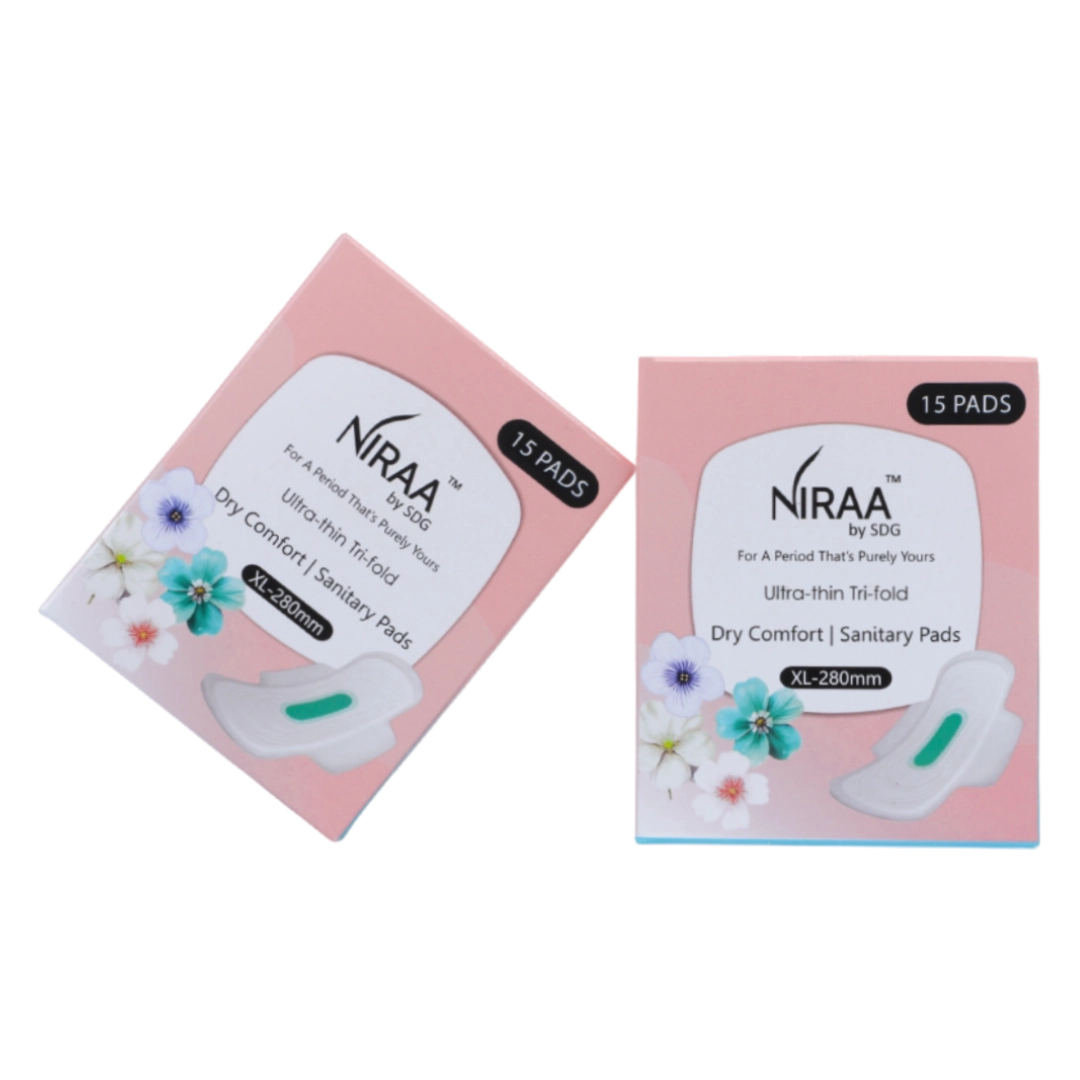
Choosing a product based on your flow and lifestyle can help you feel more prepared and comfortable throughout your cycle. For example, you may prefer different types of sanitary pads depending on whether you want a lighter, slimmer option or greater coverage and absorbency.
Understanding the differences between pad options can also make choosing the right product easier. You can explore our guide on Ultra-Thin vs Regular Sanitary Pads to better understand which option may suit your period needs and daily routine.
Menstrual Cycle as a Vital Sign: What to Remember
Your menstrual cycle is more than a monthly event. The timing of your periods, changes in your flow, the duration of bleeding, and the symptoms you experience can all provide useful information about your menstrual health.
There is no single “perfect” menstrual cycle that applies to everyone. Rather than comparing your cycle with a standard pattern or someone else’s experience, it is more helpful to understand what is typical for your own body.
Here are the key things to remember:
- Your menstrual cycle can provide useful information about your overall health.
- A 28-day cycle is not the only healthy menstrual pattern.
- Tracking your cycle can help you recognise changes in timing, flow, pain, and other symptoms.
- One unusual period does not always mean something is wrong, but persistent changes deserve attention.
- Pain, heavy bleeding, or other symptoms that regularly affect your daily life should not simply be ignored.
- Your menstrual cycle is one part of your overall health picture, alongside other factors such as sleep, nutrition, activity, stress, and hormonal health.
- Comfortable and suitable period care is also an important part of supporting your menstrual wellbeing.
The more familiar you become with your own menstrual pattern, the easier it can be to notice meaningful changes. Knowing your cycle, listening to your body, and seeking professional guidance when something feels persistently different can help you take a more informed approach to your menstrual health.
Frequently Asked Questions
Why is the menstrual cycle called the fifth vital sign?
The menstrual cycle is often described as a fifth vital sign because changes in cycle length, regularity, bleeding, pain, and other symptoms can provide useful information about menstrual and overall health. Unlike traditional vital signs, which are measured at a particular moment, the menstrual cycle provides a pattern that can be observed over time.
What does your menstrual cycle tell you about your health?
Your menstrual cycle can provide useful clues about how your body is functioning. Changes in cycle timing, flow, bleeding duration, pain, or other recurring symptoms may sometimes be influenced by factors such as stress, nutrition, physical activity, sleep, hormonal changes, or underlying health conditions.
However, one unusual cycle does not necessarily indicate a health problem. Looking at patterns over several cycles can provide more useful information.
What is considered a normal menstrual cycle?
For many adults, a cycle length of approximately 24 to 38 days and bleeding for up to 8 days can fall within general clinical reference ranges.
Individual patterns can vary, so it is also important to understand what is typical for your own body and pay attention to persistent changes.
Is a 28-day cycle the only healthy cycle?
No. A 28-day cycle is often used as an example when explaining the menstrual cycle, but it is not the only healthy pattern. Many people naturally have cycles that are shorter or longer than 28 days.
Instead of focusing on achieving an exact 28-day cycle, it can be more helpful to track your usual pattern and notice meaningful or persistent changes.
What does an irregular period mean?
An irregular period can involve changes in the timing or predictability of your menstrual cycle. Your period may arrive earlier or later than expected, or the time between periods may vary significantly.
Occasional changes can happen for many reasons and do not always indicate a health problem. However, consistently irregular cycles, long gaps between periods, or persistent changes from your usual pattern may be worth discussing with a healthcare professional.
When should I see a doctor about my period?
Consider speaking with a healthcare professional if you experience persistent changes in your usual cycle, very heavy bleeding, bleeding between periods, unexpectedly missed periods, severe or worsening pain, or symptoms that regularly interfere with your daily life.
Tracking your cycle and symptoms can help you provide useful information during your healthcare appointment.
How can I track my menstrual cycle?
You can track your menstrual cycle using a calendar, notebook, phone notes, or a period-tracking app. Start by recording the first and last day of your period, cycle length, flow, pain, spotting, and any other recurring symptoms.
The goal is not to track every detail perfectly. Consistently recording the patterns most relevant to your body can help you better understand your menstrual health and notice meaningful changes over time.