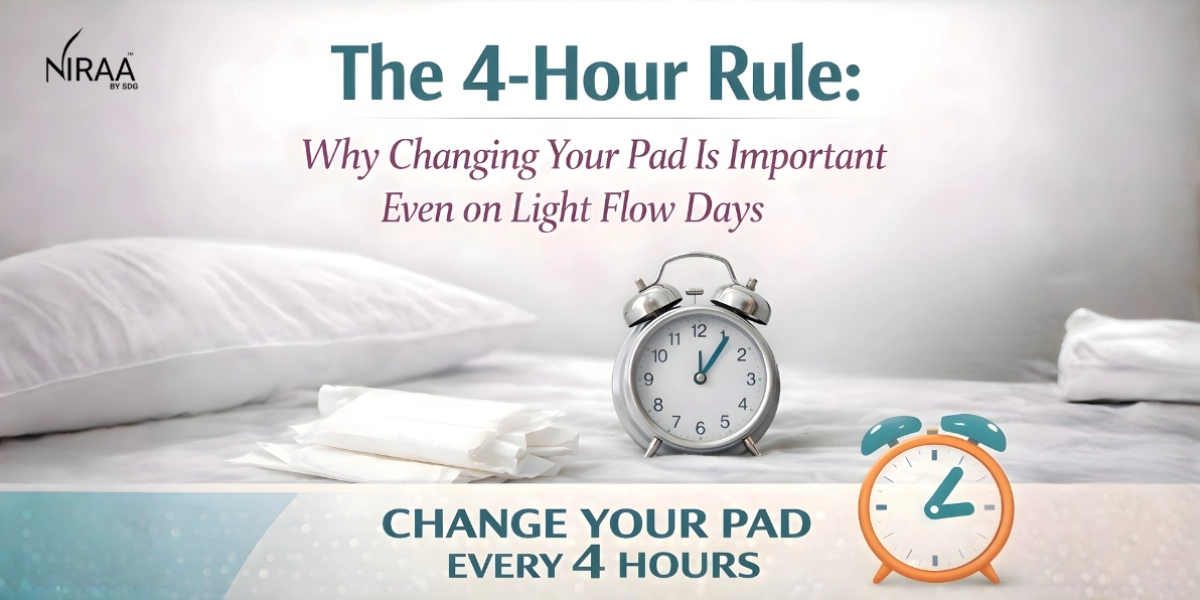
Many women believe a sanitary pad only needs to be changed when it feels fully soaked. But how long can you safely wear a pad especially on light flow days?
Gynecologists recommend following the 4-hour rule for sanitary pads, even when bleeding appears minimal. Changing your pad every 3–4 hours helps maintain dryness, protect sensitive skin, and reduce the risk of irritation or infection.
In India, menstrual hygiene awareness has improved under initiatives such as the National Health Mission (NHM). While access to sanitary products has increased, correct usage habits including pad-changing frequency still need attention.
Period care is not only about absorbency. It is equally about managing moisture retention, protecting delicate skin, and maintaining microbial balance. When a used pad remains in contact with the body for extended hours, warmth and sustained damp contact may disturb the natural balance of the vaginal environment.
Many gynecologists recommend following a structured pad-changing schedule during menstruation rather than relying only on visible saturation.
This is where the 4-hour rule in women’s hygiene becomes important. Changing your pad at regular intervals, even during light flow, is a preventive habit that supports comfort, hygiene, and overall vaginal health.
A small routine adjustment can make a meaningful difference in how fresh, confident, and protected you feel throughout your period.
What Is the 4-Hour Rule for Sanitary Pads?
The 4-hour rule is a practical hygiene recommendation that suggests changing a sanitary pad every three to four hours, regardless of flow intensity. This guideline focuses on protecting intimate health rather than simply managing absorbency.
Many women assume a pad only needs to be changed when it feels saturated. However, a used pad absorbs more than menstrual blood. It also retains vaginal discharge and sweat, which can create moisture even when bleeding is light.
Many gynecologists recommend replacing sanitary pads every 3–4 hours to reduce prolonged moisture exposure. Changing earlier, especially during active hours, helps maintain dryness and reduce unnecessary irritation.
The purpose of this rule is preventive. Regular pad changes support skin comfort, help maintain a natural pH balance, and reduce conditions that allow bacterial growth.It is a simple habit that prioritizes health over convenience.
Medical Basis Behind the 4-Hour Recommendation
To understand why this rule matters, it helps to consider what happens biologically during menstruation. This guideline is grounded in basic biological principles. It also answers a common question: how often should you change your pad during periods?
Warmth and retained moisture create an environment where naturally occurring bacteria can multiply more actively. A used pad holds moisture close to the skin, and prolonged exposure to dampness can disturb the delicate balance of the vaginal area.
Wearing the same pad for extended hours may contribute to:
- Increased bacterial activity
- Disruption of natural vaginal pH
- Skin irritation or inflammation
- Odor caused by microbial breakdown of blood components
Medical professionals recommend maintaining timely pad renewal during menstruation. While the exact interval may vary depending on individual flow and activity level, prolonged usage without switching to a fresh pad is generally discouraged.
Following a consistent replacement routine supports skin integrity, maintains microbial balance, and reduces avoidable discomfort. It is a preventive approach that prioritizes health over convenience.
What Happens Inside a Pad After 3 to 4 Hours?
It is easy to judge hygiene based on appearance. If a pad does not look fully soaked, it may seem safe to continue wearing it. However, internal conditions change long before visible saturation occurs.
Moisture Retention and Microbial Activity
A sanitary pad absorbs not only menstrual blood but also natural vaginal discharge and perspiration. As these fluids accumulate, they create a moist layer close to the skin.
Even when bleeding is light, retained moisture allows naturally occurring bacteria to become more active. Over time, this can alter the microenvironment of the intimate area without producing immediate visible signs.
The key factor here is duration, not just volume.
Light Flow Does Not Mean Low Moisture
During lighter days, the body continues to produce discharge throughout the menstrual cycle. Combined with sweat, this can keep the surface damp even if the pad appears minimally stained.
Because this moisture remains in contact with sensitive skin, extended wear may still contribute to discomfort. The absence of heavy bleeding does not eliminate hygiene concerns.
Impact on Skin Barrier and Comfort
The skin around the intimate area is delicate and naturally protected by a thin barrier. Continuous exposure to dampness weakens this protective layer.
When moisture combines with movement and friction, it may lead to:
- Redness
- Itching
- Rashes
- Burning sensation
Over several hours, discomfort may develop gradually rather than suddenly. Maintaining dryness through timely renewal of pads helps protect skin integrity and overall comfort.
Health Risks of Wearing a Pad Too Long
Wearing the same pad for extended hours may lead to more than mild discomfort. While odor is often the first noticeable concern, the underlying issue relates to prolonged moisture exposure and microbial imbalance.
Vaginal Infections
The vaginal environment naturally maintains a balance of good bacteria and natural acidity. Prolonged exposure to moisture and accumulated bacteria from a used pad may disturb this balance.
This imbalance can increase the risk of:
- Bacterial infections
- Yeast overgrowth
- Abnormal discharge
- Itching and irritation
Extended moisture exposure does not automatically cause infection, but it can create favorable conditions for imbalance.
Urinary Tract Infections (UTIs) and pH Imbalance
The urethra is located close to the vaginal opening, which means hygiene plays a major role in preventing urinary tract infections. Poor perineal hygiene may allow bacteria to move toward the urethra, potentially increasing the risk of urinary tract infections (UTIs), especially during menstruation.
Extended wear may also affect vaginal pH balance. A disturbed pH level can cause discomfort, odor, and irritation.
Following the 4-hour rule sanitary pads guideline helps maintain dryness and reduces bacterial buildup, supporting better intimate health.
Rare but Serious Risk: Toxic Shock Syndrome
Toxic Shock Syndrome, commonly known as TSS, is rare and more frequently associated with tampon use. However, Extended use of menstrual products without proper hygiene may contribute to bacterial overgrowth, although the risk of TSS with sanitary pads remains extremely low.
Although the risk with sanitary pads is considerably lower, it reinforces the importance of avoiding excessive wear time.
Skin Rashes, Itching, and Odor Formation
The most common consequence of extended pad use is skin irritation. Continuous moisture combined with friction may lead to:
- Heat rashes
- Redness
- Chafing
- Mild burning sensation
Odor develops when bacteria break down proteins present in menstrual fluid. Even during lighter days, prolonged wear can contribute to this process.
In India’s humid climate, these issues may become more frequent, making it even more important to follow proper menstrual hygiene practices that Indian women should adopt regularly.
Why Light Flow Days Are Not Exempt
One of the most common misconceptions about periods is that lighter days require less attention. Because the pad does not appear heavily stained, it may feel safe to wear it for longer hours.
However, visible flow does not always reflect internal conditions.
Low Flow Does Not Mean Low Moisture
Even during lighter days, the body continues to produce natural discharge. Combined with perspiration, this can keep the surface of a pad damp despite minimal bleeding.
Hygiene concerns are influenced more by time and moisture exposure than by the amount of blood absorbed. A pad that looks clean may still retain enough moisture to affect skin comfort.
Odor Develops Gradually
Odor is not limited to heavy flow days. It develops gradually when menstrual fluid and natural discharge remain in contact with air and warmth for extended periods.
Because the change happens slowly, many women may not immediately notice the buildup.
The Illusion of Cleanliness
Appearance can be misleading. A lightly stained pad may give a sense of cleanliness, but hygiene cannot be assessed visually alone.
Developing consistent period care habits, regardless of flow intensity, helps prevent avoidable discomfort and supports better intimate well-being.
Light days may feel easier to manage, but they still require mindful hygiene practices.
Menstrual Hygiene Challenges in India
Menstrual awareness in India has improved in recent years, yet several structural and behavioral challenges remain. While product access has increased, consistent hygiene practices are still influenced by education, affordability, and social factors.
Rising Usage, But Knowledge Gaps Remain
Data from national health surveys show a steady rise in the use of hygienic menstrual products among young women. This marks important progress in reducing stigma and improving access.
However, correct usage habits are not always emphasized alongside distribution efforts. Many adolescents and adults are familiar with using pads but may not fully understand safe duration guidelines or the importance of timely renewal.
Urban vs Rural Hygiene Gap
In urban regions, sanitary products are widely available. In certain rural areas, affordability and accessibility may still affect usage patterns.
In some cases, extended wear may be influenced by cost concerns or limited availability. Without proper education on hygiene intervals, such practices may unintentionally increase discomfort and skin-related issues.
Education and Behavioral Practices
Menstrual education often focuses on product use but less on usage duration and skin care. Hygiene awareness should include:
- Understanding moisture exposure
- Recognizing early signs of irritation
- Practicing consistent pad updates
- Maintaining proper disposal habits
Access and awareness must work together. Sustainable menstrual health improvement depends not only on availability but also on informed and safe usage routines.
How Often Should You Change Your Pad Based on Flow?
A common question during menstruation is how frequently a pad should be renewed. While the exact timing varies depending on individual flow and activity level, extended wear should generally be avoided.
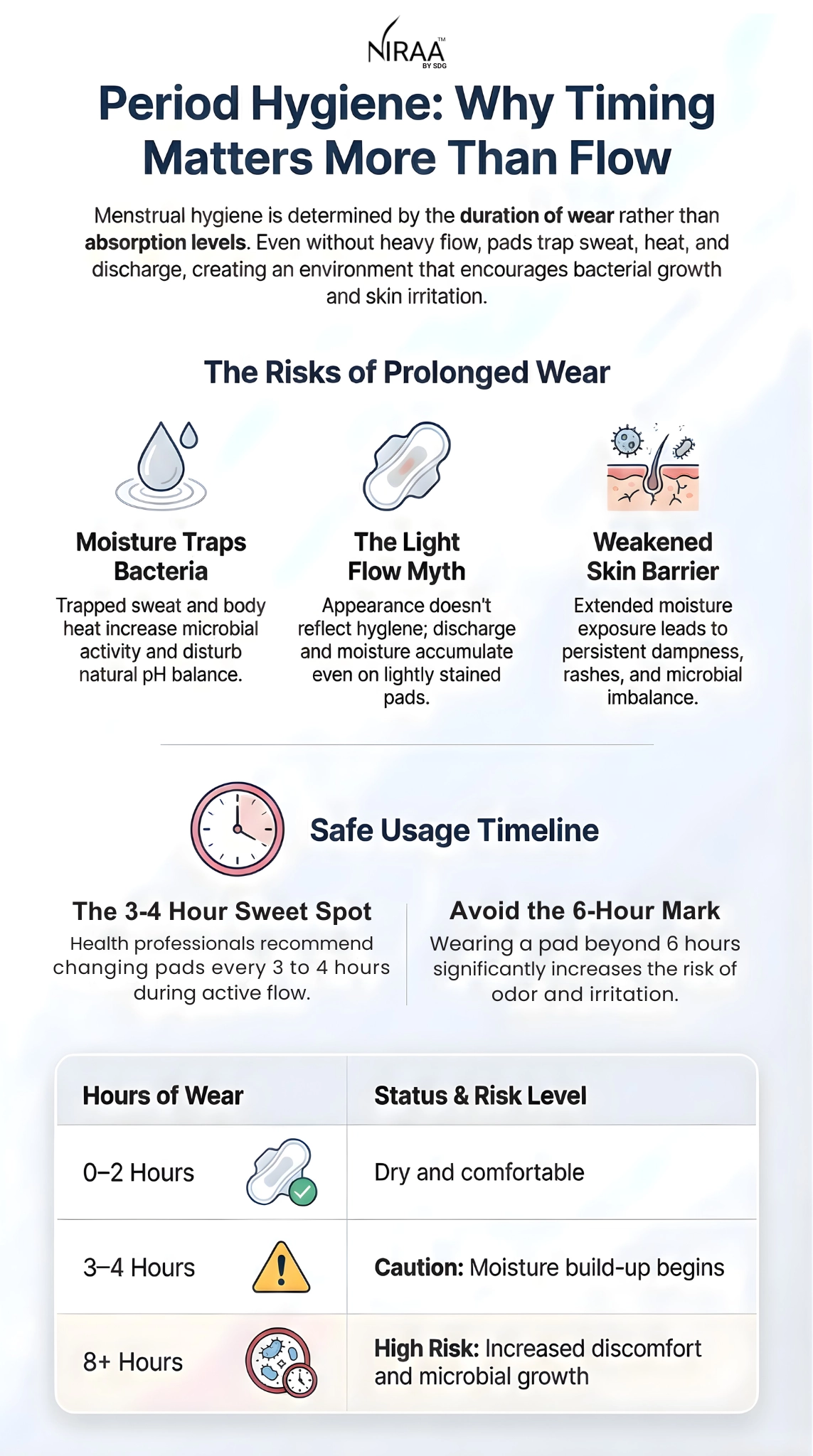
Below is a practical guideline based on flow intensity:
| Flow Type | Recommended Pad Type | Change Frequency |
|---|---|---|
| Heavy Flow | High absorbency | Every 3 to 4 hours |
| Moderate Flow | Medium absorbency | Every 4 hours |
| Light Flow | Ultra thin pad | Every 4 to 6 hours(up to 6 if completely dry and comfortable) |
| Overnight | Night pad | Change immediately in morning |
Why Around Four Hours Is Considered Safe
For many individuals, a four-hour interval provides a balanced approach. Heavier days may require more frequent switching, while lighter days may allow slightly longer use, provided there is no dampness or discomfort.
Rather than focusing only on visible saturation, it is important to consider moisture exposure, skin sensitivity, and daily activity levels.
Important Reminders
- If the pad feels damp, refresh it sooner
- Do not ignore itching or odor
- Carry spare pads during long outings
- After exercise or heavy sweating, consider an earlier update
The goal is to maintain dryness and comfort throughout the day. Consistent pad renewal supports overall period hygiene and helps reduce avoidable irritation.
Signs You Have Worn a Pad Too Long
Your body often signals when it is time for a fresh pad. Paying attention to these signs can help you avoid discomfort before it develops into irritation.
Here are common indicators that the pad has been worn longer than ideal:
Strong or Unusual Odor
A mild smell during menstruation is normal. However, a stronger or unpleasant odor may suggest that moisture has remained in contact with air and warmth for too long.
Itching or Burning Sensation
Persistent itching, irritation, or a mild burning may occur when dampness remains against sensitive skin. These sensations often develop gradually rather than suddenly.
Damp or Sticky Feeling
Even if the pad does not look soaked, a damp sensation indicates accumulated moisture from sweat and discharge. This dampness creates an environment where bacteria can multiply.
This is why proper pad hygiene tips Indian women follow emphasize dryness, not just absorbency.
Redness or Rash
Prolonged friction combined with moisture may cause redness or small rashes around the intimate area or inner thighs. Early attention can prevent worsening irritation.
General Discomfort
A pad that feels heavy, bulky, or irritating during movement may simply need to be refreshed.
Responding to these early signs supports better period care habits Ignoring these signs repeatedly may increase the risk of skin irritation over time. and helps maintain skin comfort throughout your cycle.
Practical Tips to Maintain Safe Pad Usage
Understanding hygiene recommendations is one thing. Following them consistently during busy days requires small, practical adjustments.
Here are simple habits that make period care easier:
1. Set a Simple Reminder
If you tend to lose track of time, setting a reminder on your phone can help maintain a consistent schedule. This is especially useful during work or school hours.
2. Always Carry Extra Pads
Keeping spare pads in your bag ensures you are prepared for unexpected delays. Being equipped reduces the temptation to extend wear time.
3. Choose Breathable and Comfortable Pads
Pads designed with breathable layers and appropriate absorbency improve comfort and reduce moisture buildup. Selecting the right type based on your flow makes timely renewal easier.
4. Maintain Hand Hygiene
Washing your hands before and after changing a pad helps reduce the transfer of bacteria. If water is unavailable, a sanitizer can be used temporarily.
5. Dispose of Pads Properly
Wrapping and discarding used pads responsibly supports cleanliness and prevents odor in shared spaces.
6. Plan for School and Workplace Hours
If you anticipate long meetings, travel, or exams, identify restroom access in advance. Small planning steps make routine updates manageable.
Developing these habits helps maintain comfort, confidence, and overall menstrual well being throughout your cycle.
Choosing the Right Pad for Better Hygiene
Maintaining healthy period care habits becomes easier when you use a pad that matches your flow and comfort needs. Not all sanitary pads are designed the same way. Absorbency level, material, and breathability can significantly affect skin comfort and moisture control.
Selecting the appropriate type supports dryness and reduces irritation throughout the day.
Match Absorbency With Your Flow
Using a high absorbency pad during very light flow may feel unnecessarily bulky. Conversely, using a thinner pad during heavy flow may require more frequent updates.
As a general guide:
- High absorbency pads are suitable for heavier days
- Medium absorbency works well for moderate flow
- Thin or ultra thin options are ideal for lighter days
If you are unsure which option suits you best, you can read our detailed guide on Ultra-Thin vs Regular Sanitary Pads to understand the key differences and choose based on comfort and flow needs.
Matching absorbency correctly makes it easier to maintain consistent hygiene without discomfort.
Look for Breathable Materials
Pads designed with breathable layers help reduce moisture retention and friction. Improved airflow supports skin comfort, especially during longer wear hours.
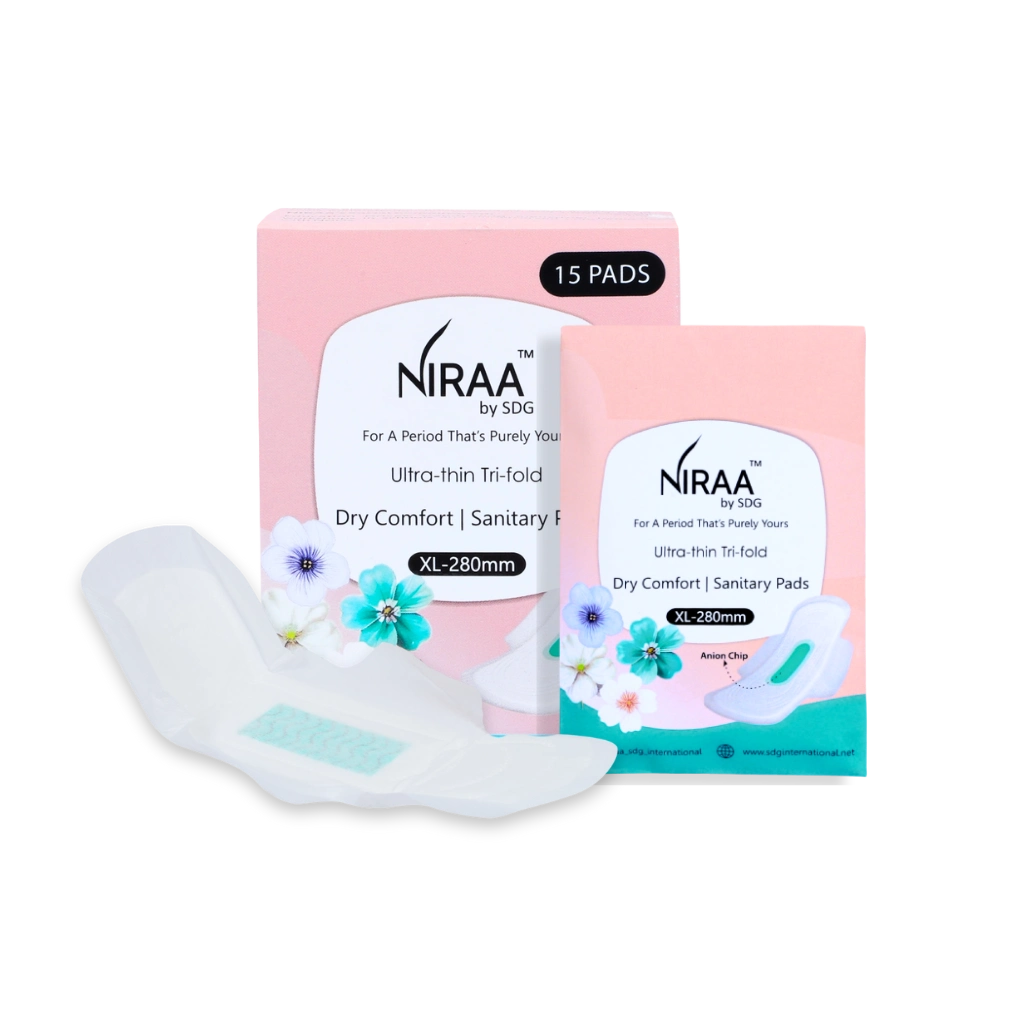
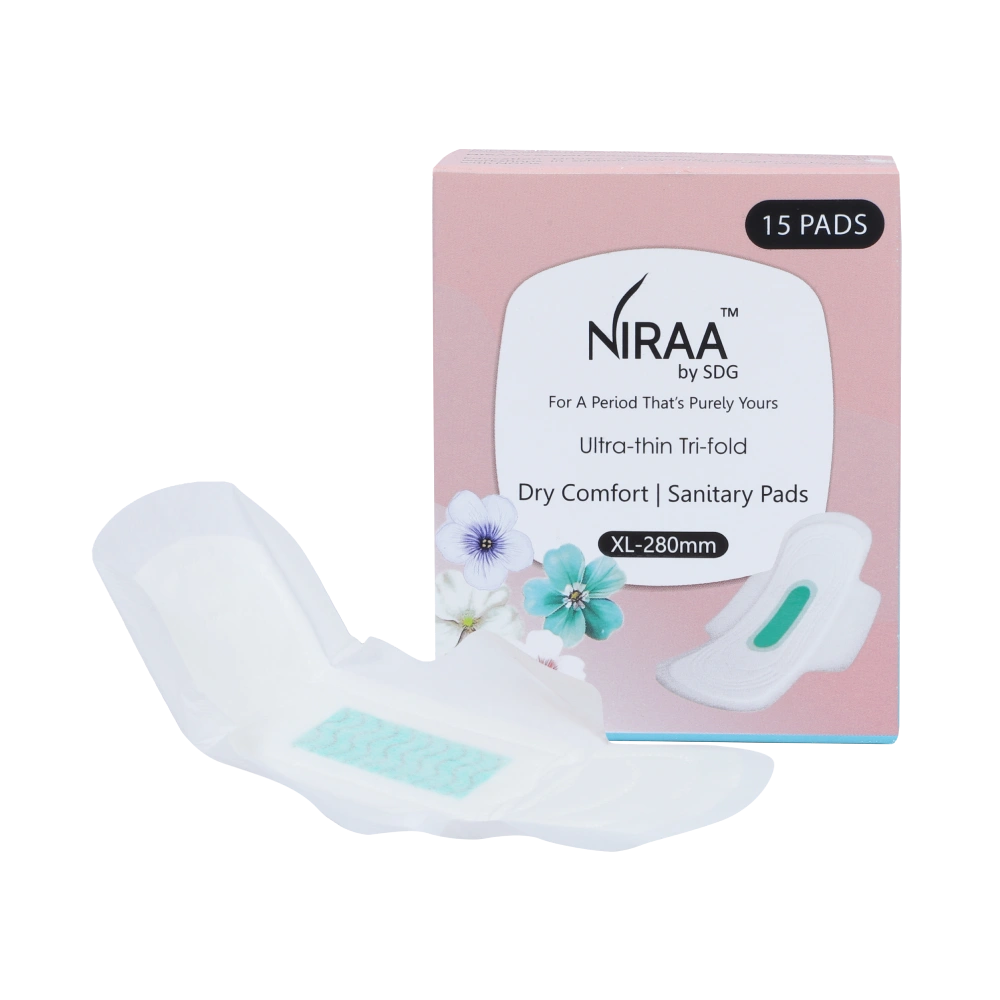
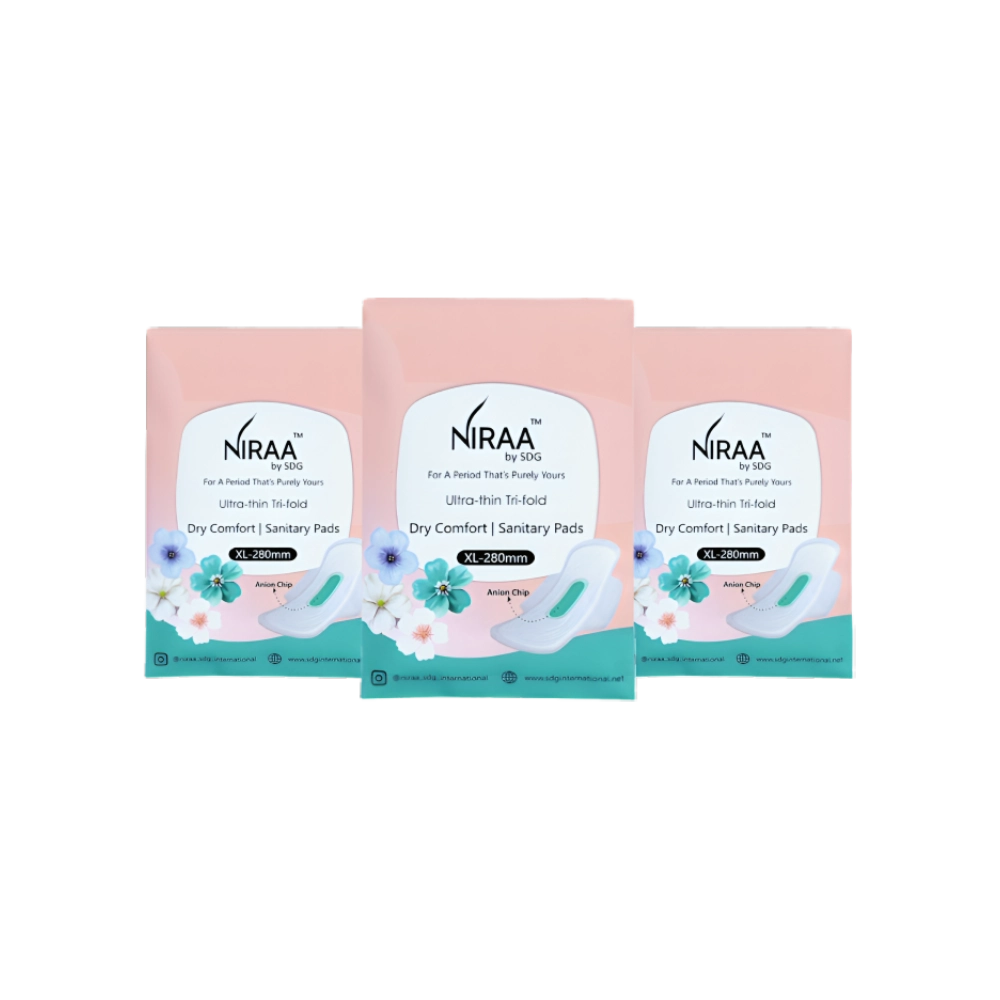
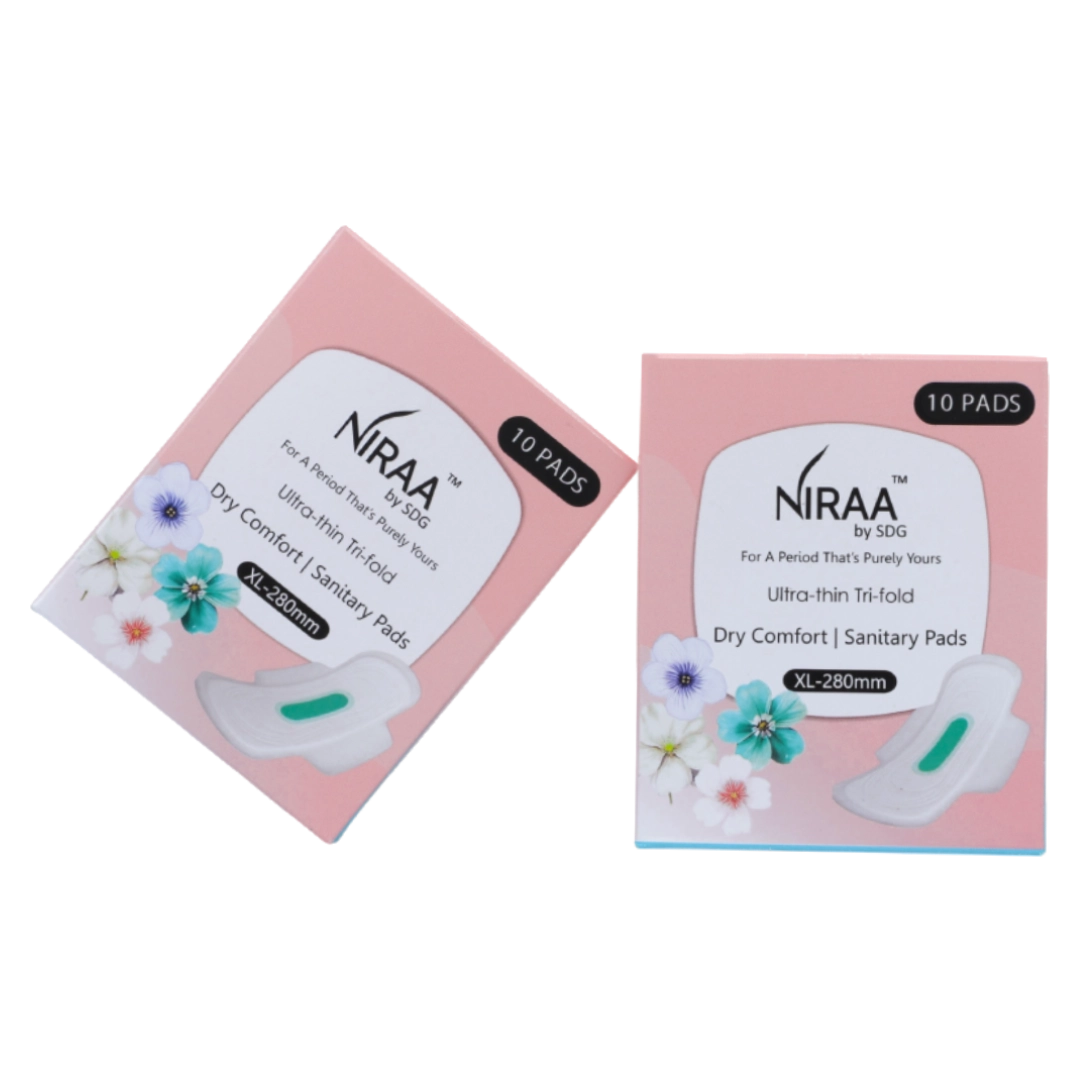
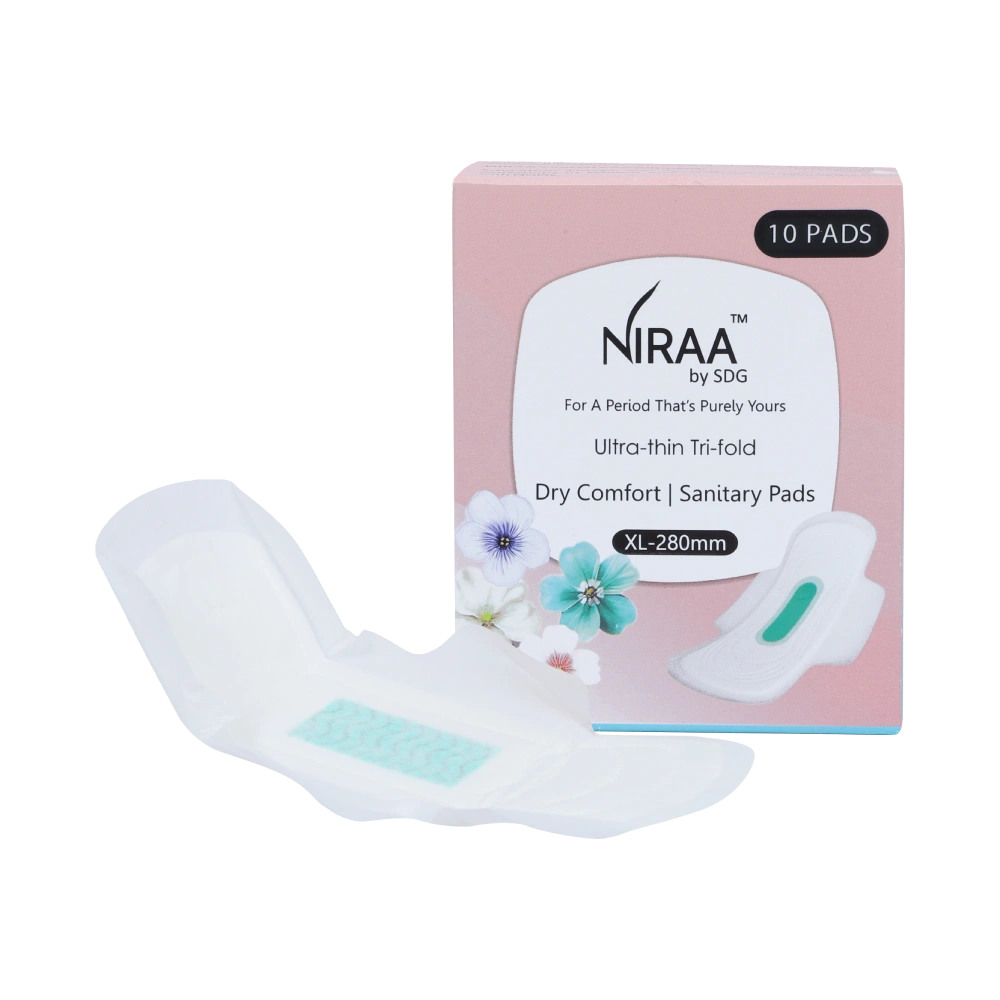
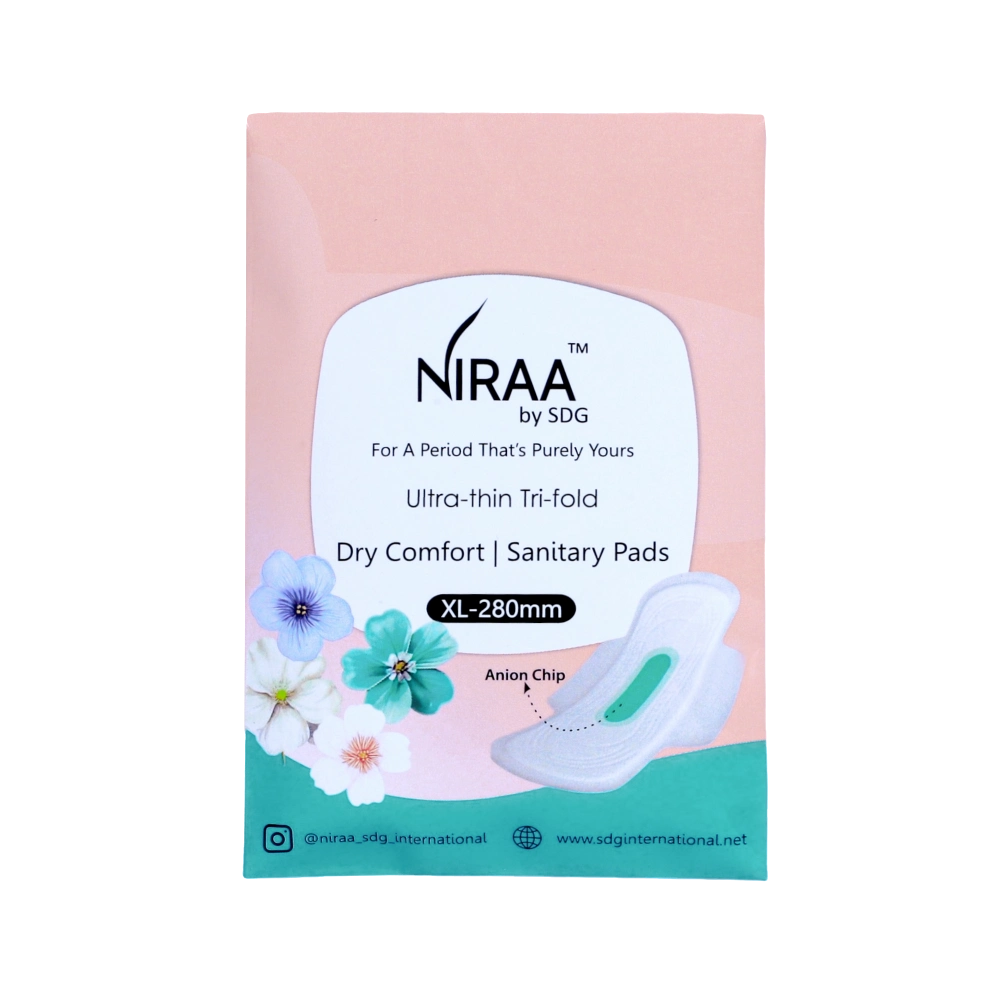
Ultra Thin Tri Fold Sanitary Pads for Light Flow
For lighter days, ultra thin tri fold sanitary pads provide a lightweight and discreet option. Their compact design makes them convenient for work, school, or travel while still offering reliable absorption.
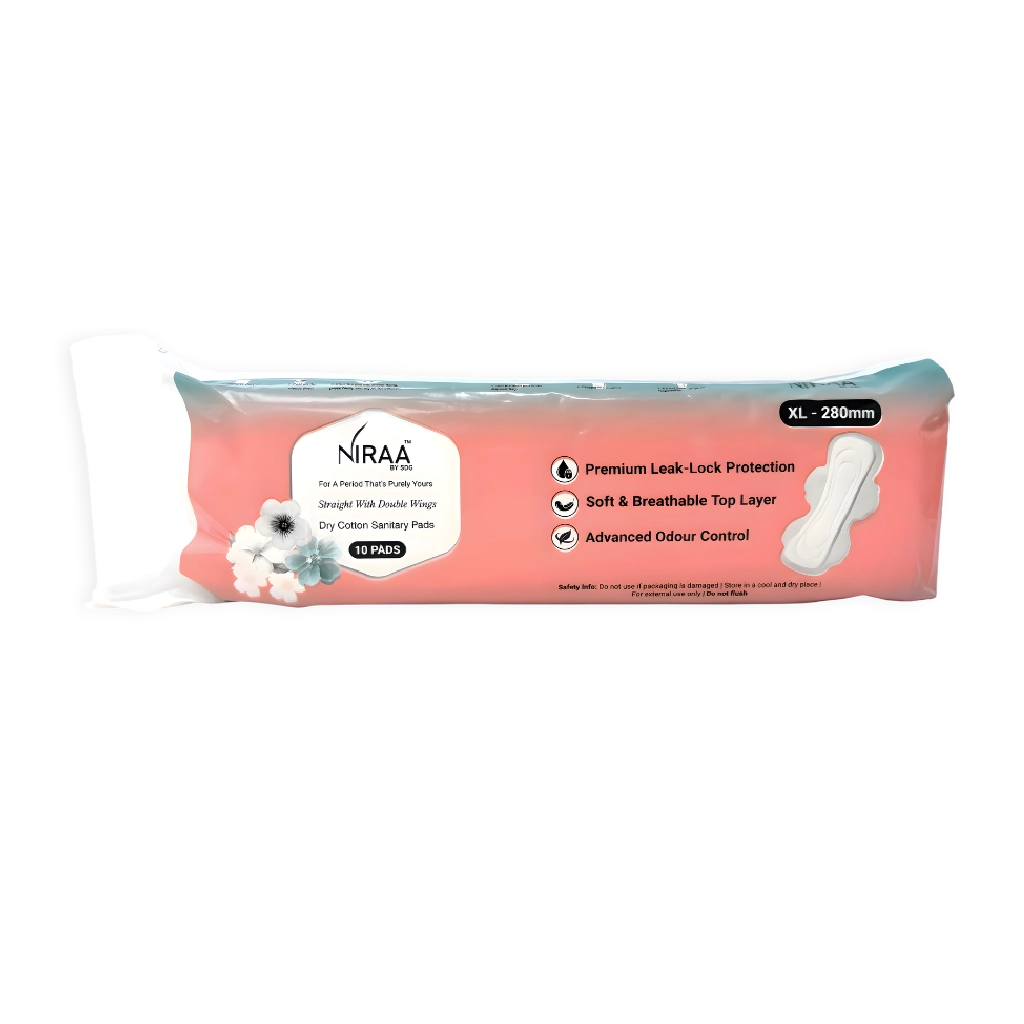
Straight Pads for Better Coverage
Straight pads offer broader coverage and a secure fit for those who prefer added protection. They are particularly useful during longer outings or active schedules.
Prioritize Skin Comfort
Soft top layers and irritation-resistant materials help reduce redness and discomfort. If you have sensitive skin, choosing pads designed for comfort can make a noticeable difference.
Even the highest quality pad should be refreshed at appropriate intervals. Product design and timely renewal work together to maintain overall menstrual hygiene and comfort.
Frequently Asked Questions (FAQs)
Many women have practical questions about pad usage, especially during lighter days. Here are clear answers to common concerns.
Is it necessary to refresh a pad every four hours on light flow?
Yes. Even during lighter days, moisture from discharge and perspiration can accumulate. Regular updates help maintain dryness and reduce the likelihood of irritation or odor.
What happens if I wear a pad for eight hours or more?
Extended wear may lead to dampness, discomfort, odor, and in some cases skin irritation. The risk increases when moisture remains in contact with sensitive skin for long periods.
Can wearing a pad too long cause infection?
Prolonged moisture exposure can create conditions that favor bacterial imbalance. While it does not guarantee infection, extended use may increase the likelihood of irritation or microbial disturbance.
How many pads are typically used in a day?
This depends on flow intensity. On average, many individuals use between three and six pads daily. Heavier days may require more frequent updates, while lighter days may require fewer, provided comfort and dryness are maintained.
Can disposable pads be reused?
No. Disposable pads are intended for single use. Reusing them increases the risk of contamination and irritation.
Is Toxic Shock Syndrome possible with sanitary pads?
Toxic Shock Syndrome is rare and more commonly linked to tampon use. The risk associated with pads is significantly lower, but maintaining proper hygiene practices remains important.
Conclusion: A Small Habit That Makes a Big Difference
Maintaining menstrual hygiene is not only about choosing the right product. It is about using it responsibly and consistently.
Even during lighter days, moisture exposure and extended wear can affect skin comfort and overall well being. Waiting until a pad feels fully saturated may not always be the safest approach. Developing a regular update routine helps support dryness, balance, and confidence throughout your cycle.
Simple habits such as selecting the right absorbency, paying attention to early signs of discomfort, and maintaining timely renewal can significantly improve your period experience.
Period care is a form of self respect. When practiced mindfully, it protects your health while allowing you to move through your day with comfort and assurance.
Stay informed. Stay comfortable. Stay confident.