Many people associate diaper rash only with babies. However, adults experiencing incontinence can also face similar skin problems. In fact, adult diaper rash is a common yet often overlooked issue that affects individuals who rely on absorbent products for daily hygiene and comfort.
Prolonged contact with moisture is the primary trigger, and when the skin’s protective barrier breaks down, redness, itching, and painful rashes can develop. This condition is directly linked to inadequate adult incontinence skin care routines.
For elderly individuals or people with mobility challenges, maintaining proper incontinence hygiene for elderly care becomes even more important. Without the right care routine, the skin can break down and increase the risk of infections or discomfort that affects everyday life.
The good news is that most cases of adult diaper rash are preventable. Whether you are managing incontinence yourself or caring for a family member, understanding the causes, symptoms, and right care practices can help you take better steps to protect the skin and maintain everyday comfort and dignity.
What Is Adult Diaper Rash?
Adult diaper rash is a type of skin irritation that appears in areas covered by absorbent products, such as the groin, buttocks, and inner thighs.
It usually starts when the skin stays damp for too long. Moisture from urine or sweat can soften the skin and make it more sensitive. When this happens, even normal rubbing from clothing or absorbent products can irritate the skin.
At first, the rash may look like mild redness or feel slightly itchy. If the skin continues to stay wet or irritated, it may become sore, inflamed, or uncomfortable.
Good hygiene and regular changing of absorbent products are important to keep the skin dry and reduce irritation. Simple incontinence skin care tips can help protect the skin and prevent the rash from becoming worse.
Can Adults Get Diaper Rash?
Yes, adults can get diaper rash, especially people who use absorbent products due to urinary or bowel control. This condition is commonly seen among elderly individuals, people who stay in bed for long periods, and those recovering from surgery.
When the skin stays exposed to moisture for a long time, it becomes sensitive and easily irritated. Urine, sweat, and rubbing from absorbent products can damage the skin’s natural protective layer. This can lead to redness, discomfort, and itching.
Doctors often call this condition incontinence associated dermatitis (IAD). It happens when the skin stays wet for too long and bacteria start irritating the skin. Without proper adult incontinence care, the irritation can become worse and may lead to infections.
Who Is Most at Risk?
Anyone who regularly uses absorbent products can get adult diaper rash, but some people face a higher risk than others.
Elderly individuals are more vulnerable because aging skin becomes thinner and more sensitive. Proper elderly incontinence care is important to keep the skin clean and protected.
People who stay in bed for long periods or have limited movement are also at risk. When the body stays in one position for too long, moisture and pressure can irritate the skin.
Individuals recovering from surgery or medical conditions may also use absorbent products temporarily. During this time, regular changing and good hygiene help prevent incontinence skin irritation.
Understanding these adult diaper rash risk factors helps caregivers take better steps to protect the skin and maintain comfort.
Adult Incontinence and Skin Health in India
Skin care becomes especially important in a country like India where hot and humid weather can increase sweating and moisture buildup. When the skin stays damp for long periods, the chances of irritation and adult diaper rash can increase.
Another challenge is limited awareness about incontinence hygiene. Many caregivers focus on changing absorbent products but may overlook proper skin cleaning, drying, and protection.
Regular hygiene routines, breathable absorbent products, and basic incontinence skin care tips can help reduce irritation and keep the skin healthier. Increasing awareness about adult incontinence care in India can make a big difference in protecting the comfort and dignity of elderly individuals.
Why Adult Diaper Rash Needs Special Care
Adult diaper rash requires special attention because adult skin responds differently to irritation compared to babies. When the skin stays exposed to moisture, friction, and bacteria for long periods, it becomes more sensitive and easier to irritate.
For adults who rely on absorbent products due to incontinence, maintaining proper incontinence skin protection is essential. Without the right hygiene routine, the skin may become sensitive, inflamed, or prone to infection.
Understanding why adults need extra care can help caregivers take better steps to protect the skin and prevent discomfort.
Adult Skin Is More Fragile
As people age, the skin naturally becomes thinner and loses some of its protective strength. This makes the skin more sensitive to moisture, friction, and irritation.
Because of this sensitive skin in elderly individuals, even small amounts of moisture can cause redness or irritation if the skin is not kept clean and dry.
Longer Exposure to Moisture
Adults using absorbent products may stay in the same product for several hours. When moisture remains trapped against the skin for too long, it can weaken the skin barrier and increase the risk of incontinence skin damage.
Regular changing and keeping the skin dry are important steps to reduce irritation.
Higher Risk of Skin Infections
When the skin becomes irritated or damaged, it becomes easier for bacteria or fungi to grow. This can lead to infections that cause pain, swelling, or further skin irritation.
Proper hygiene and skin barrier protection can help prevent these complications.
Impact on Comfort and Dignity
Skin irritation from adult diaper rash can cause discomfort during everyday activities such as sitting, moving, or sleeping. In some cases, it may also affect a person’s confidence and emotional well being.
Providing proper care helps maintain both physical comfort and personal dignity for individuals managing incontinence.
Common Causes of Adult Diaper Rash
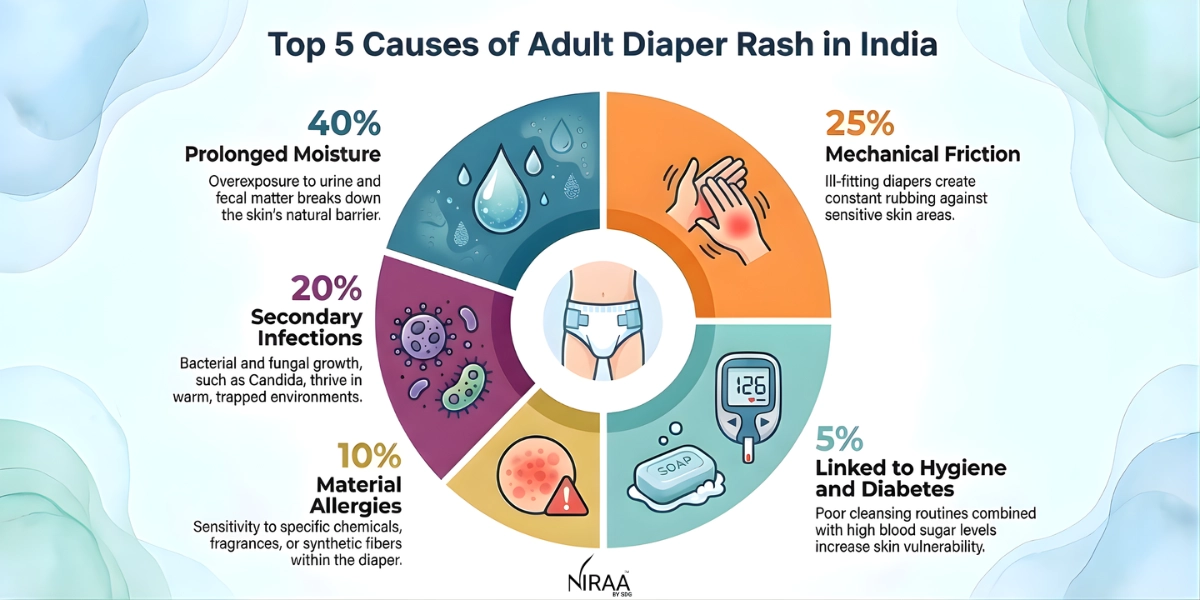
Several factors can lead to adult diaper rash, especially when the skin stays covered and exposed to moisture for long periods. Understanding these adult diaper rash causes can help caregivers protect the skin more effectively.
One of the most common causes is prolonged contact with urine or stool, which can irritate the skin and weaken its natural barrier.
Infrequent changing of absorbent products can also increase the risk. When products are worn for too long, moisture and bacteria build up and cause incontinence skin irritation.
Other factors include heat, trapped moisture, friction from absorbent products, and poor hygiene practices such as not cleaning and drying the skin properly.
Recognizing these causes can help reduce irritation and support better incontinence skin care.
Moisture and Friction Risks
Moisture is a major cause of adult diaper rash. When the skin stays wet from urine, sweat, or humidity, it becomes softer and more sensitive, which can lead to moisture skin irritation.
Friction can make this worse. Rubbing from absorbent products or clothing on damp skin may cause redness and friction rash in adults.
Choosing breathable absorbent products and ensuring a proper fit can help reduce both moisture buildup and friction against the skin.
India Specific Risk Factors
In India, hot and humid weather can increase sweating and moisture buildup, which raises the chances of adult diaper rash. When the skin stays damp for long periods, irritation can develop more easily.
Certain health conditions, such as diabetes, can also slow down skin healing and make the skin more sensitive to irritation.
Because of these factors, following proper hygiene and regular changing routines is important to reduce adult diaper rash in India and protect skin health.
Signs and Symptoms to Watch For
Recognizing the early signs of adult diaper rash can help prevent the irritation from becoming more serious. The rash usually appears in areas covered by absorbent products, such as the groin, buttocks, or inner thighs.
Common adult diaper rash symptoms include redness, itching, or a burning sensation on the skin. The affected area may also feel sore or sensitive, especially when sitting or moving.
In some cases, the skin may begin to peel, crack, or become inflamed. Paying attention to these signs of incontinence rash can help caregivers take quick action and protect the skin before the condition worsens.
Mild Symptoms
Early signs of adult diaper rash may appear as light redness or mild irritation on the skin. The affected area may feel slightly itchy, warm, or sensitive.
These early signs of diaper rash in adults are usually mild and can improve quickly with proper hygiene and regular changing of absorbent products.
Severe Symptoms
If the rash is not treated early, it may become more serious. Severe diaper rash in adults can cause intense redness, swelling, or painful sores.
In some cases, the skin may crack, bleed, or develop fungal infections. These signs of incontinence skin infection may require medical attention.
How to Prevent Adult Diaper Rash
Preventing adult diaper rash mainly depends on maintaining good hygiene and protecting the skin from constant moisture. Simple daily care can help reduce irritation and support a healthy skin barrier.
Consistent daily habits make the biggest difference. Even small changes to a hygiene routine can significantly reduce the chances of irritation and keep the skin in better condition over time.
Using gentle cleansers and protective creams can also support the skin and reduce irritation. Following a consistent incontinence skin care routine helps protect sensitive skin and lowers the risk of rashes.
With proper care and attention, many cases of adult diaper rash can be avoided.
Change Incontinence Products Frequently
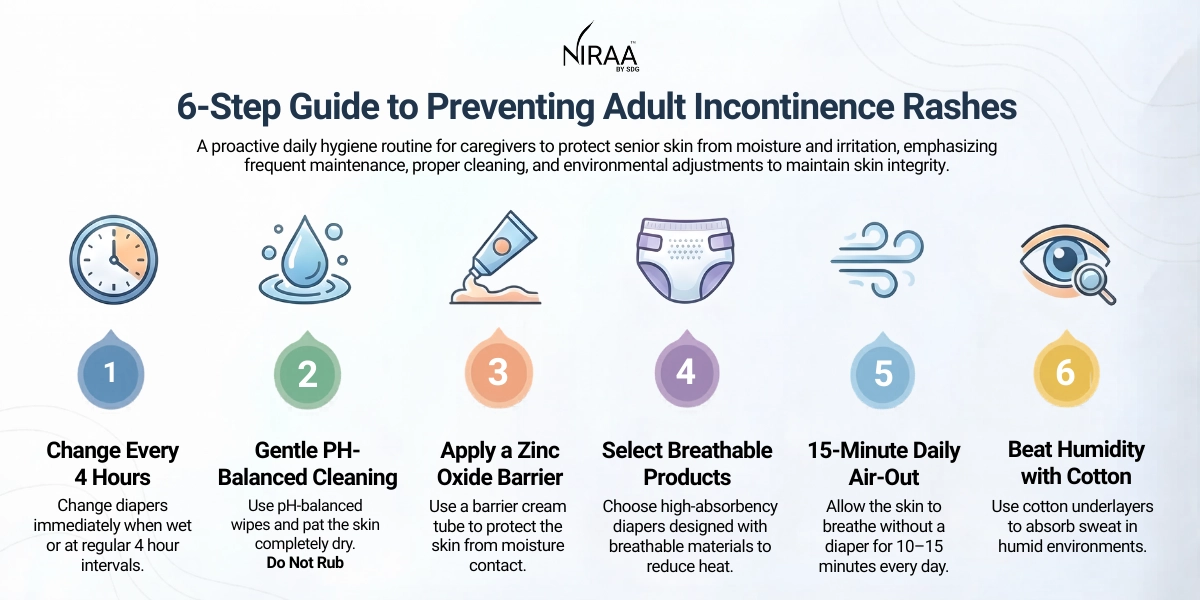
Absorbent products should be changed every 4 to 6 hours, or sooner if they become wet or soiled. Wearing the same product for too long allows moisture and bacteria to build up, which directly increases the risk of irritation. A regular changing schedule is one of the most effective steps in any incontinence skin care routine.
Keep Skin Clean and Dry
Proper incontinence hygiene plays an important role in protecting the skin. After each urination or bowel movement, gently clean the skin and make sure it is completely dry before putting on a new absorbent product.
Keeping the skin clean and dry helps reduce irritation and lowers the risk of adult diaper rash.
Use Gentle Skin Cleansers
Using mild, pH balanced cleansers can help protect sensitive skin. Harsh soaps or strong chemicals may irritate the skin and worsen redness. Gentle cleansing supports healthier skin care for adult diaper users.
Apply Protective Barrier Creams
Barrier creams create a protective layer on the skin and help reduce irritation from moisture. Products containing zinc oxide are commonly used to protect the skin and support diaper rash prevention.
Choose High Absorbency Products
Using high absorbency products can help keep moisture away from the skin. Breathable materials allow better airflow and reduce the risk of skin irritation from absorbent products.
Follow a Daily Hygiene Routine
A consistent daily routine matters as much as individual hygiene steps. Pairing regular product changes with gentle cleansing, proper drying, and a protective barrier cream gives the skin the best chance of staying healthy and irritation-free.
How to Treat Adult Diaper Rash
Treating adult diaper rash early can help prevent the irritation from becoming more severe. The main goal of treatment is to keep the skin clean, dry, and protected so it can heal properly.
Simple steps such as gentle cleansing, regular changing of absorbent products, and using protective creams can support adult diaper rash treatment. In many cases, mild rashes improve with proper hygiene and skin care.
However, if the irritation continues or becomes painful, additional treatments or medical advice may be needed. Taking timely action helps reduce discomfort and supports better rash care for elderly individuals.
Mild Rash Care
For mild adult diaper rash, gentle skin care is usually enough to help the skin heal.
Clean the affected area with lukewarm water or a mild cleanser, and dry the skin gently. Changing absorbent products regularly and applying protective creams can help reduce irritation and support recovery.
OTC Creams That Help
Over the counter creams can help protect irritated skin and support healing. Many products contain zinc oxide, which forms a protective layer on the skin.
These creams help reduce moisture contact and are commonly used for diaper rash treatment in both adults and babies.
Natural Remedies That May Help
Some natural remedies may help soothe mild skin irritation. Aloe vera can help calm irritated skin, while coconut oil may provide gentle moisture and protection.
These remedies may support home care for adult diaper rash, but they should be used carefully and only for mild irritation.
When to Consult a Doctor
If the rash does not improve after a few days of proper care, it may be time to consult a doctor.
Seek medical advice if the skin becomes very painful, starts bleeding, or shows signs of infection such as swelling or unusual discharge. Early treatment can help prevent more serious incontinence skin infections.
Care Tips for Caregivers and Family Members
Caring for someone with incontinence requires attention to both hygiene and comfort. Simple daily practices can help prevent adult diaper rash and support better skin health.
Maintain a regular diaper changing schedule to prevent moisture from staying on the skin for too long. Checking the skin daily for redness or irritation can help identify early signs of incontinence skin irritation.
It is also important to keep bedding and clothing dry, as damp fabrics can worsen skin problems. Using soft wipes or a clean cloth with mild cleansers can help clean the skin gently without causing further irritation.
With proper care and attention, caregivers can reduce discomfort and help maintain healthy skin for individuals who rely on incontinence care.
Lifestyle Tips to Manage Incontinence and Skin Health
Managing incontinence is not only about hygiene but also about maintaining overall health. Simple lifestyle habits can support better incontinence management and help reduce the risk of adult diaper rash.
A healthy routine that includes proper hydration, balanced nutrition, and regular skin checks can help keep the skin stronger and less prone to irritation.
Maintain Proper Hydration
Drinking enough water helps keep the body healthy and supports better bladder function. Proper hydration may also reduce irritation caused by concentrated urine.
Follow a Balanced Diet
A nutritious diet supports overall health and helps the body maintain healthier skin. Foods rich in vitamins and minerals can help support skin care for seniors.
Monitor Skin Health Regularly
Regularly checking the skin helps detect early signs of redness or irritation. Early attention can prevent small issues from turning into more serious skin problems in elderly individuals.
Choosing the Right Incontinence Products Matters
Selecting the right absorbent products plays an important role in preventing adult diaper rash. Products that are designed to manage moisture effectively can help keep the skin dry and reduce irritation.
Look for products made with breathable materials that allow better airflow and reduce heat and moisture buildup. High absorbency is also important because it helps lock moisture away from the skin.
A comfortable fit is another key factor. Products that fit well are less likely to rub against the skin and cause friction, which can lead to irritation.
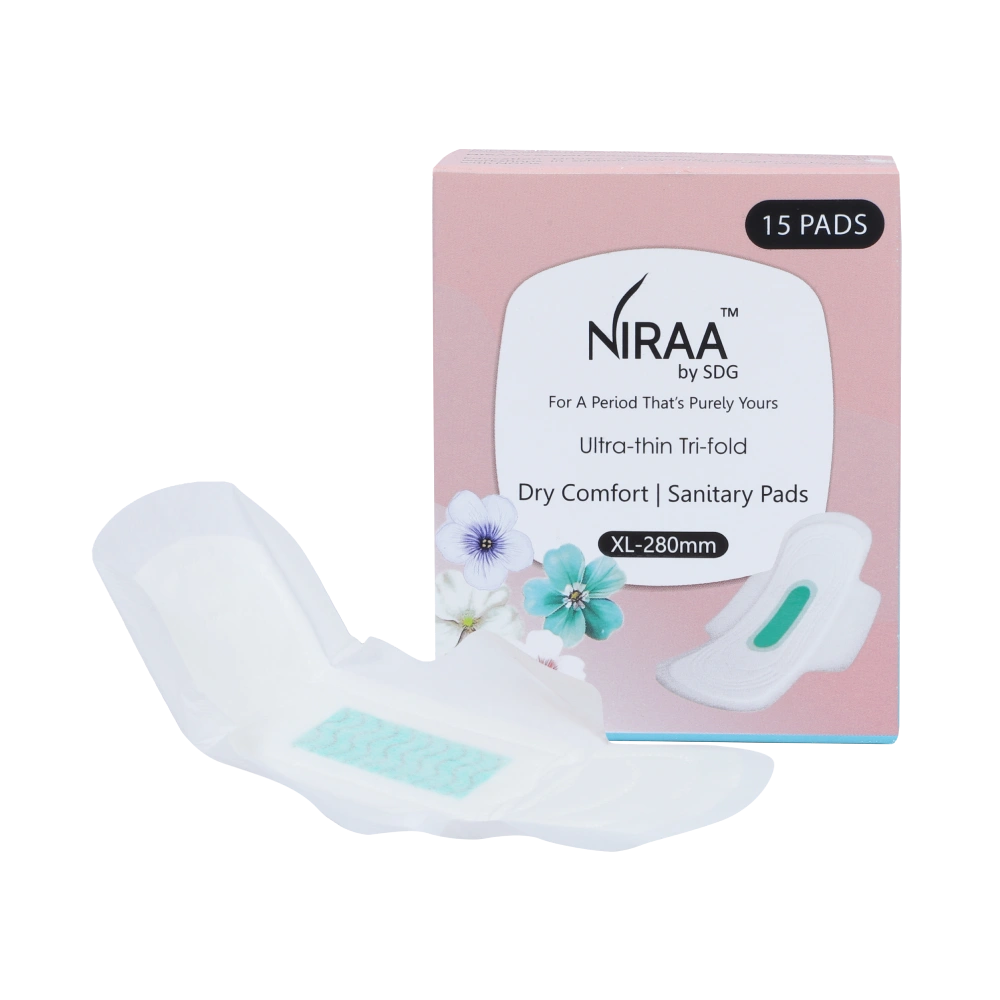
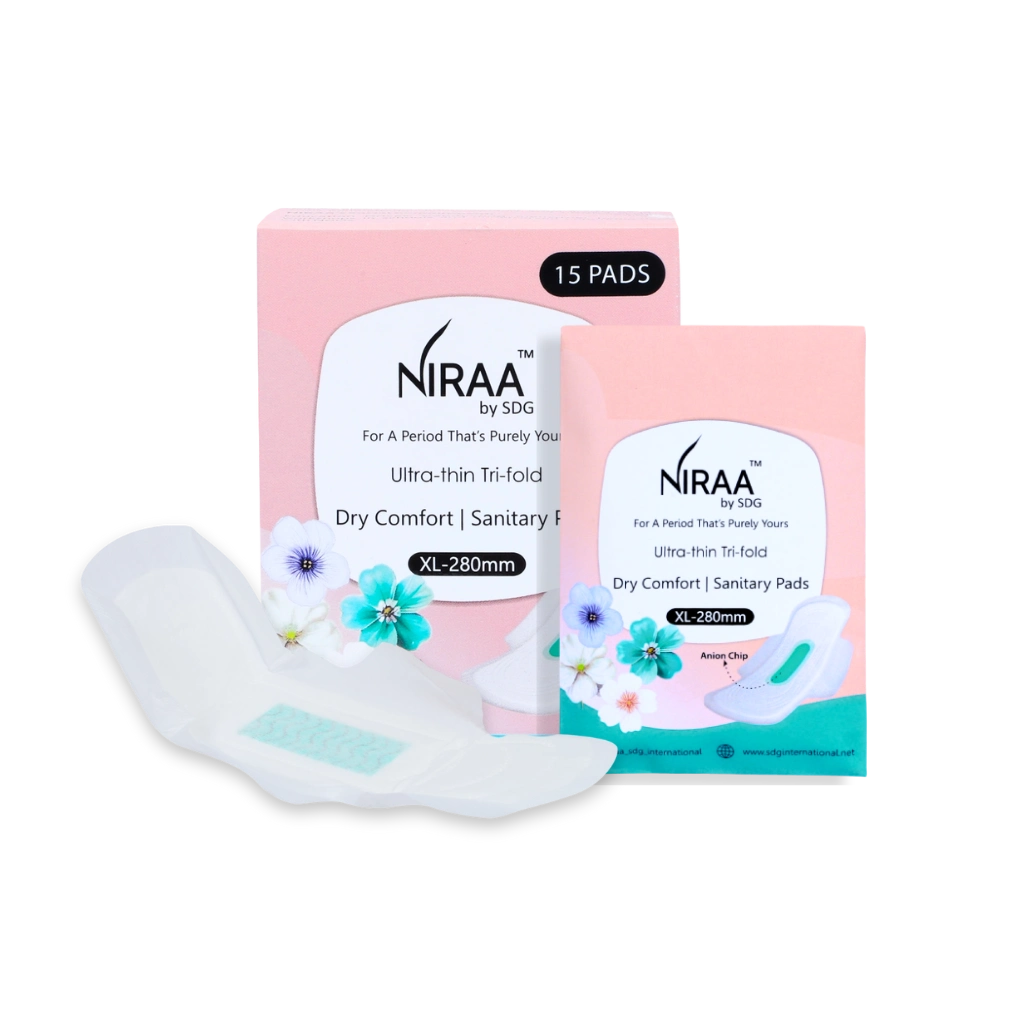
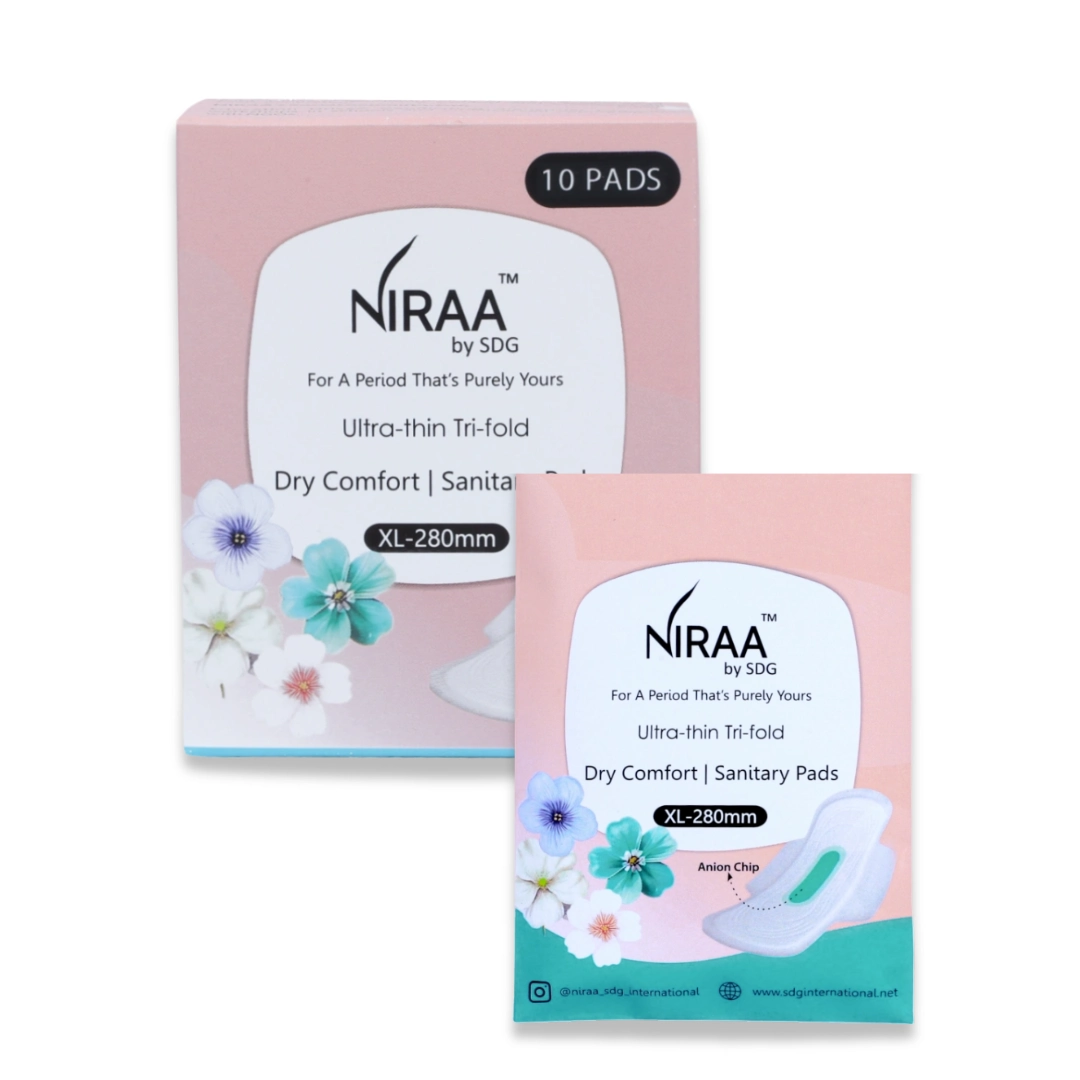
At NIRAA, skin protection is at the core of everything we do. As we continue to grow our range, our focus remains on developing products that prioritise breathability, comfort, and skin health for every stage of life.
Breaking the Stigma Around Adult Incontinence
Adult incontinence is more common than many people realize, yet it is often not openly discussed. Because of this, individuals experiencing incontinence may feel embarrassed or hesitant to seek help.
In reality, incontinence can happen due to aging, medical conditions, or recovery from surgery. With proper care and the right hygiene practices, people can manage it while maintaining comfort and dignity.
Raising awareness about adult incontinence care also helps families and caregivers provide better support. Open conversations and proper education can make it easier to address concerns such as adult diaper rash and other skin health issues.
By reducing stigma and focusing on proper care, individuals living with incontinence can continue to lead comfortable and confident lives.
Conclusion
Adult diaper rash is a real and common concern, but it is also one of the more preventable skin issues with the right knowledge and routine in place.
For individuals managing incontinence and for the caregivers supporting them, the key is consistency. Clean skin, timely product changes, and protective barrier care are simple habits that genuinely make a difference.
Incontinence does not have to mean discomfort. With proper awareness and daily attention to skin health, people can manage this condition with confidence and dignity.
Skin protection starts with the right knowledge and the right hygiene habits. If you found this article helpful, you may also want to read our guide on how safe hygiene products can help prevent infections and rashes.
FAQs
Can adult diaper rash lead to more serious skin conditions?
Yes, if left untreated, adult diaper rash can progress into more serious conditions such as fungal infections or bacterial skin infections. This is why early attention and a consistent hygiene routine are important.
Is adult diaper rash the same as contact dermatitis?
They are related but not identical. Incontinence associated dermatitis (IAD) is specifically caused by prolonged exposure to urine or stool, while contact dermatitis can be triggered by an allergic reaction to materials in absorbent products. A doctor can help identify the exact cause.
Can younger adults get diaper rash, or is it only common in the elderly?
While the elderly are more vulnerable due to thinner and more sensitive skin, younger adults recovering from surgery, managing a medical condition, or using absorbent products for any reason can also develop adult diaper rash.
How do I raise the topic of incontinence hygiene with an elderly parent without making them feel embarrassed?
Approach the conversation with sensitivity and focus on comfort rather than the condition itself. Framing it around skin health and daily comfort rather than incontinence directly can make it easier for them to accept help.
Does diet have any impact on adult diaper rash?
Yes, diet can play a role. Certain foods and beverages can make urine more concentrated or acidic, which may increase skin irritation. Staying well hydrated and maintaining a balanced diet can help reduce this risk.
How is a fungal rash different from a regular diaper rash in adults?
A fungal rash often appears as a bright red rash with defined edges and may have small spots around the border. It does not improve with standard barrier creams alone and usually requires antifungal treatment. If the rash does not respond to regular care within a few days, consult a doctor.
Disclaimer: This article is intended for informational purposes only and does not constitute professional medical advice, diagnosis, or treatment. If you or someone you care for is experiencing persistent or severe skin irritation, please consult a qualified healthcare professional.