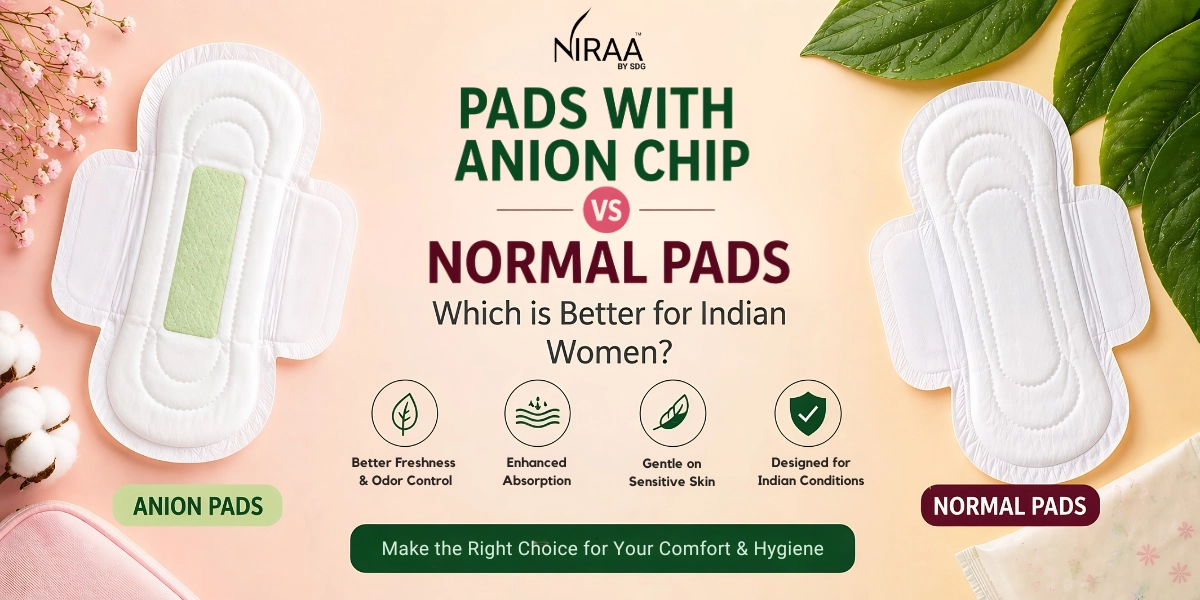
Periods are a natural part of life, but the discomfort that comes with them often is not. From dealing with odor during 12-hour work shifts to managing rashes in Mumbai’s monsoon humidity, many women in India struggle to find a sanitary pad that truly supports their daily routine.
With more options now available, one question is becoming increasingly common: anion pads vs normal pads, which one is actually better for your period care?
While regular sanitary pads have been a trusted choice for years, anion pads are gaining attention for their advanced hygiene features. But are they genuinely different, or simply another trend in the market?
In this guide, we will break down the real difference between anion pads and normal pads, explain how they work, and help you understand which option suits your body, lifestyle, and comfort needs. The focus is on clarity, not claims, so you can make the right choice for your period care in Indian conditions.
What Are Regular Sanitary Pads?
Regular sanitary pads are the most commonly used menstrual hygiene products. They are designed to absorb menstrual flow and provide protection from leaks during periods. For many women in India, they are a familiar and convenient choice due to their easy availability and simple usage.
How Regular Pads Work
Regular sanitary pads are designed to absorb menstrual flow and keep you dry throughout the day. They typically consist of multiple layers that work together to provide protection and comfort.
The top layer comes in contact with the skin and is made to feel soft and dry. Beneath it, the absorbent core locks in menstrual fluid, while the bottom layer acts as a leak-proof barrier to prevent staining. This structure helps manage flow effectively, especially when changed at the right intervals.
Benefits of Regular Pads
Regular pads have been widely used for years because they are simple, accessible, and available in different options to suit individual needs.
- Affordable and easy to find across stores and online platforms
- Available in multiple sizes for light, moderate, and heavy flow
- Suitable for daily use when changed regularly
- Familiar and convenient for most users
Modern designs have also improved in terms of comfort and absorbency, making them a reliable choice for many women.
What Are Anion Sanitary Pads?
Anion sanitary pads are a type of menstrual hygiene product that includes an additional feature beyond standard absorbent layers. Along with the layers found in regular pads, these pads contain an anion strip, which is intended to support better hygiene during periods.
They are becoming popular among women who are looking for added comfort, freshness, and a more skin-friendly experience, especially during long wear hours.
What Is an Anion Strip?
An anion strip is a small layer embedded inside the pad that releases negative ions when it comes in contact with moisture. These negative ions are believed to help create a cleaner and fresher environment by reducing the conditions that allow odor-causing bacteria to grow.
Benefits of Anion Pads
Anion pads are often chosen for their additional features that focus on comfort and hygiene.
- Helps manage odor more effectively during long hours
- Supports a fresher and cleaner feeling throughout the day
- Designed to reduce the chances of irritation for sensitive skin
- Often made without added fragrance, making them suitable for regular use
How Anion Technology Works
The anion strip works by releasing negative ions when exposed to moisture during your period. This process is what sets these pads apart from regular ones in terms of odor management and overall freshness.
For a deeper understanding of the science and how this technology supports menstrual hygiene in everyday conditions, read our detailed guide on The Science Behind Anion Technology: How It Works for Menstrual Hygiene
Key Benefits of Anion Pads for Indian Women
In Indian conditions, where heat, humidity, and long daily routines are common, menstrual hygiene needs more than just basic absorbency. Anion sanitary pads are designed to offer added comfort and freshness, which can be especially helpful during extended wear.
Better Odor Control in Humid Weather
Hot and humid weather can increase sweat and moisture, which often leads to odor during periods. The anion technology in these pads helps maintain freshness over longer durations, making them a practical choice during summers or long travel days.
Comfort for Long Wear Hours
Many women in India spend long hours at work, college, or while traveling, where frequent pad changes may not always be possible. Anion pads are often designed to stay comfortable over longer durations, helping you feel more at ease throughout the day.
Suitable for Sensitive Skin
Skin irritation is a common concern, especially in humid climates. Anion pads are usually made with soft, breathable materials and are often free from added fragrance, which can make them a better option for those with sensitive skin.
Breathability in Hot Climate
Breathability plays an important role in preventing discomfort during periods. Pads that allow better airflow can help reduce the feeling of stickiness and irritation, which is particularly important in hot weather conditions.
Anion Pads vs Normal Pads: Key Differences
Choosing between anion pads and normal pads becomes easier when you look at how they differ across key features. Here’s a quick comparison to help you understand the difference clearly:
| Feature | Anion Pads | Regular Pads |
|---|---|---|
| Odor Control | Uses anion technology for odor control | Uses absorbency and sometimes fragrance |
| Skin Comfort | Often fragrance-free and breathable | Varies by material and design |
| Rash Risk | May reduce irritation in some cases | Varies based on usage and material |
| Absorbency | High | High |
| Cost | Slightly higher | More affordable |
| Technology | Includes anion strip | Standard absorbent layers |
Drawbacks of Regular Pads in Indian Conditions
Regular sanitary pads are widely used and work well for many women. However, in Indian conditions where heat and humidity are common, some users may experience certain challenges, especially during long wear hours.
Possible Rashes in Heat and Humidity
Warm weather combined with moisture can sometimes lead to skin irritation. Pads that are not breathable or are worn for extended periods may increase the chances of rashes or discomfort, especially for those with sensitive skin.
Fragrance Sensitivity for Some Users
Some regular pads use added fragrance to mask odor. While this may work for a short time, it can cause irritation or discomfort for people with sensitive skin. Fragrance does not address the root cause of odor, which is often linked to moisture and bacterial activity.
Limited Odor Control in Long Wear
Regular pads mainly rely on absorbency to manage menstrual flow. During long hours, especially in humid conditions, this may not be enough to control odor effectively, as the underlying factors like moisture and heat still remain.
Which Works Better in Indian Conditions?
Choosing between anion pads and regular pads often depends on how well they perform in real-life conditions. In India, factors like heat, humidity, and long daily routines play a major role in menstrual comfort.
Heat and Sweat Challenges
High temperatures and humidity can increase sweating, which may lead to discomfort during periods. Many women who commute in crowded metros or work in non-air-conditioned environments find that pads with better breathability and moisture management make a noticeable difference in their comfort throughout the day.
Long Working or Travel Hours
For women who work extended shifts, attend back-to-back meetings, or travel on long-distance trains, frequent pad changes may not always be practical. Choosing pads that maintain comfort and freshness over longer periods can help you stay confident without worrying about frequent changes.
Practical Insight
While different pad types offer different features, comfort during periods is not only about the product you choose. Hygiene habits, such as changing pads regularly and selecting the right size, play an equally important role.
In many cases, the right combination of good hygiene practices and a suitable pad can help you manage your period more comfortably, regardless of the type you choose.
Anion Pads vs Regular Pads: Which One Should You Choose?
There is no single option that works for everyone. The right choice depends on your body, daily routine, and personal comfort preferences. Understanding your needs can help you decide which type of pad suits you better.
Choose Anion Pads If:
- You experience odor concerns during long wear hours
- You have sensitive skin and want a more gentle, breathable option
- You spend long hours at work, college, or while traveling
- You prefer products that focus on added hygiene support
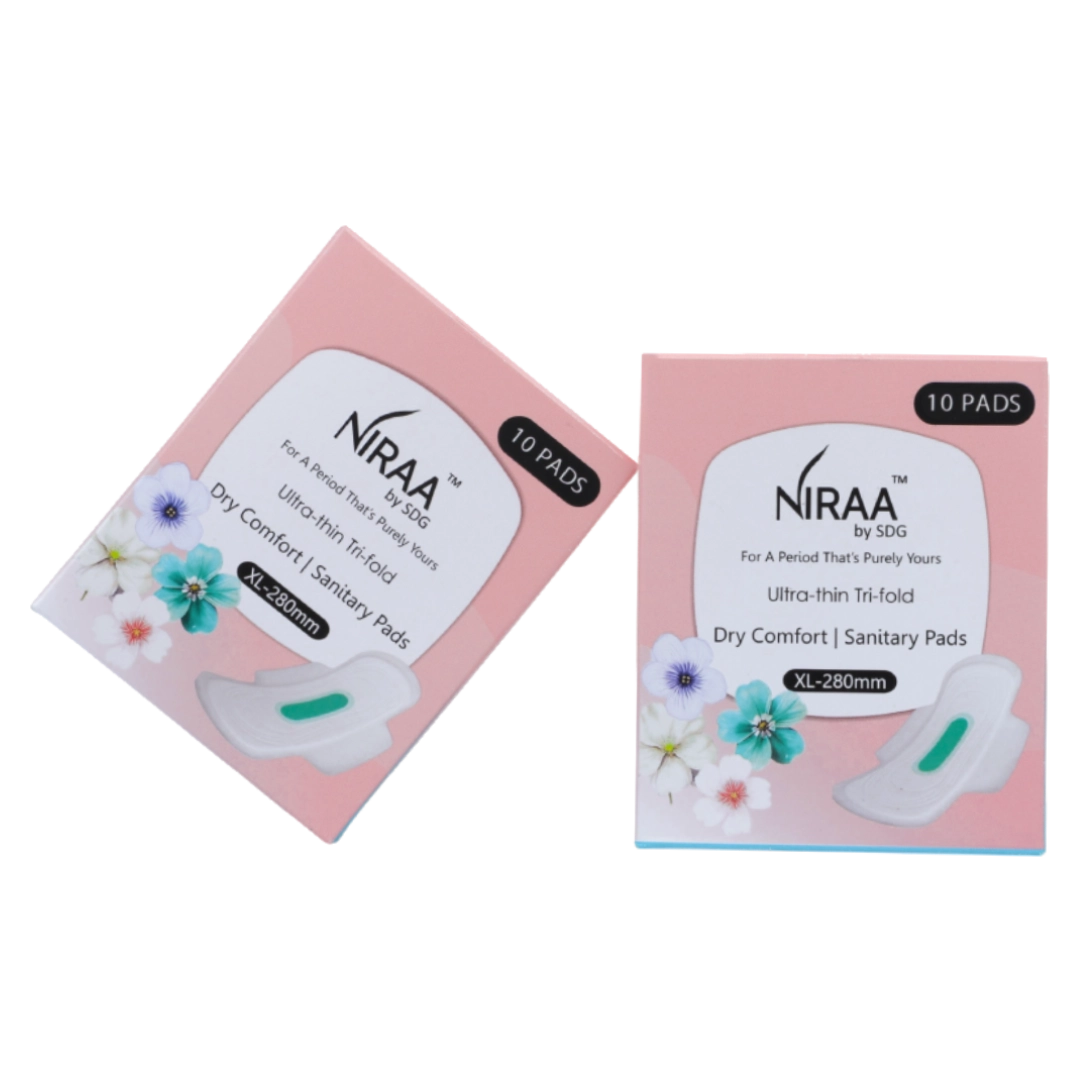
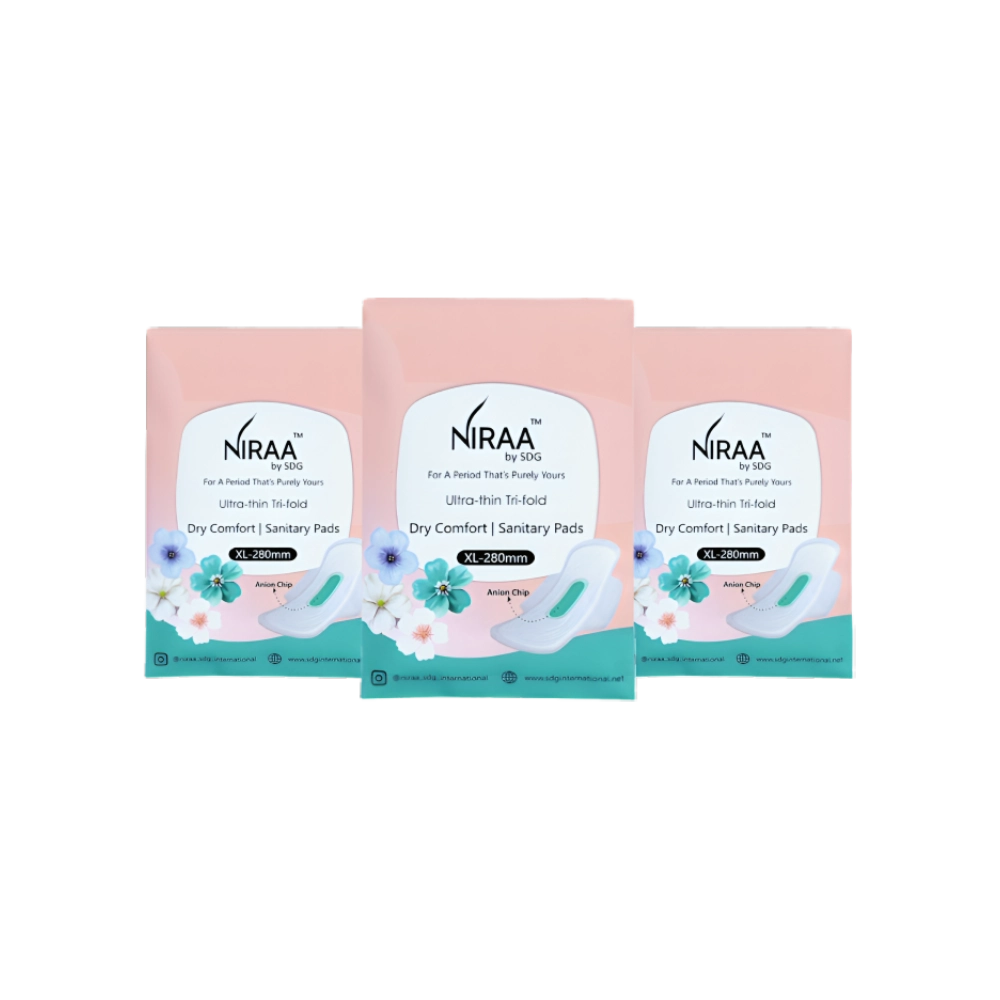
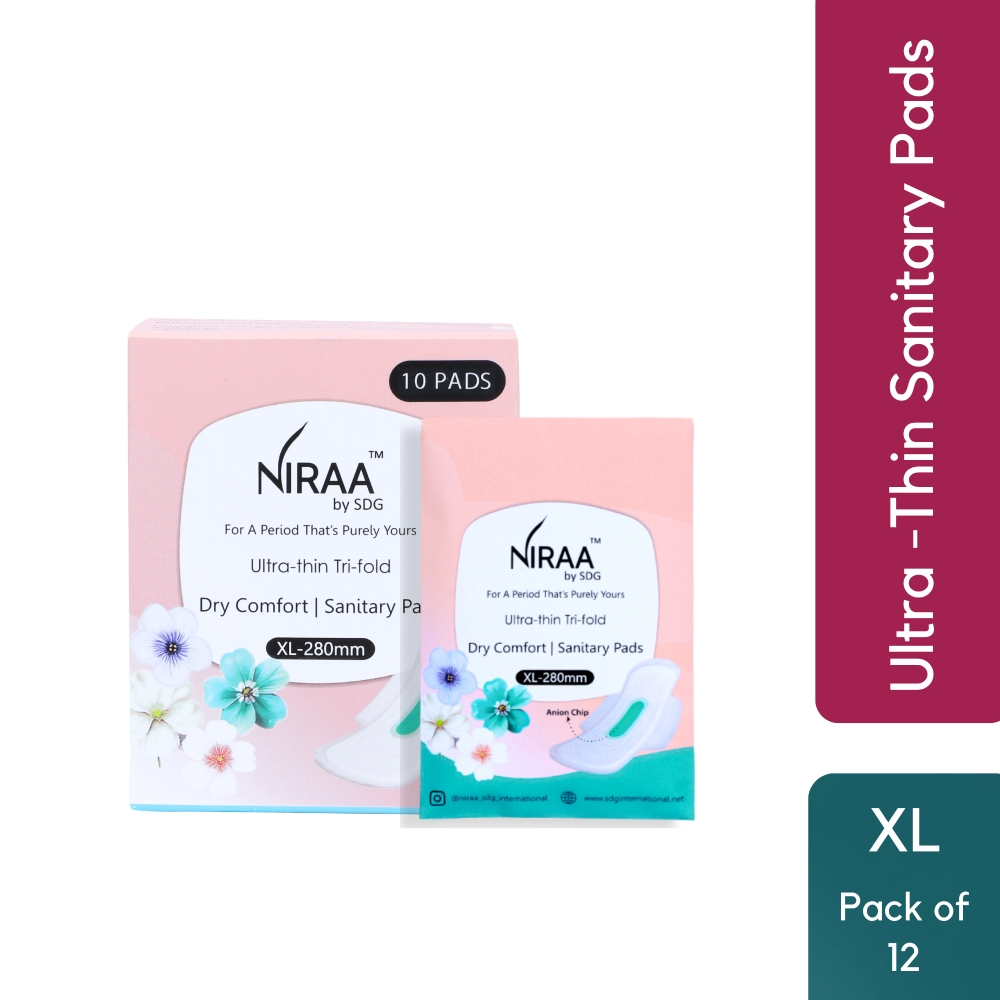
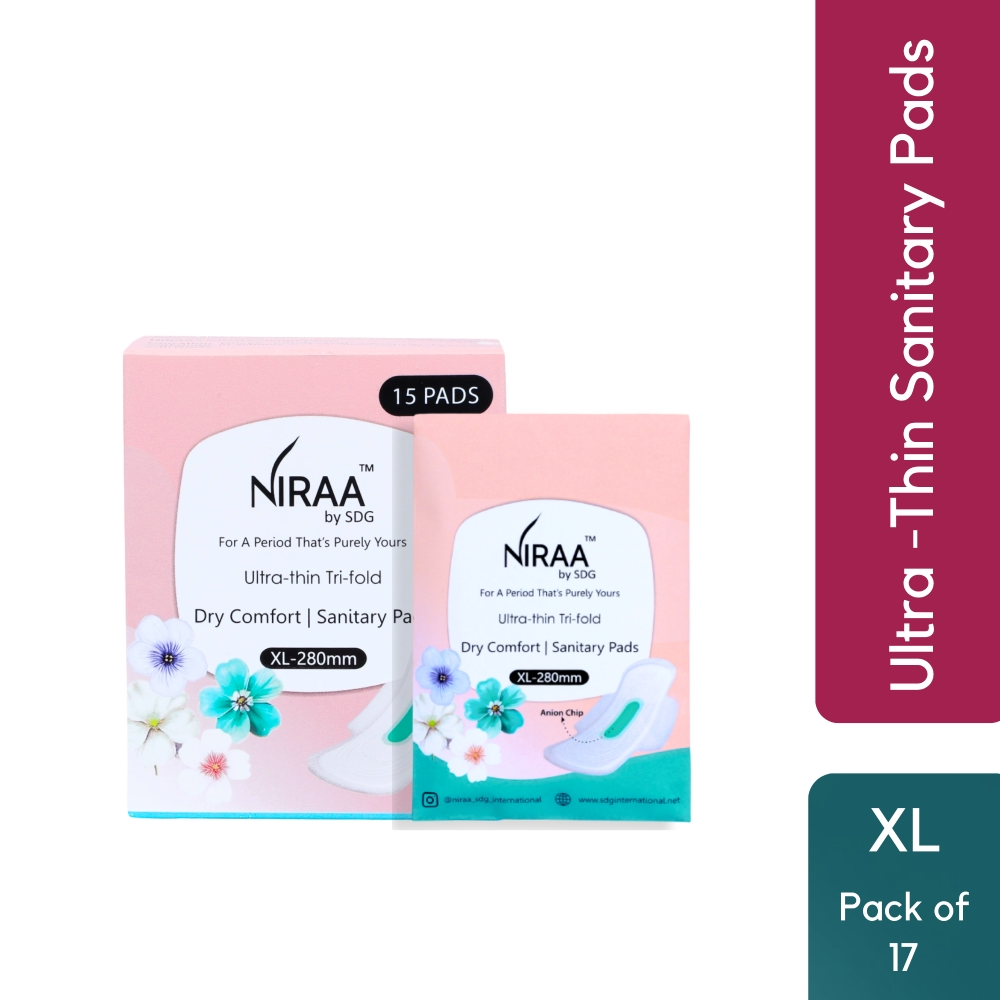
Options like anion chip sanitary pads are designed to support comfort and freshness during your period.
Choose Regular Pads If:
- You are looking for an affordable option for daily use
- You are able to change pads frequently throughout the day
- You do not usually face irritation or odor-related concerns
- You prefer simple and familiar menstrual products
For everyday comfort, you can consider options like straight sanitary pads L size for moderate flow or straight sanitary pads with double wings XL size for heavier flow days, depending on your needs.
Cost Comparison: Anion Pads vs Regular Pads
Price is an important factor when choosing any menstrual hygiene product. While both anion pads and regular pads serve the same basic purpose, their cost can vary based on features and materials.
| Type | Cost | Value |
|---|---|---|
| Anion Pads | Slightly higher | Added hygiene and comfort features |
| Regular Pads | Lower | Affordable option for daily use |
Anion pads are usually priced a bit higher because of the additional technology and design elements. However, some users find the extra comfort and freshness worth the cost, especially during long wear hours.
Regular pads, on the other hand, remain a practical choice for everyday use due to their affordability and wide availability.
Are Anion Pads Safe and Eco-Friendly?
When choosing menstrual products, safety and environmental impact are important factors along with comfort and performance. Many users today also look for products that are gentle on the skin and mindful of long-term use.
Skin Safety Considerations
Anion pads are generally designed to be skin-friendly, especially as many of them avoid added fragrance that can cause irritation. In most anion pads, the anion strip is placed within the inner layers and does not come in direct contact with the skin.
However, every individual’s skin is different, so it is important to choose products that suit your comfort and to change pads regularly to maintain hygiene.
Environmental Impact
Like most disposable sanitary pads, both anion and regular pads are not fully biodegradable. The environmental impact depends on the materials used and how the product is disposed of.
Being mindful of usage and disposal practices, along with choosing products made with safer materials, can help reduce the overall environmental impact.
Common Myths About Anion Pads
With increasing awareness around menstrual products, anion pads are often surrounded by mixed information. Clearing these misconceptions can help you make a more informed decision.
Do They Cure Infections?
No, anion pads do not cure infections. They are hygiene products designed to support comfort and freshness during periods. If you experience any medical condition or infection, it is always best to consult a healthcare professional.
Do They Reduce Period Pain?
There is no scientific evidence to confirm that anion pads can reduce menstrual cramps or pain. While some users may feel more comfortable using them, this should not be considered a medical benefit.
Are They Necessary for Everyone?
Anion pads are not essential for everyone. The choice depends on individual needs, preferences, and lifestyle. Regular pads can also work well when used correctly and changed at the right intervals.
Do Anion Pads Contain Medicine or Chemicals?
No, anion pads do not contain medicine. The anion strip releases negative ions through a natural process when it comes in contact with moisture. This is a physical technology, not a chemical or pharmaceutical treatment.
Are Anion Pads Only for Heavy Flow?
Anion pads are available in different sizes suitable for all flow types, from light to heavy. The anion technology works the same regardless of flow level, so you can choose the size that matches your period needs.
Do They Work Instantly?
Anion pads work throughout the time you wear them, not instantly. The odor control and freshness benefits develop as the pad absorbs moisture and the anion strip releases negative ions. This is a continuous process during wear, not an immediate effect.
What Matters More Than the Type of Pad
While choosing between anion pads and regular pads is important, your overall period comfort depends on more than just the product you use. Daily hygiene habits and the way you manage your menstrual care play a major role in preventing discomfort.
- Changing your pad every 4 to 6 hours is generally recommended to help reduce the risk of odor and irritation
- Choosing the right size based on your flow ensures better protection and comfort
- Maintaining proper hygiene during your period supports overall skin health
- Using breathable products can help reduce discomfort in humid conditions
You can also explore how often you should change your pad in our detailed blog on pad changing frequency
How to Choose the Right Sanitary Pad for Your Needs
Choosing the right sanitary pad depends on your individual needs, flow, and daily routine. Instead of following trends, it is important to focus on what feels comfortable and practical for you during your period.
Based on Flow (Light / Heavy)
Your flow can vary throughout your cycle, so selecting the right size and absorbency level is important. Lighter pads may work well for the beginning or end of your period, while larger sizes are more suitable for heavy flow days or overnight use.
Based on Skin Sensitivity
If you have sensitive skin or experience irritation, choosing pads made with soft and breathable materials can help improve comfort. Fragrance-free options are often preferred to reduce the chances of skin reactions.
Based on Lifestyle (Travel, Work, Long Hours)
Your daily routine also plays a role in choosing the right pad. If you spend long hours outside or have limited access to washrooms, you may prefer pads that offer extended comfort and better moisture management.
Understanding these factors can help you make a more informed choice that supports your comfort throughout the day.
FAQs
Are anion pads better than regular pads?
Anion pads offer additional features such as improved freshness and comfort, especially during long wear hours. However, whether they are better depends on your personal needs, skin sensitivity, and daily routine.
Are anion pads safe for daily use?
Yes, anion pads are generally safe for daily use. They are designed to be skin-friendly, and the anion strip is placed within the inner layers of the pad. It is still important to change pads regularly to maintain hygiene.
Do anion pads help with odor?
Anion pads are designed to support odor control by addressing the conditions that cause it, such as moisture and bacterial activity. This can help you feel fresher for longer periods.
Can teenagers use anion pads?
Yes, anion pads can be used by teenagers as well. The choice should depend on comfort, skin sensitivity, and ease of use.
Are anion pads worth the price?
Anion pads are usually priced slightly higher than regular pads due to their added features. Some users find the extra comfort and freshness beneficial, especially during long days.
Do anion pads reduce rashes?
They may help reduce the chances of irritation for some users, especially if they are made with breathable and fragrance-free materials. However, results can vary based on individual skin type and usage habits.
Final Verdict: Should You Switch to Anion Pads?
There is no one-size-fits-all answer when it comes to choosing between anion pads and regular pads. Both options are designed to support menstrual hygiene, but the right choice depends on your individual needs and preferences.
If you are looking for added comfort, better freshness during long hours, or have sensitive skin, anion pads can be a good option to explore. On the other hand, regular pads continue to be a reliable and affordable choice for everyday use when changed regularly.
Ultimately, your period care should be based on what makes you feel comfortable, confident, and supported throughout the day.