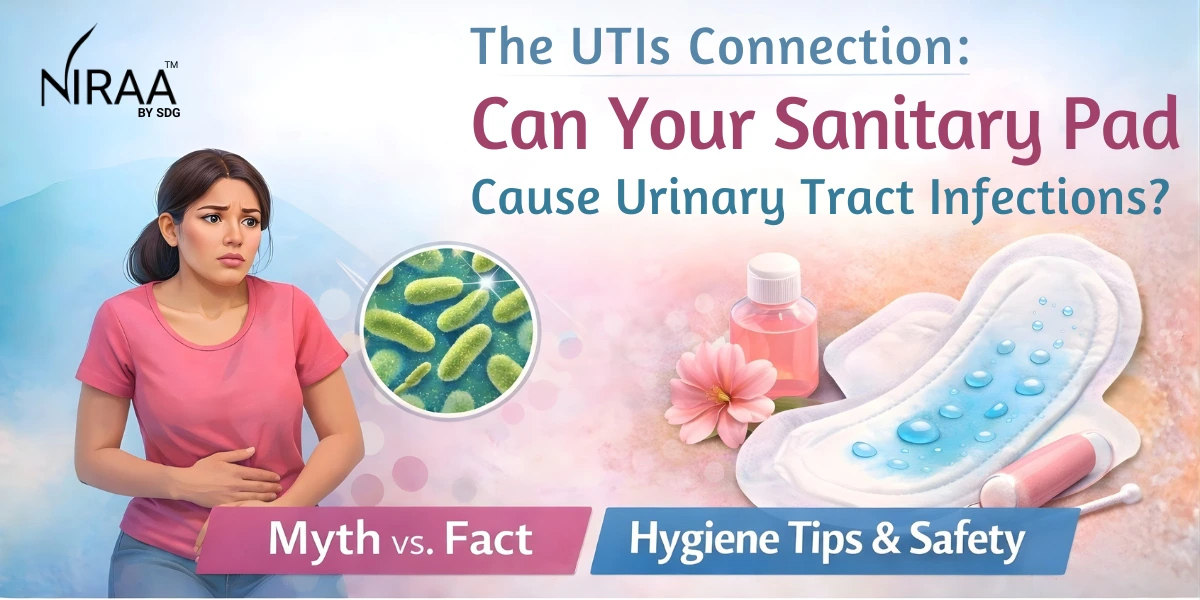
Urinary tract infections are a common concern for many women, especially UTIs during periods, when daily hygiene routines may change. This often leads to questions about menstrual care, intimate hygiene, and the role of sanitary pads during menstruation.
Menstrual hygiene and UTIs are closely connected. Wearing a pad for too long, delaying pad changes, or neglecting basic hygiene practices can increase moisture and discomfort around the intimate area, which may raise the risk of irritation or infection during periods.
In this blog, we explore the real connection between sanitary pads and UTIs. You will learn about common myths, hygiene habits that truly matter, and practical ways to stay comfortable and confident throughout your menstrual cycle.
What Is a Urinary Tract Infection (UTI)?
A urinary tract infection, commonly known as a UTI, is an infection that occurs when harmful bacteria enter the urinary system. This system includes the urethra, bladder, ureters, and kidneys. In most cases, UTIs in women affect the bladder and urethra.
So, what is UTI in women? It usually begins when bacteria, most commonly Escherichia coli, move from the digestive tract toward the urinary opening and travel upward. These bacteria are the main urinary tract infection causes, not menstrual products or sanitary pads.
Women are more prone to UTIs because their urethra is shorter and located closer to the anal area. This makes it easier for bacteria to reach the urinary tract, especially when hygiene practices are not followed properly.
Common UTI symptoms in females include a burning sensation while urinating, a frequent urge to urinate, passing small amounts of urine, cloudy or strong smelling urine, and discomfort in the lower abdomen. Identifying these signs early helps in seeking timely medical care and preventing complications.
Do Sanitary Pads Directly Cause UTIs? Myth vs Fact

A common concern among women is whether using sanitary pads can lead to urinary tract infections. This belief has led to many myths about UTIs and periods, especially during menstruation.
So, do sanitary pads cause UTIs? The answer is no. Sanitary pads do not directly cause urinary tract infections. UTIs occur when bacteria enter the urinary tract, not because of menstrual products.
Sanitary pads are designed to absorb menstrual flow and support hygiene during periods. When used correctly, they do not introduce bacteria into the urinary system. The presence of bacteria is linked to personal hygiene practices, not the pad itself.
The confusion usually arises when UTIs occur during periods. This timing often leads women to assume that pads are responsible. In reality, factors such as hygiene habits, moisture buildup, and delayed pad changes play a role, which will be explained further in the next section.
Understanding this difference helps clear unnecessary fear. Sanitary pads are safe to use, and UTIs are preventable when correct hygiene practices are followed.
How Improper Pad Usage Can Increase UTI Risk
While sanitary pads do not directly cause urinary tract infections, improper usage can increase the risk of bacterial growth around the intimate area. This is where improper pad use increases UTI risk, especially during periods.
One common issue is wearing a sanitary pad for too long. When pads are not changed regularly, moisture and warmth build up close to the urinary opening. This creates an environment where bacteria can grow more easily.
Many women are unsure how often to change sanitary pads. In general, pads should be changed every 4 to 6 hours, even on lighter flow days. Delaying pad changes increases moisture exposure and discomfort.
Menstrual blood can also temporarily affect the natural balance of the intimate area. When combined with prolonged pad usage and poor hygiene, this can make the area more sensitive and vulnerable to irritation or infection.
By changing pads on time and maintaining basic hygiene habits, the chances of urinary discomfort and infections during periods can be reduced significantly.
Hygiene Habits That Matter More Than the Pad
When it comes to preventing urinary tract infections during periods, daily hygiene habits are more important than the type of sanitary pad used. Following the right practices helps reduce discomfort and supports UTI prevention during menstruation.
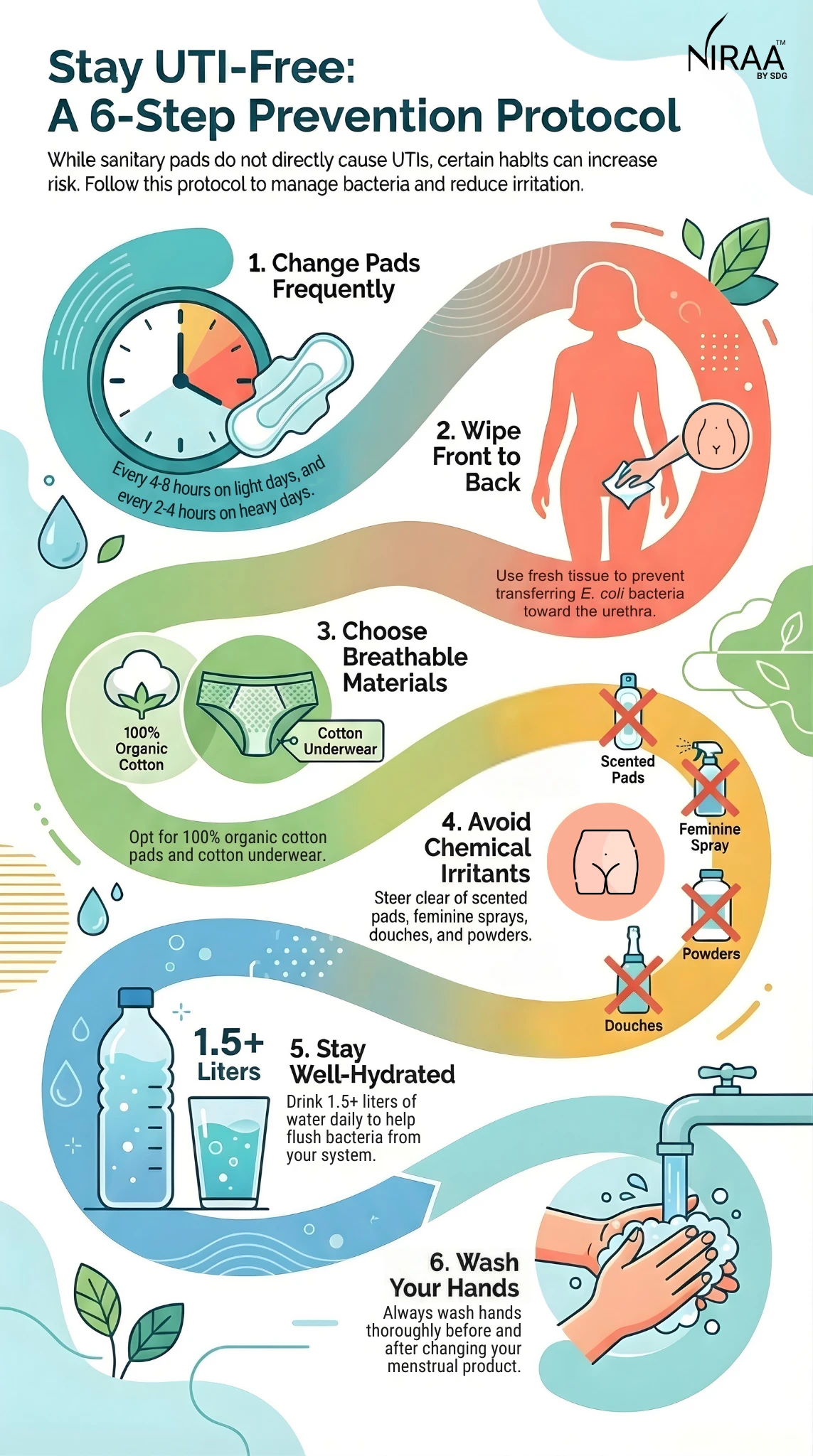
Wash your hands during every pad change
Always wash your hands before and after changing a sanitary pad. This helps prevent bacteria from spreading to the intimate area and supports better personal hygiene and UTI prevention.
Follow the correct wiping direction
After using the toilet, wiping from front to back reduces the transfer of bacteria from the anal area toward the urinary opening. This simple habit plays a key role in how to prevent UTIs during periods.
Wear breathable underwear
Cotton underwear allows airflow and helps reduce moisture buildup around the intimate area. Breathable fabrics create a healthier environment and limit bacterial growth during menstruation.
Stay well hydrated
Drinking enough water supports regular urination, which helps flush bacteria out of the urinary tract naturally and supports overall urinary health.
By following these menstrual hygiene tips, women can significantly lower the risk of infections and feel more confident throughout their menstrual cycle.
Choosing the Right Sanitary Pad for Better Comfort
Choosing the right sanitary pad plays an important role in maintaining comfort and hygiene during periods. While pads do not cause UTIs, selecting products that suit your body can support better menstrual care.
Choose breathable and comfortable pads
Pads that allow airflow help reduce moisture buildup around the intimate area. Many women prefer breathable sanitary pads for women as they support comfort and reduce irritation during long hours of wear.
Avoid scented sanitary pads
Fragrances added to pads may cause irritation or sensitivity for some women. Using unscented sanitary pads is generally a safer option to maintain natural balance and comfort during periods.
Focus on dryness and timely changes
A pad that absorbs well and feels dry helps reduce discomfort. Changing pads regularly supports hygiene and is an important factor when choosing the best sanitary pads for hygiene.
Pick pads designed for daily comfort
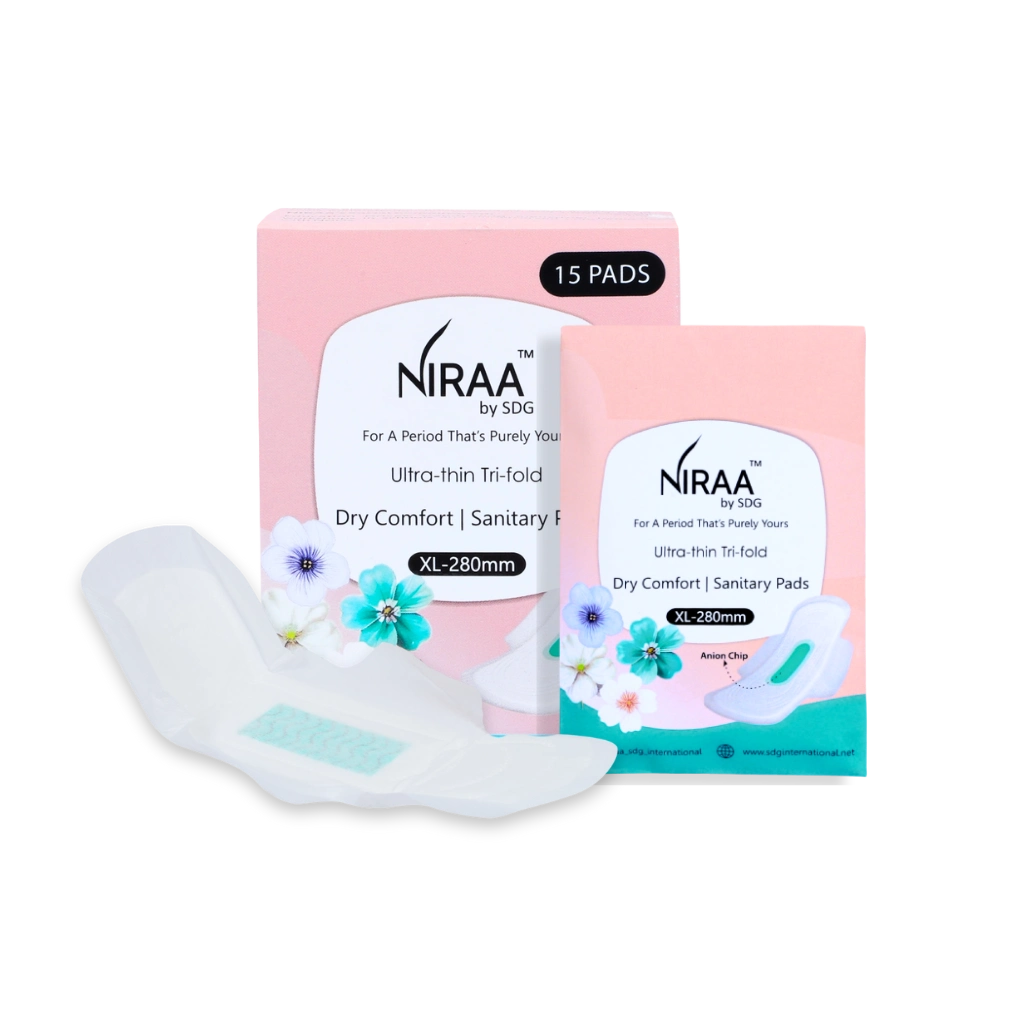
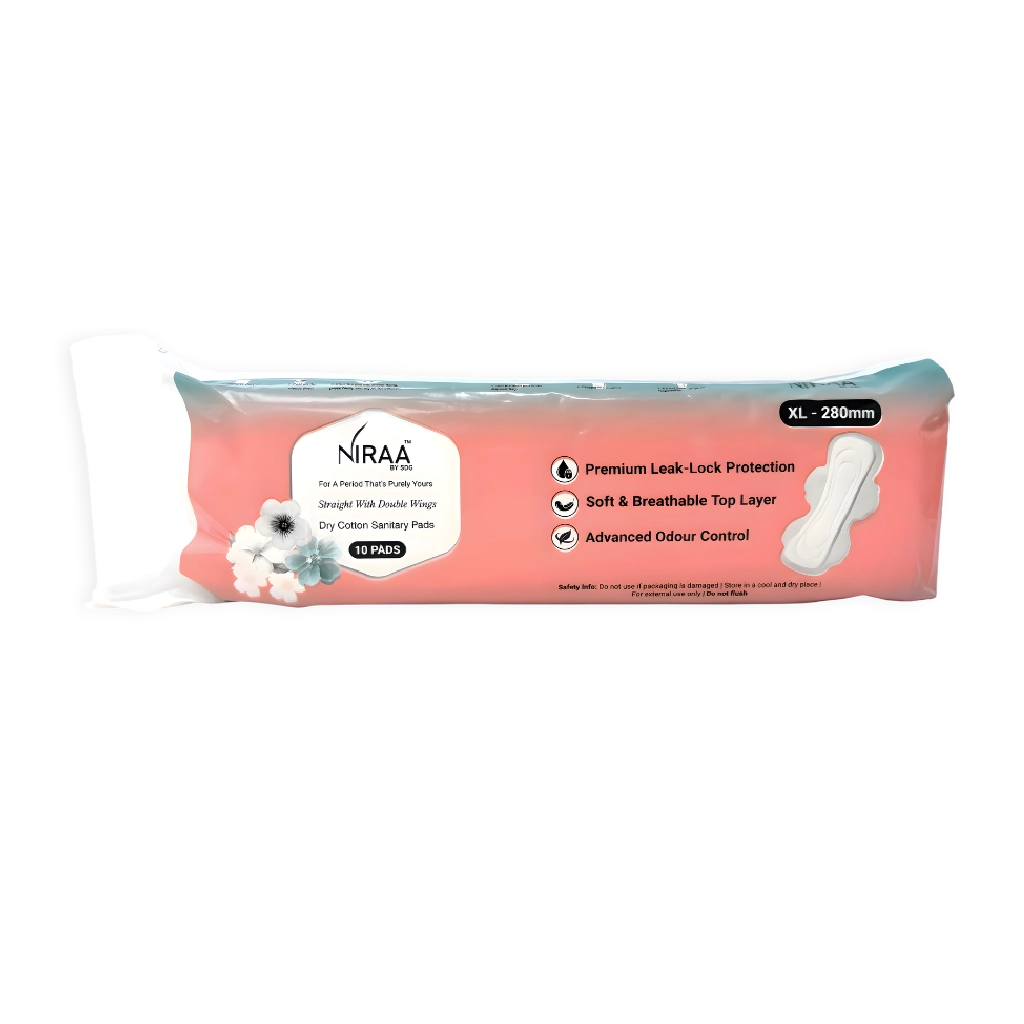
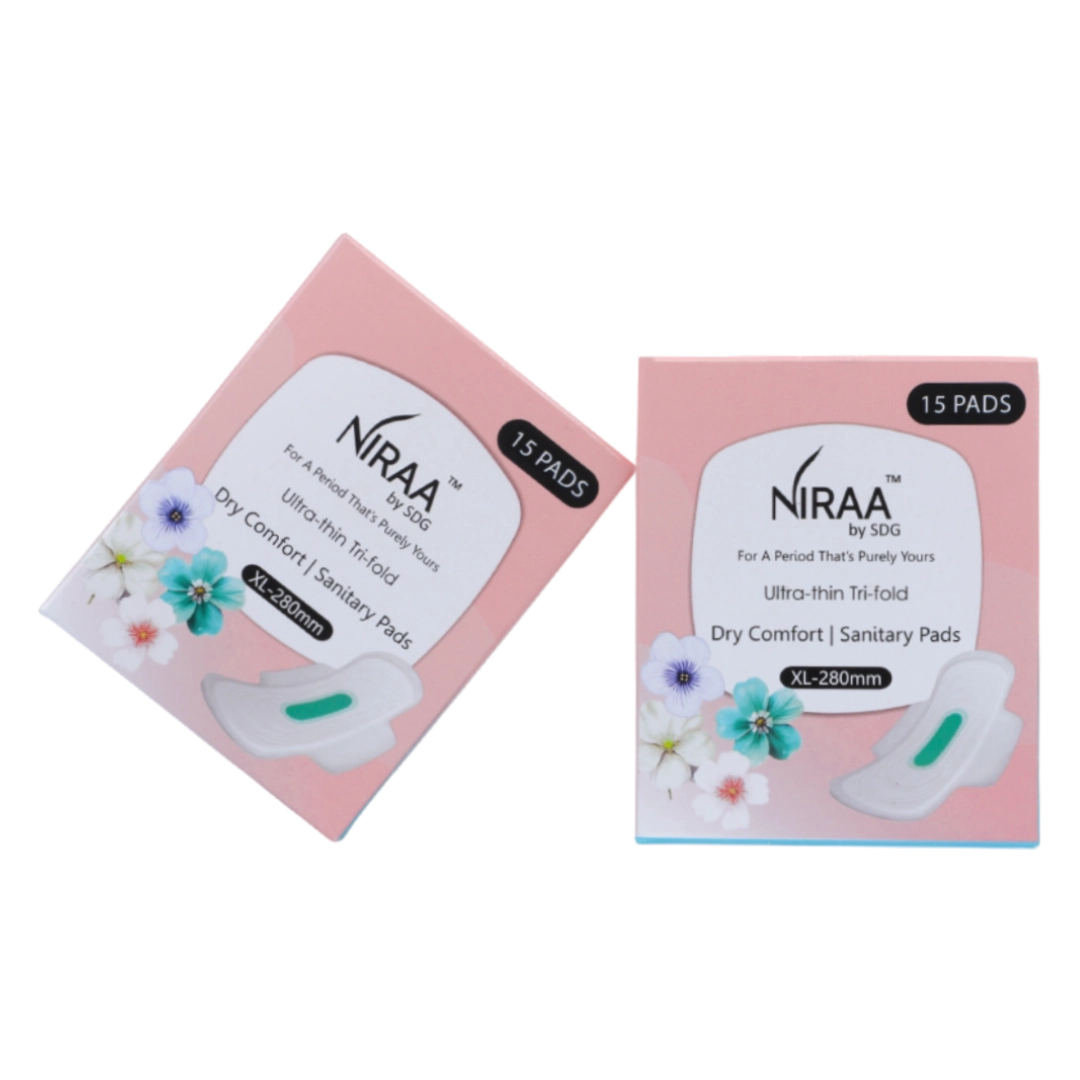
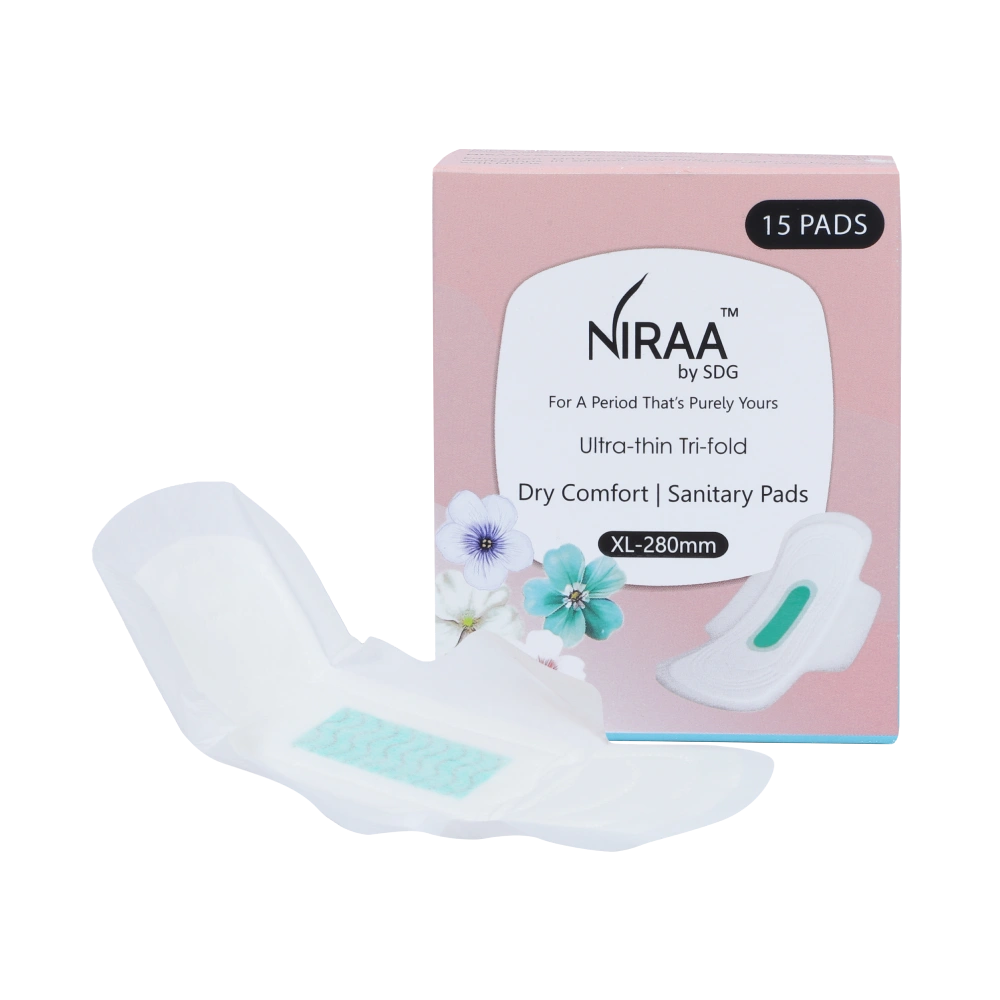
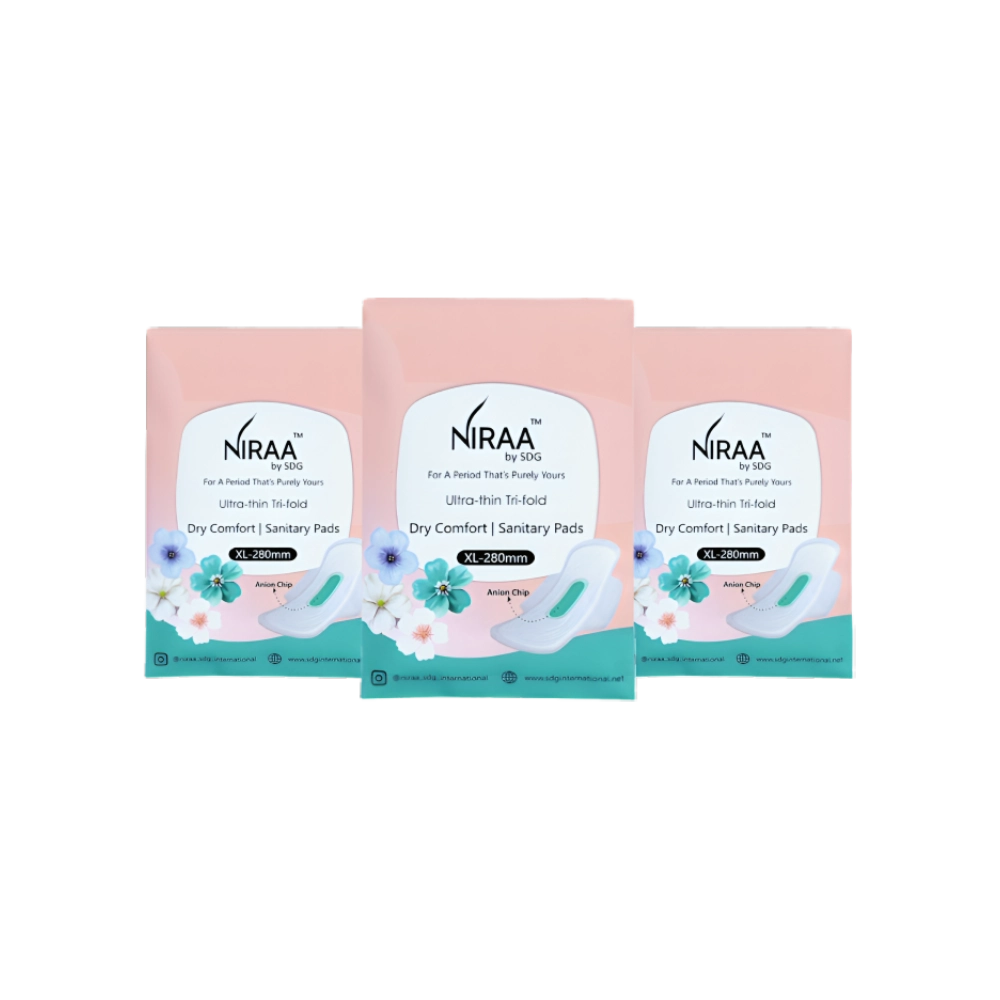
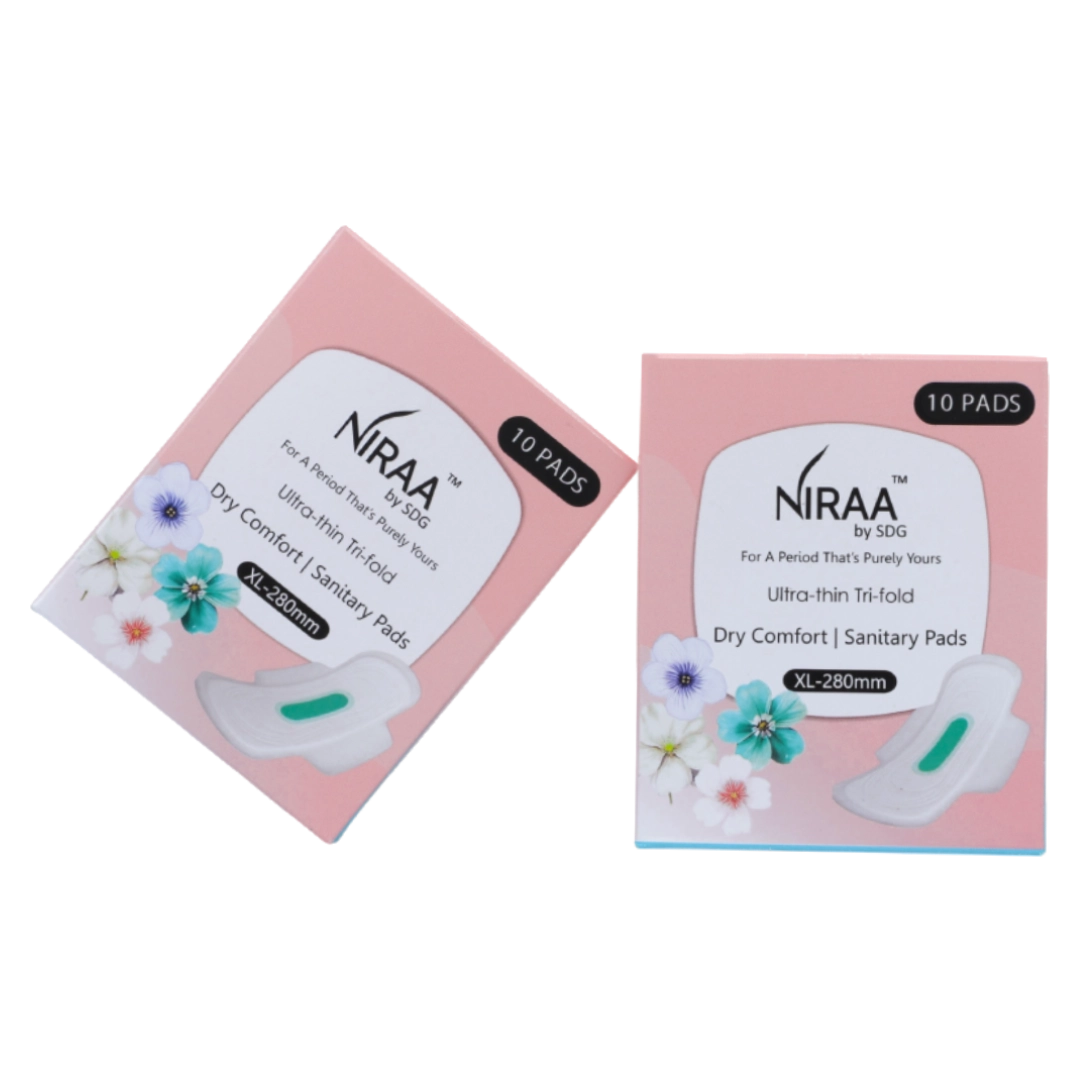
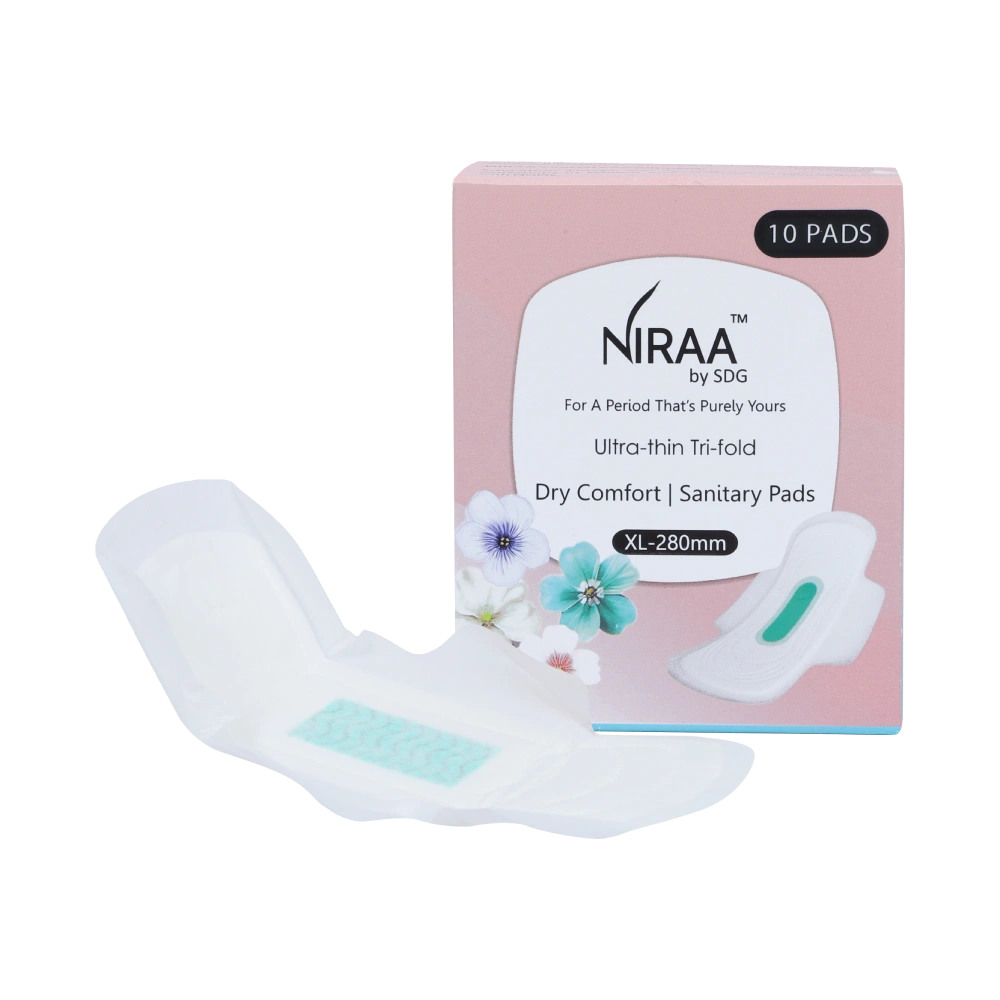
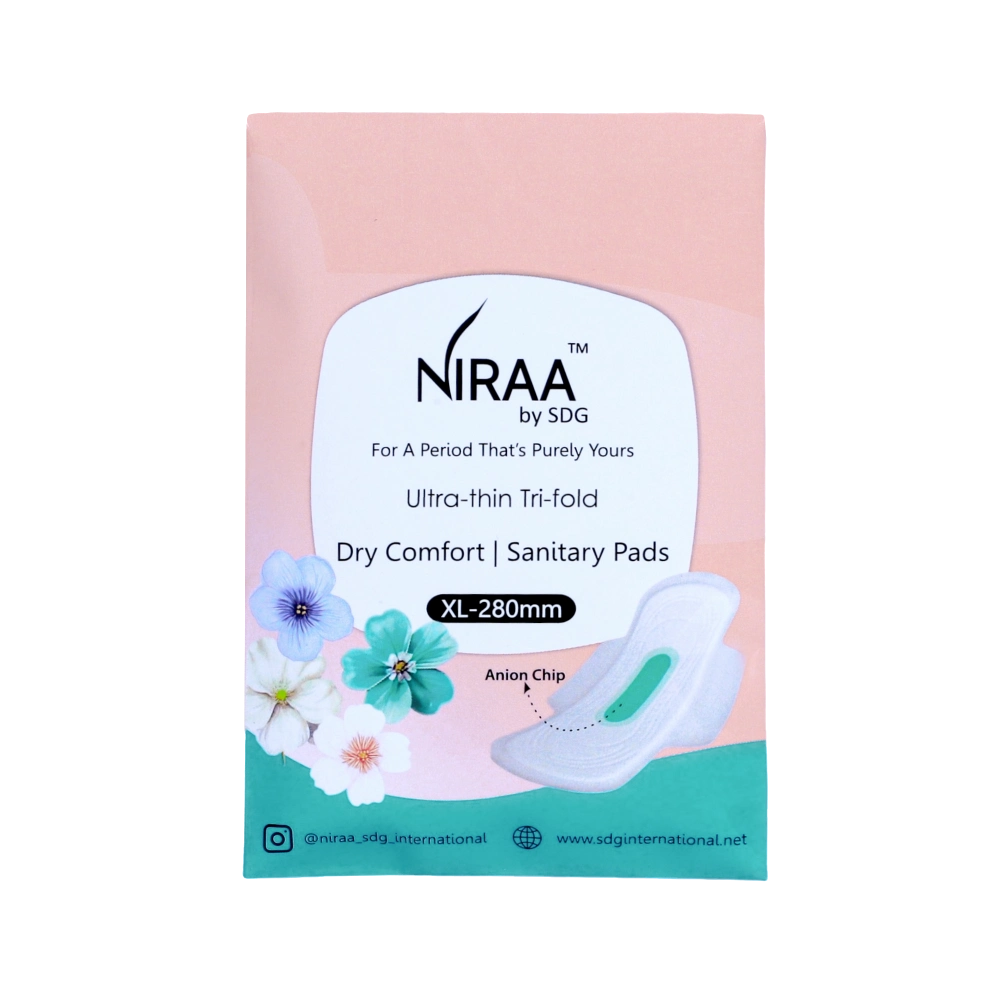
Lightweight, flexible pads that are easy to carry support better period management, especially during work or travel. Comfort focused options, like those offered by NIRAA, are designed to support everyday hygiene needs without compromising ease of use.
By choosing the right sanitary pad and following good hygiene habits, women can create a more comfortable and stress free period experience.
When to Visit a Doctor
While many urinary tract infections are mild, certain symptoms should not be ignored. Knowing UTI symptoms and when to see a doctor helps protect your urinary health and prevents complications.
Burning or pain while urinating
A persistent burning sensation or pain while passing urine may indicate a urinary tract infection that needs medical evaluation.
Frequent urge to urinate with little output
If you feel the need to urinate often but pass only small amounts of urine, it can be a sign of irritation or infection in the urinary tract.
Cloudy or strong smelling urine
Changes in urine color or odor are common UTI symptoms in women and should be checked by a healthcare professional.
Lower abdominal pain or fever
Pain in the lower abdomen, back discomfort, or fever may suggest that the infection is spreading and requires prompt medical attention.
Repeated UTIs
If you experience recurring UTIs in women, it is important to consult a doctor to identify the underlying cause and receive appropriate treatment.
Early diagnosis and proper UTI medical treatment advice from a qualified healthcare professional help prevent the infection from worsening and support long term urinary health.
Conclusion: Smart Hygiene Makes the Difference
Sanitary pads do not cause urinary tract infections when they are used correctly. UTIs develop when bacteria enter the urinary tract, and not because of menstrual products themselves.
What truly matters is maintaining proper hygiene during periods. Changing pads on time, following correct cleaning habits, and staying hydrated play a key role in reducing discomfort and infection risk. Menstrual hygiene and UTIs are closely linked, and small daily habits can make a meaningful difference.
Choosing comfortable, breathable sanitary pads and avoiding scented products can further support healthy period care. When combined with simple hygiene practices, these choices help women feel confident and protected throughout their menstrual cycle.
Listening to your body and seeking medical advice when symptoms appear supports better urinary and menstrual health. With the right awareness and habits, periods can be managed in a healthy and stress free way.