Some days, you wake up feeling energetic, calm, and ready to take on the day. Other days, even simple tasks feel tiring, your mood feels low, or your body feels heavy and bloated. For many women, these ups and downs repeat every month, often without a clear reason.
These changes are not random. Your body follows a natural monthly rhythm linked to your menstrual cycle. As the cycle moves forward, energy levels, appetite, focus, and emotions shift too. This is why one week may feel productive while another feels slower, even when daily routines remain the same.
Unfortunately, many women grow up thinking they should feel the same every day. When their energy drops or their moods change, they may ignore these signals rather than understanding what their body is trying to say. Over time, this can lead to frustration and a disregard for important signals the body sends.
Learning to notice these patterns can make a meaningful difference. When you understand how your body feels at different times of the month, planning daily activities becomes easier and more balanced. Small adjustments in rest, food choices, and movement can support comfort and confidence throughout the cycle.
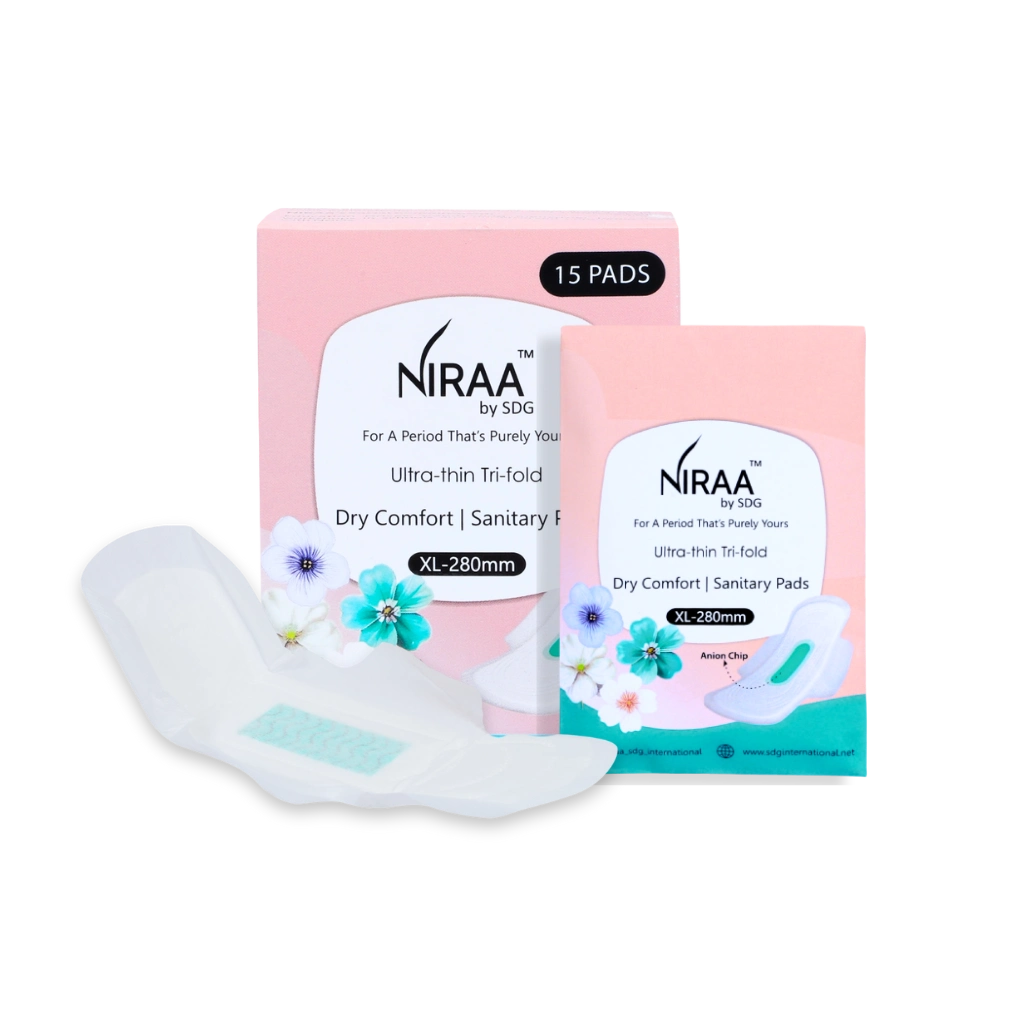
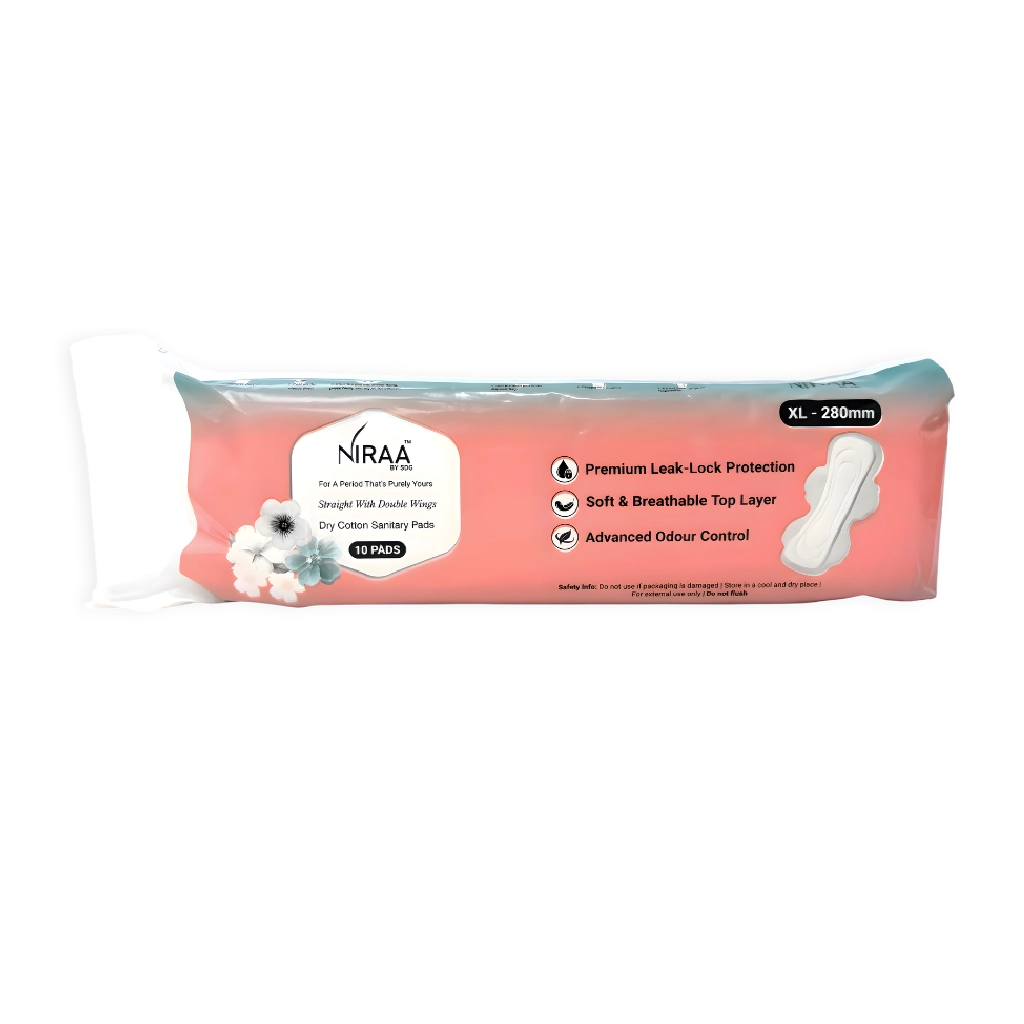
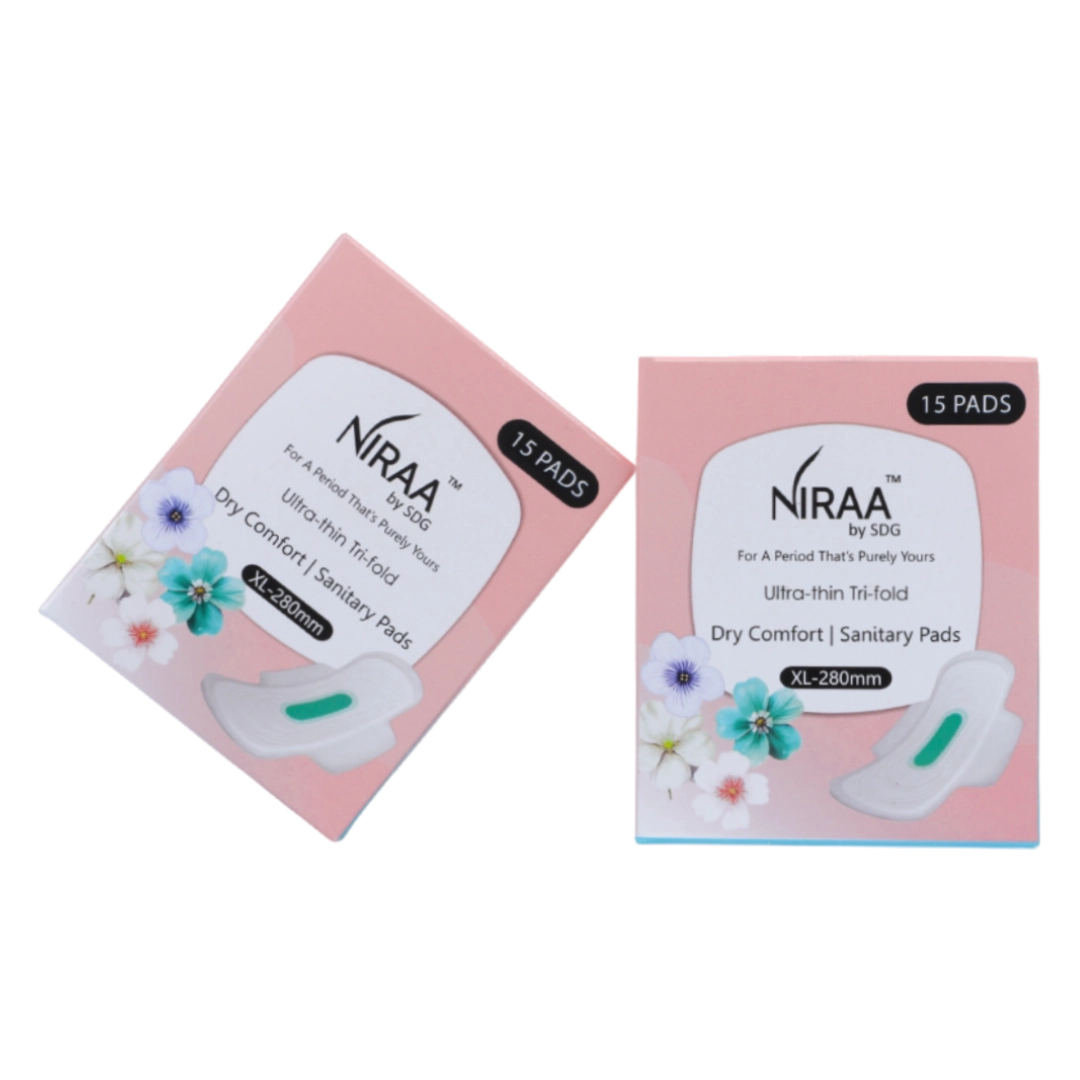
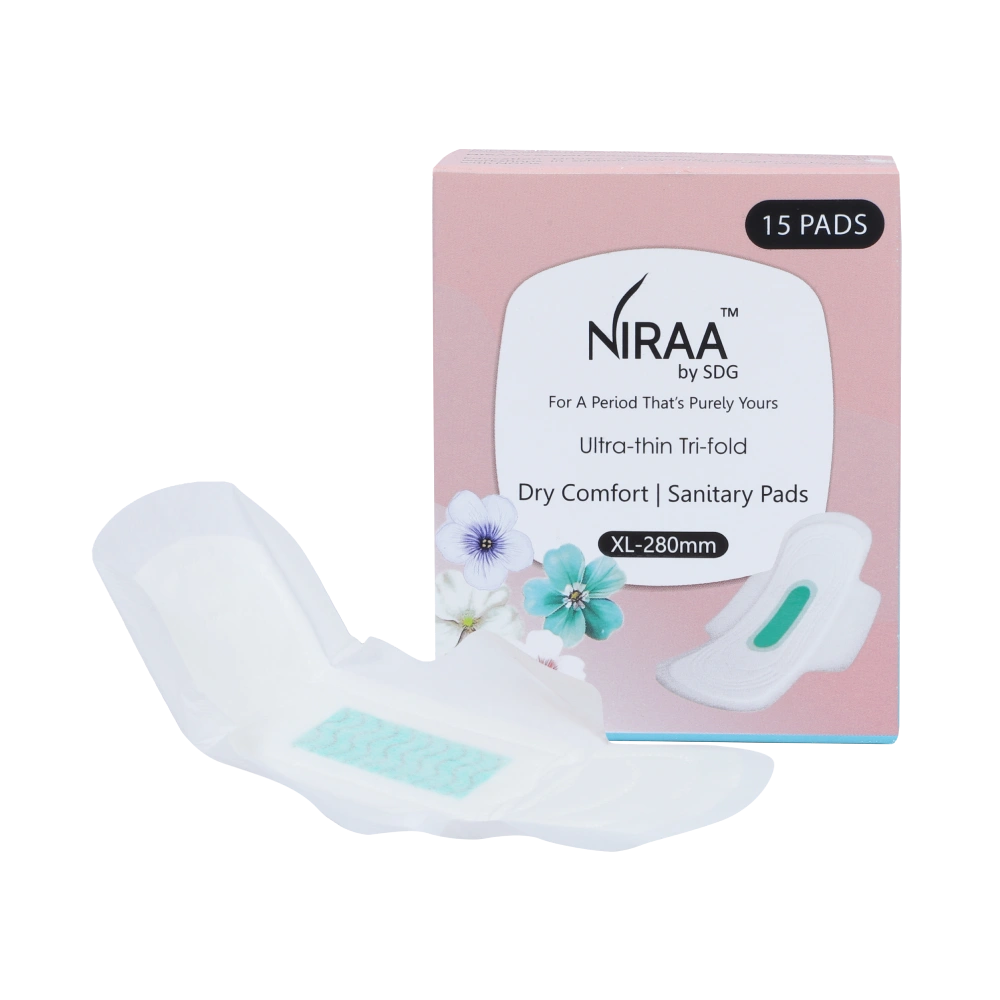
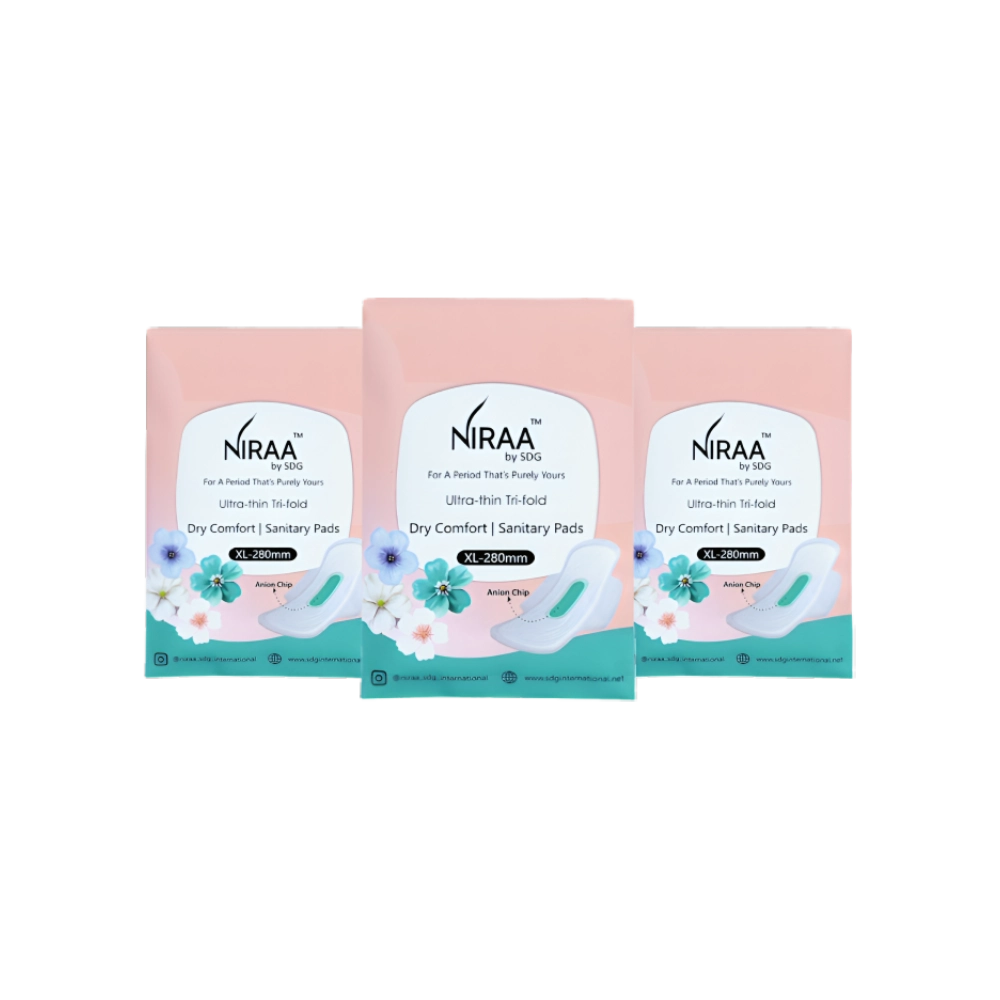
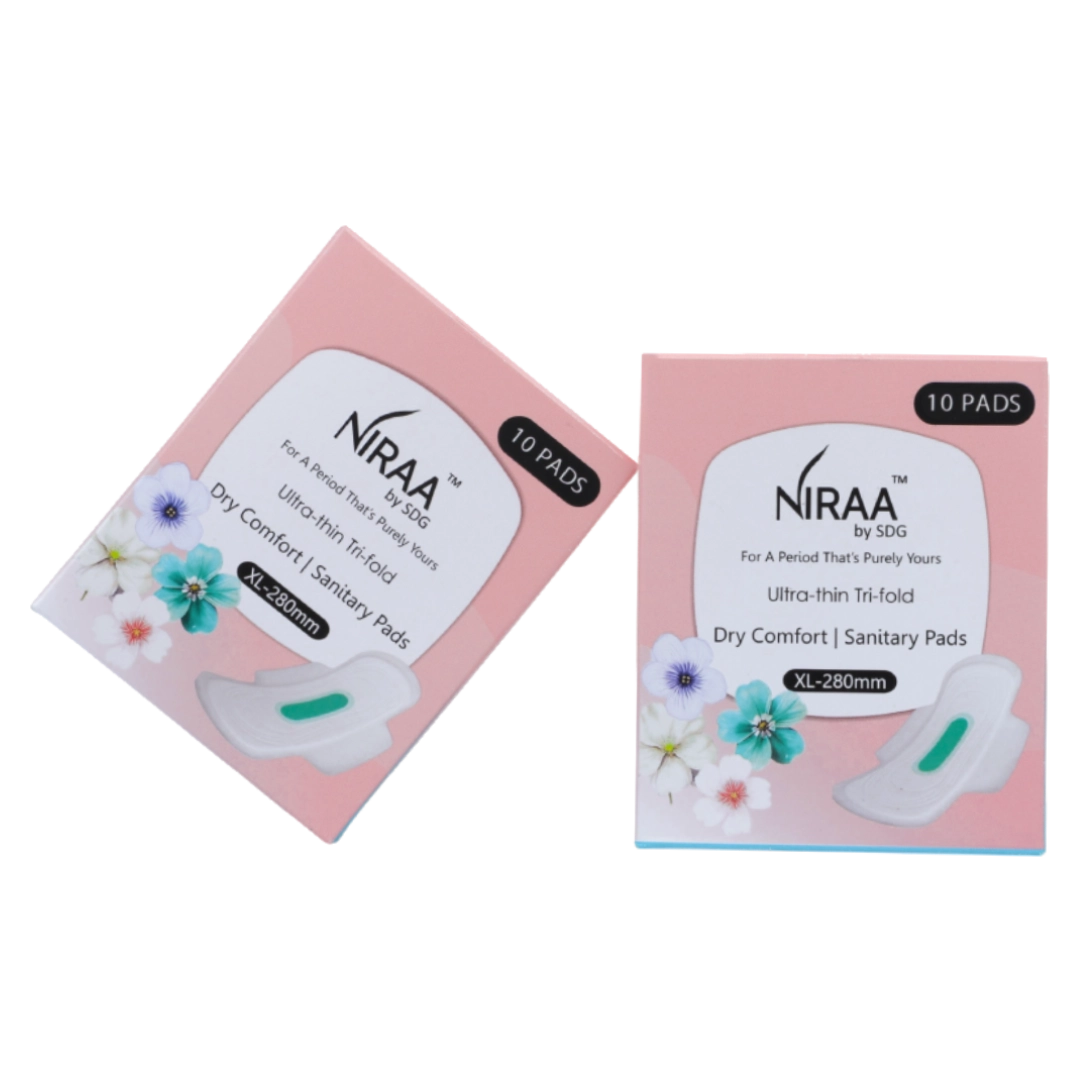
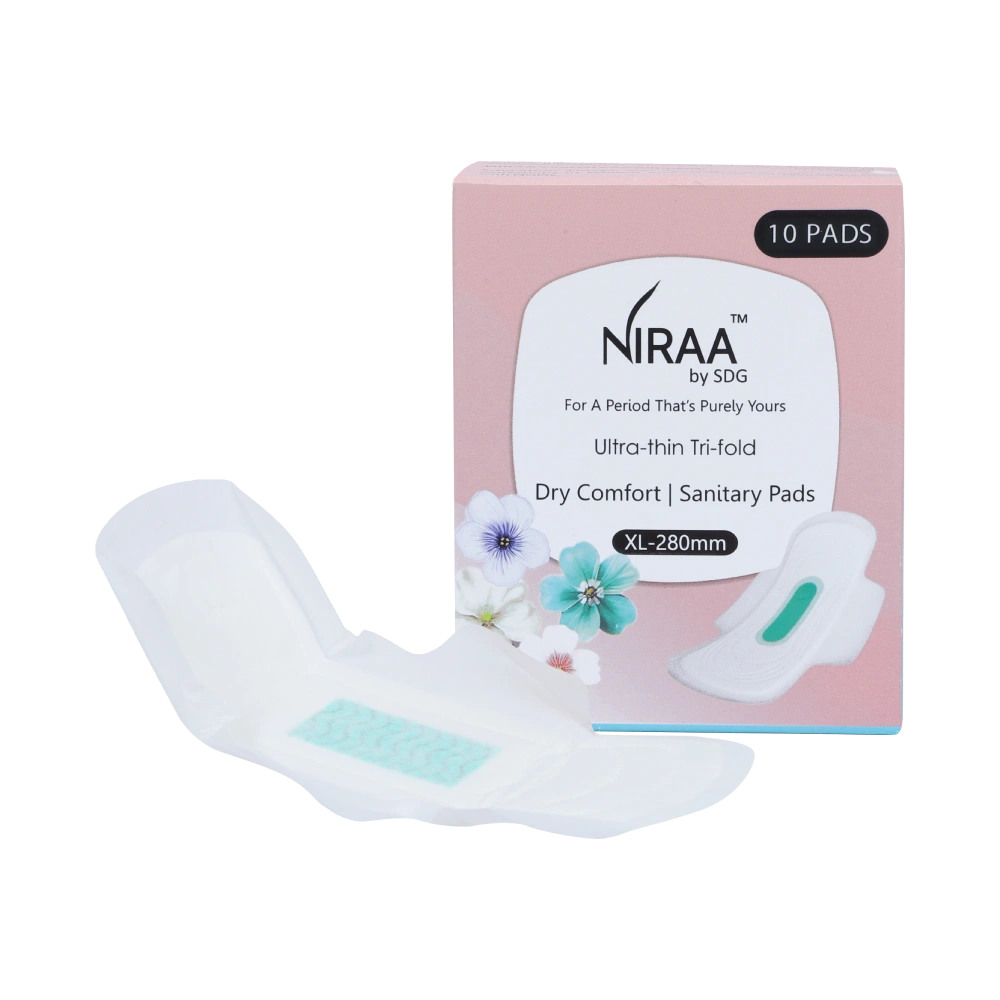
Comfort during periods also plays an important role in how these changes are experienced. Using soft and reliable protection helps reduce worry about leaks or irritation. NIRAA pads for periods, including ultra-thin options, are designed to provide dryness and comfort during all stages of the cycle, helping women move through the day with ease.
Your period is not a problem to fix. It is a rhythm to understand. Paying attention to these natural changes allows healthier habits to form over time.
What Is Cycle Syncing in Simple Words?
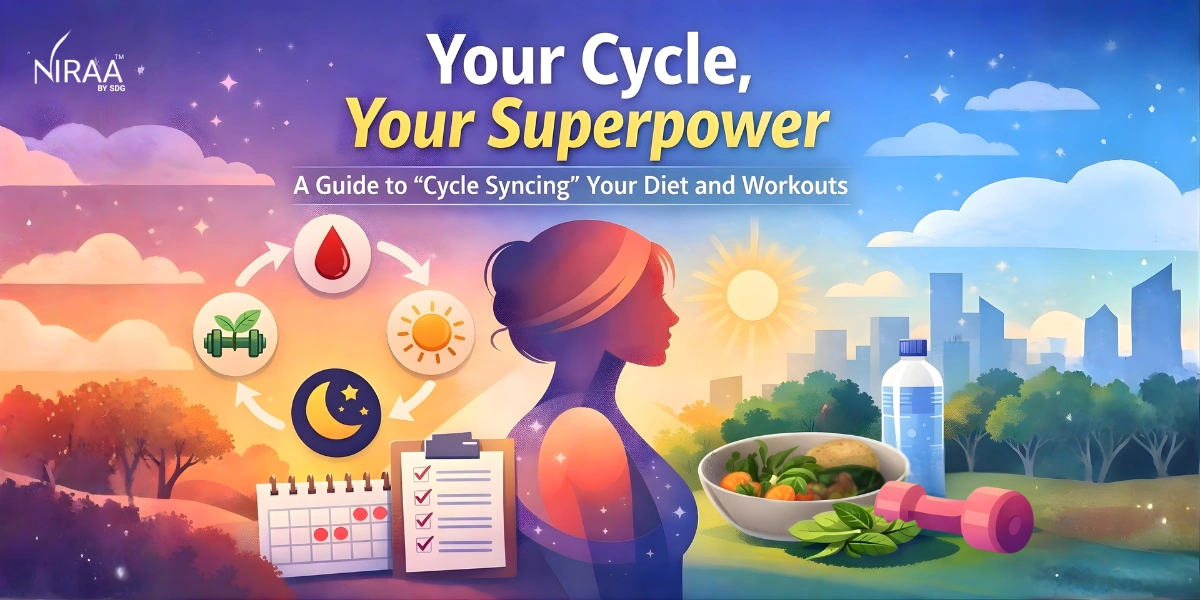
Cycle syncing means paying attention to your body’s monthly rhythm and making small adjustments to your daily routine. Instead of following the same diet or workout every day, it focuses on choosing food, movement, and rest based on how your body feels during different times of the month.
The menstrual cycle usually moves through four main stages, and each stage brings its own level of energy and focus. Some stages support rest and recovery, while others are better suited for strength, activity, and social engagement. Understanding these stages helps plan meals, workouts, and daily tasks in a more balanced way.
A healthy menstrual cycle can last anywhere between 21 and 35 days, and this range is completely normal. What matters most is noticing how your body responds during each phase rather than focusing on exact dates. This approach often includes a flexible period syncing diet and movement routine that supports daily comfort.
Cycle syncing encourages you to notice patterns such as:
- Days when you feel calm but tired
- Days when you feel motivated and active
- Days when cravings increase or emotions feel stronger
These changes happen because of natural hormone shifts in the body. You do not need to understand medical terms or complex charts to follow cycle syncing. Simply listening to your energy, mood, and comfort levels is enough.
Over time, many women find that this awareness makes monthly changes easier to manage and reduces confusion around their periods. Cycle syncing is not about strict rules. It is about making simple, supportive choices that align with the body’s natural rhythm.
The Four Menstrual Cycle Stages Explained (Month-by-Month)
Your menstrual cycle is not the same from start to end. It moves through four main stages, often called the monthly cycle stages, and each stage brings its own energy level, mood, and body needs. Understanding these stages helps explain why energy, focus, and comfort levels change throughout the month.
Each stage serves a purpose. Some stages support rest and recovery, while others encourage movement, strength, and focus. When daily habits align with these natural shifts, life can feel more balanced and manageable.
These stages repeat almost every month, but individual experiences may vary due to stress, sleep, food habits, and lifestyle. This is why awareness matters more than following strict routines. Cycle syncing supports flexibility and encourages working with the body instead of against it.
Below is a simple overview of the four menstrual cycle stages. The next sections will explore how to eat, move, and rest during each phase to support comfort and confidence throughout the month.
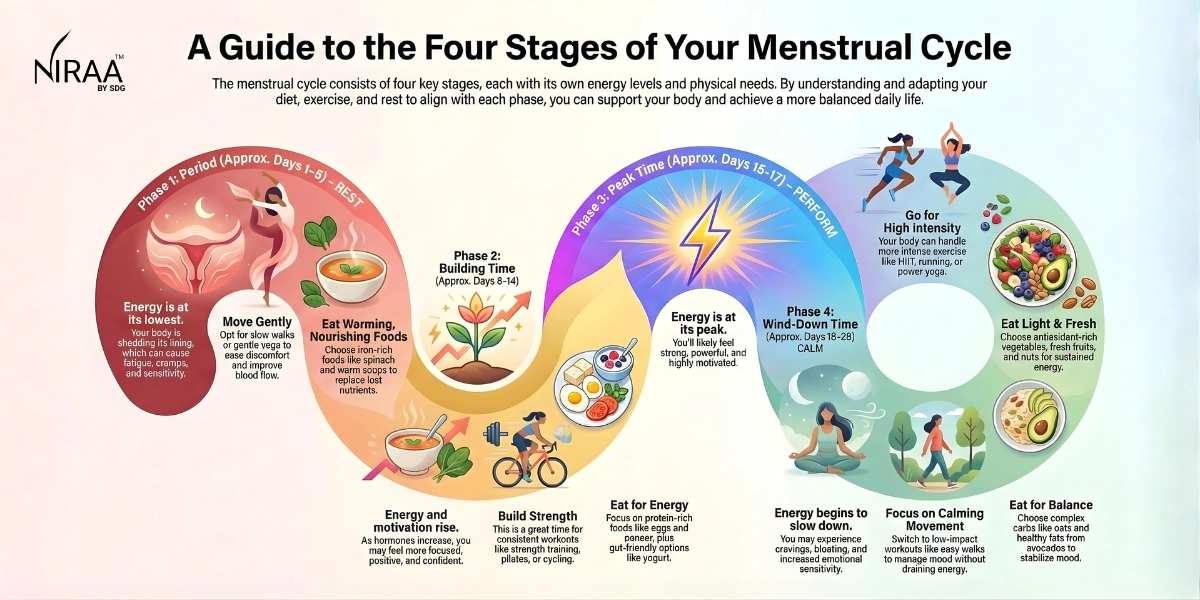
Period Phase (Days 1–5): How to Eat, Move & Rest During Your Period
The period phase begins on the first day of the menstrual cycle, when bleeding starts. During this time, the body sheds its uterine lining, and hormone levels are at their lowest. As a result, many individuals experience lower energy, physical discomfort, or increased sensitivity.
Reduced energy during this phase is a normal biological response. The body prioritises internal recovery, which is why rest and gentle support are recommended. This phase benefits from a slower pace and reduced physical strain.
Common Physical Experiences
- Lower energy levels
- Bloating or body heaviness
- Menstrual cramps or mild body aches
- Increased need for rest
Listening to these signals helps reduce discomfort and supports faster recovery.
Best Workouts During Period Days
Physical activity during this phase should remain light and supportive. This aligns with the period syncing exercise, where movement is adjusted based on cycle needs.
- Gentle yoga to relax muscles
- Short walks to support circulation
- Light stretching focused on the lower back and abdomen
If rest feels more beneficial than activity, limiting workouts during this phase is appropriate.
Nutritional Focus During Period Days
Food choices during this phase support recovery and nutrient balance as part of a period syncing diet.
- Iron-rich foods like spinach, dal, beetroot, and dates
- Magnesium-rich foods, such as seeds and a small amount of dark chocolate, can help ease cramps
- Warm foods like soups, khichdi, and herbal teas to support digestion
Adequate hydration may also help reduce bloating and fatigue.
Period Comfort and Protection
Heavy flow and skin sensitivity are more common during this phase.
- NIRAA ultra-thin pads for periods are designed to manage heavy flow
- They help maintain dryness and comfort
- Rash-free protection supports daily movement and rest
Supporting the body during this phase can help improve comfort and make the remaining stages of the cycle easier to manage.
Building Time (Days 6–14): Get Stronger
Once your period ends, your body slowly starts to feel lighter and more active. This phase is often called the building time.
During this stage, hormone levels gradually rise, which usually supports better energy, focus, and physical readiness. Many individuals experience improved concentration and find it easier to maintain routines during this phase.
The building time prepares the body for the more active part of the menstrual cycle. It is generally suitable for strengthening habits, planning tasks that require consistency, and increasing movement in a controlled way.
Common Physical Changes
- Gradual increase in energy
- Improved focus and alertness
- Better physical flexibility and readiness for movement
Recommended Workouts During Building Time
As stamina improves, the body can usually handle more structured movement. This aligns with the period syncing exercise, where activity intensity is increased gradually.
- Strength training to support muscle development
- Pilates to improve core strength and posture
- Cycling or brisk walking for steady cardiovascular activity
Nutritional Focus After the Period
Food choices during this phase support energy production and muscle recovery.
- Protein-rich foods such as eggs, fish, paneer, and lentils
- Gut-friendly foods, including curd, buttermilk, and fermented vegetables
- Fruits and vegetables to support digestion and nutrient balance
Comfort During Active Days
With higher activity levels, reliable period care remains important.
- NIRAA pads for periods support active routines
- Leak protection allows unrestricted movement
- Dryness and comfort contribute to daily ease
Peak Time (Days 15–17): Feel Like a Champ
This phase is often associated with the highest energy levels of the menstrual cycle. Hormone activity during these days generally supports strength, focus, and physical performance. As a result, tasks that require effort, coordination, or longer attention spans may feel easier to manage.
The body is working efficiently during this stage, which makes it suitable for higher activity levels and goal-oriented routines. Planning demanding work, social commitments, or structured fitness sessions often fits well within this phase.
Common Physical Changes
- Higher energy and stamina
- improved focus and quick decision-making
- Increased physical confidence and stability
This phase supports productivity and sustained activity.
Recommended Workouts During Peak Time
The body can usually tolerate higher-intensity movement during this stage. This fits well with the period syncing exercise, where effort levels are adjusted based on cycle phases.
- HIIT workouts to build strength and endurance
- Running or faster-paced cardio activities
- Power yoga for combined strength and flexibility
- Group workouts that encourage consistency and motivation
Adequate warm-up and recovery remain important to prevent strain.
Nutritional Focus During Peak Time
Food choices during this phase help maintain energy balance and support recovery.
- Antioxidant-rich vegetables such as broccoli and leafy greens
- Fruits like berries and oranges
- Nuts and seeds for sustained energy
- Light snacks to maintain steady energy levels
Balanced meals help support performance without causing heaviness.
Freshness and Comfort Throughout Active Days
Longer or more active days benefit from dependable period care.
- NIRAA pads for periods with odour control support freshness
- All-day dryness helps maintain comfort during extended activity
- Reliable protection allows focus on daily tasks
The peak time is well-suited for activities that require energy and consistency. Supporting the body with appropriate movement, nutrition, and comfort during this phase helps maintain balance through the rest of the cycle.
Wind-Down Time (Days 18–28): Calm and Steady
After the peak phase, the body gradually begins to slow down. This stage is commonly referred to as the wind-down time, as energy levels tend to decrease and the body starts preparing for the next menstrual cycle. Changes during this phase may include reduced motivation, increased cravings, or physical discomfort such as bloating.
This phase is not a decline in health or ability. It signals a natural shift in pace, where the body benefits from steadier routines and reduced intensity.
Common Physical Changes
- Gradual drop in energy levels
- Increased appetite or cravings
- Greater emotional sensitivity
- Bloating or a feeling of heaviness
Recognising these changes allows for better planning and comfort management.
Recommended Workouts Before the Period
Movement during this phase should remain gentle and supportive. This approach aligns with the period syncing exercise, where activity intensity is adjusted to avoid fatigue.
- Low-impact workouts that reduce physical strain
- Gentle yoga to support relaxation and flexibility
- Easy walks to maintain circulation and support mood
Light movement can help manage discomfort without placing excess stress on the body.
Nutritional Focus During Wind-Down Time
Food choices during this phase support steady energy levels and help manage cravings.
- Complex carbohydrates such as millets, oats, and sweet potatoes
- Foods that support mood, including bananas and chickpeas
- Healthy fats from avocado and nuts
- Warm meals that support digestion
Limiting excessive caffeine and sugary foods may help reduce mood fluctuations and sleep disturbances.
Comfort and Care During Sensitive Days
Skin sensitivity and bloating are more common during this stage.
- NIRAA pads for periods provide gentle support for sensitive skin
- Soft, breathable materials enhance comfort
- Reliable coverage supports daily activities with ease
Supporting the body during the wind-down time can help ease the transition into the next cycle and maintain overall comfort.
How to Start Cycle Syncing Today
Starting cycle syncing does not require major lifestyle changes or strict routines. The goal is to build awareness of the menstrual cycle and make small, manageable adjustments over time. This approach allows individuals to understand patterns without pressure or complexity.
Track Your Menstrual Cycle Regularly
The first step is identifying where the cycle begins and ends. This can be done using a period tracking app or a simple calendar. Regular tracking helps identify patterns related to energy levels, mood, sleep, and appetite. Over time, these patterns become easier to recognise and anticipate.
Observe Daily Patterns
Along with tracking dates, noting daily physical and emotional changes can be helpful. Common areas to observe include:
- Energy levels
- Mood changes
- Hunger and cravings
- Body comfort or discomfort
Detailed journaling is not required. Brief observations are usually sufficient.
Make One Small Change at a Time
Instead of adjusting multiple habits at once, starting with a single change is more sustainable. This may include modifying workout intensity, choosing warmer foods during certain phases, or planning rest during lower-energy days. Gradual adjustments reduce overwhelm and support consistency.
Add Simple Indian Lifestyle Habits
Traditional habits can support comfort across different phases of the cycle. Warm meals and calming beverages such as tulsi tea may help support digestion and relaxation. These practices are optional and can be adapted based on individual preference.
Know When to Consult a Doctor
If the periods are extremely painful, very irregular, or suddenly change, it is important to seek medical advice. Cycle syncing supports daily care, but does not replace professional care when health concerns arise.
Indicators That Cycle Syncing Is Helpful
Over time, some individuals may notice:
- More predictable energy patterns
- Improved awareness of mood changes
- Better preparation for upcoming cycle phases
- Increased comfort during different stages of the month
Cycle syncing is a gradual process. With consistent observation and small adjustments, it becomes easier to plan daily routines in a way that aligns with the body’s natural rhythm.
Common Myths and Real Expectations About Cycle Syncing
As cycle syncing gains attention, it is often misunderstood or presented with unrealistic expectations. Clarifying common myths helps set a balanced and practical understanding of how this approach fits into daily life.
Myth: Cycle Syncing Has Strict Rules
One common assumption is that cycle syncing requires following fixed food plans or workout schedules. In reality, it is a flexible approach. The focus is on awareness and adjustment rather than rigid rules. Cycle patterns can vary from month to month, and routines may need to change accordingly.
Myth: Cycle Syncing Works the Same for Everyone
Menstrual cycles differ between individuals. Factors such as stress, sleep quality, lifestyle, and overall health influence how each phase is experienced. What works well for one person may not suit another, which is why personal observation is more valuable than comparison.
Reality: Scientific Research Is Still Developing
While many individuals report positive experiences with cycle syncing, scientific research in this area is still evolving. This means outcomes can vary. Cycle syncing should be viewed as a supportive lifestyle approach rather than a guaranteed solution for all menstrual concerns.
Reality: Listening to Your Body Matters Most
The main benefit of cycle syncing lies in improved awareness. Paying attention to changes in energy, mood, and comfort allows better planning and decision-making. This awareness often reduces stress around menstrual changes and supports more informed daily choices.
What to Expect Over Time
With consistent tracking and gradual adjustments, some individuals may experience:
- Clearer recognition of energy patterns
- Better preparation for lower or higher energy phases
- Reduced uncertainty around monthly changes
- Greater confidence in managing daily routines
Cycle syncing is not about control or perfection. It is a practical way to understand natural patterns and respond to them with flexibility and care.
FAQs
What if my periods are irregular?
Irregular cycles are common and can occur due to stress, lifestyle changes, or health conditions. Cycle syncing can still be followed by observing energy levels and physical responses instead of relying on exact dates. Ongoing irregularity should be discussed with a healthcare professional.
Is cycle syncing scientifically proven?
Scientific research on cycle syncing is still developing. While many people report improved awareness and planning, cycle syncing should be considered a supportive lifestyle approach rather than a medical treatment.
Which NIRAA pads are best for heavy flow days?
For heavy flow days, NIRAA ultra-thin pads are a suitable choice. They are designed to provide strong absorption while staying thin and comfortable. This helps reduce the feeling of heaviness and supports dryness, especially during long or active days.
Can women above 40 follow cycle syncing?
Yes, women above 40 can follow cycle syncing by adjusting it to their changing cycle patterns. Energy levels and cycle length may vary during this stage, so listening to the body becomes even more important. Gentle movement, balanced meals, and proper rest can still be planned around how you feel each week.
Which free period tracking apps work well in India?
There are several free period tracking apps available in India that help note cycle dates, symptoms, and mood changes. Choose an app that feels easy to use and allows you to track daily feelings. Consistent tracking matters more than the app itself.
Conclusion: Turn Your Period Into Your Power
The menstrual cycle is a natural process that reflects how the body functions across the month. Understanding these patterns helps explain changes in energy, focus, and physical comfort, making them easier to manage rather than ignore.
Cycle syncing offers a practical way to work with these natural shifts. By making small adjustments in food choices, physical activity, and rest, daily routines can be planned more effectively. This approach supports better preparation for different phases of the cycle and encourages informed decision-making rather than rigid routines.
Perfection is not required for this approach to be useful. Simple steps such as tracking the cycle, adjusting activity intensity, or choosing supportive meals can contribute to improved comfort and awareness over time. These habits help reduce uncertainty and support consistency throughout the month.
Comfort and reliability also play an important role in managing daily activities during periods. Using dependable protection helps minimise disruption and supports confidence. NIRAA ultra-thin pads, including ultra-thin options, are designed to provide dryness, comfort, and ease across different flow days.
When understood and supported appropriately, the menstrual cycle does not limit daily life. With awareness, flexibility, and the right care, it can become a structured rhythm that supports balance, planning, and confidence.