A young girl notices the stain for the first time. She feels confused, unsure, and maybe even a little scared. In that moment, her understanding of what is happening depends largely on how her mother responds. That first conversation quietly shapes how she will view her body in the years ahead.
For many girls, the first period is not only a physical change. It is an emotional experience. Without proper first-period guidance, it can feel overwhelming. With the right menstrual hygiene education at home, it becomes manageable and understandable. Hygiene is not simply about staying clean. It is about feeling secure, informed, and respected.
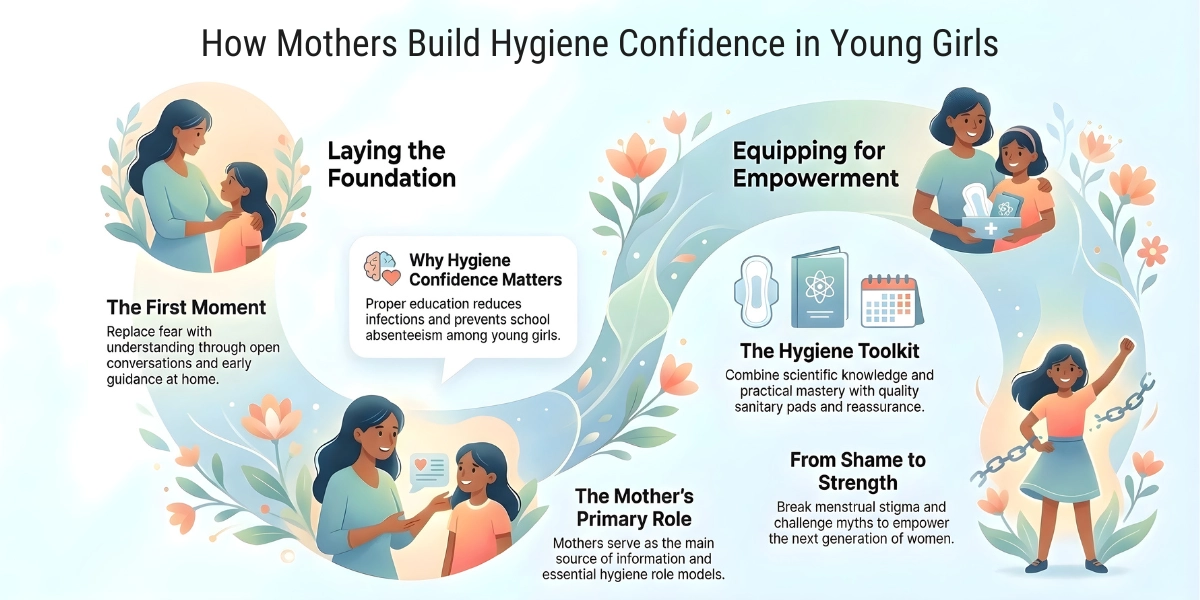
This is where mothers make a lasting difference. The way they explain, reassure, and guide their daughters builds a strong foundation for hygiene confidence in young girls. When openness replaces silence, fear slowly fades. And that is where strength truly begins.
Why Hygiene Confidence Matters More Than We Realize
Many people think hygiene is only about cleanliness. But for young girls, it affects much more than that. The importance of hygiene for young girls goes beyond managing periods. It influences how they feel about their bodies, how comfortable they are in public spaces, and how freely they participate in daily life.
When menstrual hygiene management is practiced correctly, girls feel more at ease. Proper habits reduce discomfort, prevent infections, and lower anxiety around leaks or stains. As a result, they are less likely to miss school or avoid activities. Feeling prepared allows them to focus on learning and growing without constant worry.
Good hygiene practices therefore protect both physical health and emotional wellbeing. And when girls feel secure in something as personal as their own bodies, it strengthens their overall sense of self.
What Is Hygiene Confidence
Hygiene confidence is more than just following clean habits. It is the comfort and assurance a girl feels when she understands her body and knows how to care for it properly.
It includes simple practices like regular handwashing, correct sanitary pad usage, and safe menstrual hygiene management. At the same time, it involves emotional ease. When a girl feels informed and supported, she is less likely to feel embarrassed about natural body changes.
At its core, hygiene confidence is the balance between healthy routines and inner assurance. And that balance often begins with guidance at home.
Impact on Health and Safety
Good hygiene habits play an important role in protecting a girl’s health. Poor menstrual hygiene can lead to discomfort, rashes, and even infections. That is why menstrual hygiene and infection prevention go hand in hand.
When girls learn how to use sanitary products correctly, change them on time, and maintain personal cleanliness, they reduce health risks. Simple practices like washing hands before and after changing a pad and disposing of it properly make a big difference.
Building these habits early creates a sense of safety and control. A girl who understands how to manage her period properly feels less anxious and more secure in her daily routine. Over time, this confidence becomes part of her overall well-being.
Impact on Education and Participation
Hygiene management directly influences a girl’s school life and daily participation. When she feels uncertain about managing her period, it affects her focus, comfort, and attendance.
- Many girls miss school during their periods due to fear of stains or embarrassment.
- Lack of proper menstrual hygiene management increases anxiety in classrooms.
- Knowing how to use sanitary products correctly helps reduce absenteeism.
- Feeling prepared encourages participation in sports and group activities.
- When periods are managed well, learning continues without interruption.
Consistent hygiene habits, therefore support not only physical well-being but also steady academic progress and active involvement in everyday life.
Mothers as the First and Most Trusted Teachers
Long before schools introduce lessons about puberty, most girls begin learning about their bodies at home. This is where the role of mothers in hygiene education becomes deeply significant. A mother is often the first person a girl turns to when she feels confused or uncertain.
The mother-daughter bond during puberty creates a strong foundation of trust. When mothers speak openly about menstruation and hygiene, they replace fear with clarity. Their tone, habits, and reassurance shape how girls understand their bodies. In many ways, this early guidance becomes the starting point for hygiene confidence in young girls.
The Primary Source of Information
For many girls, the first lessons about menstruation do not come from textbooks. They come from their mothers. Studies across communities show that mothers are often the main source of information about periods and hygiene practices.
This early guidance carries strong emotional value. A girl may hesitate to ask questions in school, but she is more likely to seek answers at home. When mothers explain what menstruation is and how to manage it safely, they remove confusion at the beginning itself. That early clarity builds trust and sets the tone for how girls approach hygiene in the future.
The Mirror Effect: What Daughters Observe, They Absorb
Children learn more from actions than instructions. In the mother-daughter relationship, everyday behavior becomes a silent lesson.
When mothers practice healthy habits such as proper sanitary pad usage, handwashing, and safe disposal methods, their daughters naturally follow. Emotional reactions are mirrored as well. If menstruation is treated calmly and openly, girls are more likely to view it as normal. If it is handled with secrecy or discomfort, that hesitation can pass on too.
This mirror effect shows how daily routines and attitudes quietly shape a girl’s understanding of hygiene and self-care.
Everyday Lessons That Shape Identity
Hygiene awareness grows through small daily habits that mothers teach at home. These simple routines slowly become part of a girl’s identity.
- Teaching proper sanitary pad usage helps girls manage their periods safely.
- Encouraging regular bathing and clean clothing builds strong hygiene habits.
- Reminding daughters to change pads on time supports comfort and health.
- Demonstrating safe disposal methods promotes responsibility and cleanliness.
- Speaking calmly about these practices makes them feel normal rather than embarrassing.
Over time, these everyday lessons shape not only hygiene routines but also a girl’s sense of self-responsibility and readiness.
Breaking the Stigma: From Shame to Strength
Menstrual stigma still exists in many homes, shaped by long-standing period myths and misconceptions. Periods are often treated as something private, uncomfortable, or even shameful. Because of this, many girls grow up feeling confused instead of confident about their own bodies.
When silence surrounds menstruation, fear grows. But when mothers speak openly and clearly, they help challenge these myths and replace shame with strength. That simple shift can completely change how a girl feels about her period and herself.
Challenging Generational Myths
Many girls grow up hearing restrictions during their periods. They may be told not to enter certain spaces or avoid normal activities. These practices often stem from period myths and misconceptions rather than scientific understanding.
When mothers question these beliefs and explain menstruation as a natural biological process, they help reduce menstrual stigma at its root. Instead of passing down fear, they pass down facts. If you want to explore this further, we have also discussed how families can start breaking period taboos and build stronger confidence in women.
Challenging generational myths does not mean disrespecting traditions. It means choosing facts over fear. When mothers replace silence with clarity, daughters learn that menstruation is not a limitation. It is simply a part of growing up.
Emotional Reassurance Matters
Information alone is not enough. When a girl experiences her first period, she also needs reassurance. The way a mother responds in that moment can either reduce anxiety or increase it.
Simple words from a mother can make a powerful difference:
- “This is normal.”
- “Every girl goes through this.”
- “You can still do everything you love.”
These messages replace fear with comfort. When girls feel supported rather than judged, they begin to approach menstruation with ease instead of embarrassment.
Creating a Safe Space for Questions
Many girls hesitate to ask questions about their periods because they fear being judged or dismissed. Creating a safe space at home helps remove that hesitation.
Mothers can encourage openness by:
- Listening patiently without interrupting.
- Answering questions honestly and clearly.
- Avoiding reactions that make the topic uncomfortable.
- Reminding daughters that no question is inappropriate.
When girls feel heard, curiosity replaces fear. A home where conversations are welcomed becomes a place where understanding and self-assurance grow naturally.
Building the Hygiene Toolkit for Daughters
Teaching hygiene is not just about giving instructions. It is about equipping girls with practical knowledge and everyday habits that help them manage their periods with ease. When menstrual hygiene management at home is handled clearly, girls feel prepared instead of anxious.
A strong foundation includes simple explanations, practical skills, and supportive guidance. With the right tools and understanding, daughters move from uncertainty to readiness step by step.
Scientific Knowledge
Before confidence comes clarity. Girls need to understand what menstruation is and why it happens. When mothers explain the menstrual cycle in simple language, it removes fear and confusion.
Basic menstrual cycle education does not have to be complicated. Explaining that periods are a natural part of growing up and a sign that the body is developing normally is often enough. When girls understand the biology behind it, they stop seeing it as something mysterious or frightening.
Accurate information also helps correct misinformation. Many fears around periods come from half-knowledge or myths. Clear and honest explanations build awareness and trust at the same time.
Practical Mastery
Understanding menstruation is important, but knowing how to manage it daily is equally necessary. Practical skills give girls control and reduce anxiety.
- Mothers can guide their daughters through simple, step-by-step routines:
- Explain how often to change sanitary pads, ideally every 4 to 6 hours, depending on flow.
- Demonstrate proper disposal of sanitary pads to maintain hygiene and cleanliness.
- Teach handwashing before and after changing a pad.
- Share simple tips for managing period leaks calmly and confidently.
When girls know exactly what to do, they feel prepared instead of worried. These practical lessons turn knowledge into action and action into confidence.
Physical Comfort and Product Awareness
Comfort plays a big role in building confidence. If a girl feels irritation, discomfort, or constant worry about leakage, it affects her focus and mood. That is why using good quality sanitary pads matters. The right product can prevent rashes, provide proper absorption, and allow her to move freely without fear.
Mothers can guide their daughters to look for breathable sanitary pads that allow proper air circulation and reduce the risk of rashes. Skin-friendly sanitary products are especially important for young girls whose skin may be more sensitive during menstruation.
Talking about product features openly also removes hesitation. When girls understand why comfort, absorbency, and proper fit matter, they make better choices for themselves. Physical comfort supports emotional confidence, and both together strengthen hygiene confidence.
Beyond the Product: Confidence Is Built Through Conversation
Good quality sanitary pads support comfort, but real assurance comes from conversation. A product offers protection, yet a mother’s words provide clarity and emotional security.
When mothers talk openly about periods, they remove hesitation. When they listen without judgment, they build trust. These conversations teach girls that menstruation is normal and nothing to be ashamed of.
Emotional support during menstruation helps girls feel valued and understood. Over time, this support strengthens self-confidence. A girl who feels heard at home carries that confidence into school, friendships, and future challenges.
Hygiene habits protect the body. Open conversations protect the mind. Together, they build lasting confidence.
Challenges Mothers Face in Building Hygiene Confidence
While mothers play a key role in building hygiene confidence in young girls, they also face their own challenges. Not every mother had access to proper menstrual hygiene education while growing up. Because of this, some may feel unsure about what to explain or how to start the conversation.
Menstrual health challenges and a lack of hygiene awareness in communities can make open discussions even more difficult. Social pressure, old beliefs, and limited access to reliable information sometimes create hesitation. Recognizing these challenges is important because supporting mothers is just as essential as guiding daughters.
Lack of Accurate Information
One of the biggest challenges mothers face is the lack of accurate information. Many women grew up without proper menstrual education themselves. They learned through experience, advice from elders, or cultural practices rather than clear scientific explanations.
This generational knowledge gap can create hesitation. Some mothers may feel unsure about how to explain the menstrual cycle or proper hygiene practices. When information is incomplete, it becomes harder to guide daughters with full confidence.
Bridging this gap starts with access to simple and reliable knowledge. When mothers feel informed, they speak with clarity. And when they speak with clarity, their daughters listen with trust.
Cultural and Social Barriers
In many families, menstruation is still treated as a private or sensitive topic. Cultural and social barriers often make open conversations difficult.
- Community expectations may discourage discussing periods openly.
- Silence in traditional households can make the topic feel uncomfortable.
- Long followed customs, sometimes limiting clear explanations.
- Some mothers worry that speaking openly may be seen as inappropriate or unnecessary.
These barriers can slow down progress, but they are not permanent. When even one mother chooses to speak honestly and calmly, she begins to shift the atmosphere at home. Small changes in conversation can gradually reduce stigma and create a more supportive environment for girls.
Limited Access to Hygiene Resources
Access to proper hygiene products is not equal everywhere. In some areas, affordability and availability remain real concerns. Even when mothers want to guide their daughters well, limited resources can create stress.
- The cost of sanitary pads can be a burden for some families.
- In certain rural areas, hygiene products may not be easily available.
- Lack of private sanitation facilities can make period management more difficult.
- Limited access to reliable products can affect comfort and confidence.
When hygiene resources are scarce, confidence can suffer. Supporting access to safe and reliable products is therefore an important part of building hygiene confidence in young girls.
The Bigger Picture: Hygiene Confidence and Girl’s Empowerment
Hygiene confidence not only affects a girl’s daily routine. It shapes how she sees herself and her future. When girls feel comfortable managing their periods, they feel more in control of their bodies and choices.
Confidence in something as personal as menstruation builds overall self-belief. A girl who understands her body is less likely to feel restricted by it. She participates in school, speaks up in discussions, and takes part in activities without hesitation.
Over time, this small but powerful confidence supports bigger goals. It strengthens dignity, encourages leadership, and promotes education. Hygiene confidence may begin with simple habits, but it contributes to raising empowered women who trust themselves and their abilities.
NIRAA’s Commitment: Supporting the Maternal Journey
Supporting mothers means strengthening the foundation of hygiene confidence in young girls. When mothers feel informed and supported, they guide their daughters with greater clarity and confidence.
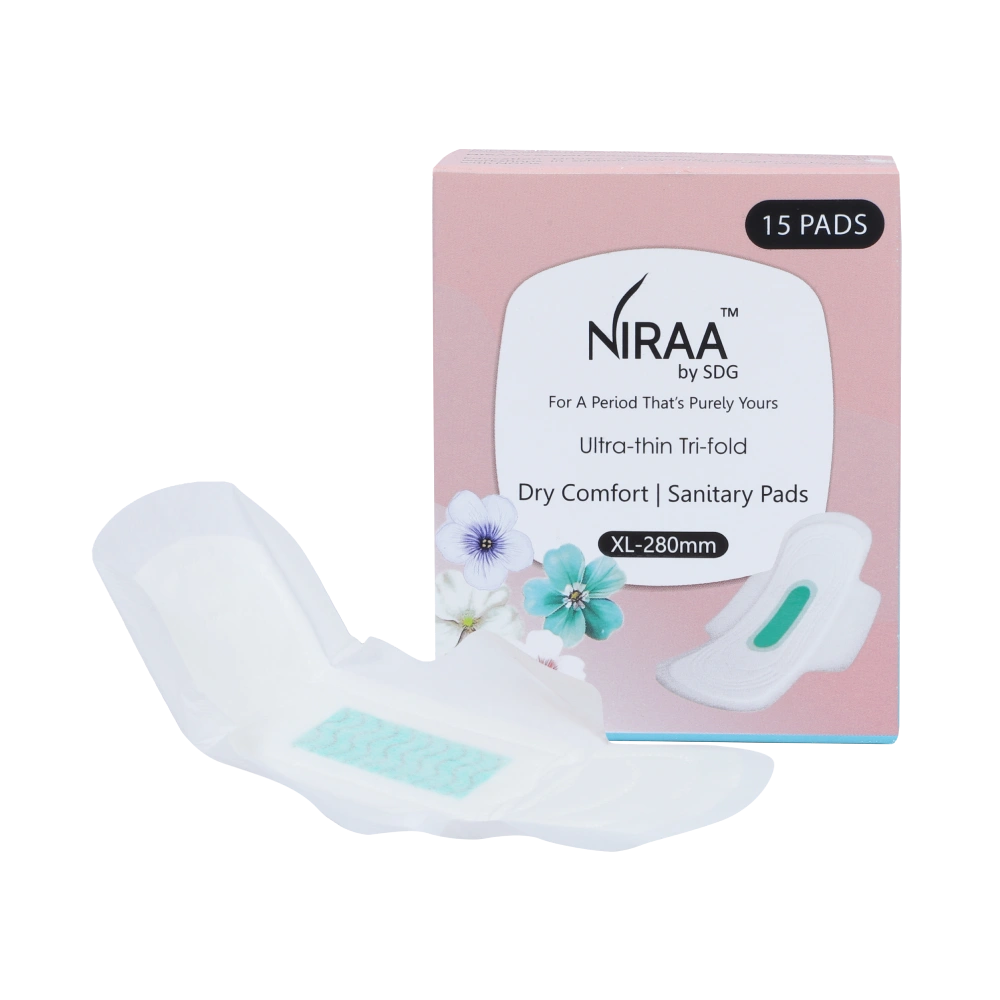
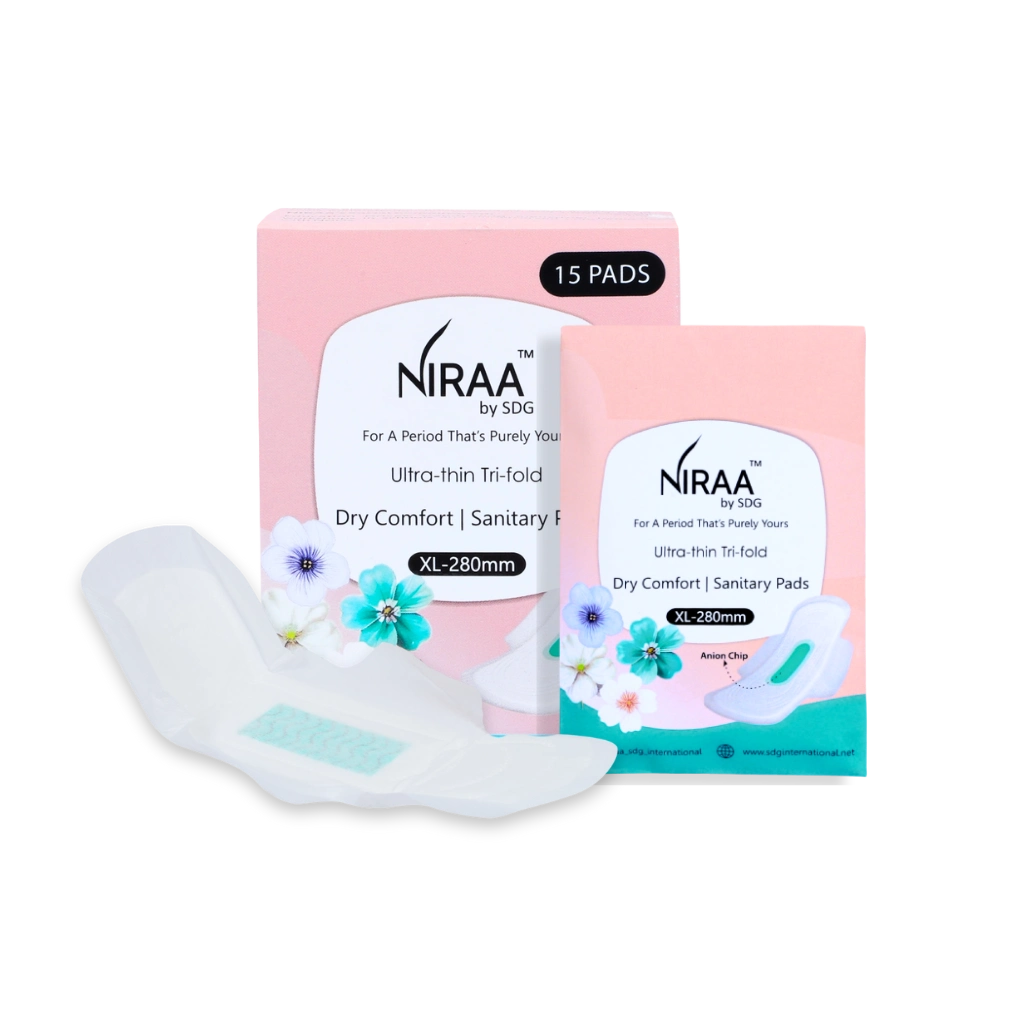
At NIRAA, the focus is not only on products, but also on comfort, awareness, and accessibility.
- NIRAA sanitary pads are designed with attention to skin safety to reduce irritation and rashes.
- The products focus on comfort, allowing girls to move freely without discomfort or hesitation.
- Reliable protection helps reduce anxiety about leaks and stains.
- Awareness initiatives promote better menstrual hygiene education in communities.
- Community outreach efforts support mothers and daughters in building open conversations.
- Making hygiene accessible ensures that more girls can manage their periods with confidence.
When mothers are supported with safe and reliable sanitary products and proper awareness, they are better equipped to build lasting hygiene confidence at home.
Conclusion: Empower a Mother, Empower a Generation
Hygiene confidence is not built in a single day. It grows through small conversations, daily habits, and emotional support that begins at home. When mothers choose to speak openly about menstruation, guide their daughters with patience, and replace myths with understanding, they create a lasting impact.
A mother’s reassurance during a girl’s first period can shape how she views her body for years. That confidence influences her education, participation, and self-belief. It teaches her that menstruation is not a limitation, but a natural part of life that can be managed with dignity.
When we support mothers with the right knowledge and safe, reliable hygiene solutions, we strengthen an entire generation. Empower a mother, and you empower a daughter. Empower a daughter, and you shape a confident future.
FAQs (Frequently Asked Questions)
Why is menstrual hygiene management important for young girls?
Menstrual hygiene management is important because it protects a girl’s health and builds her confidence. Proper hygiene practices reduce the risk of infections, discomfort, and anxiety. When girls know how to manage their periods safely, they feel prepared and secure in school and social settings.
How can mothers talk to daughters about periods confidently?
Mothers can start by keeping the conversation simple and honest. Using clear language, answering questions patiently, and reassuring their daughters that menstruation is natural helps remove fear. Open communication builds trust and strengthens the mother-daughter bond during puberty.
What role do mothers play in hygiene education?
Mothers are often the first source of information about periods and personal hygiene. Through daily habits, emotional support, and guidance, they help build hygiene confidence in young girls. Their attitude toward menstruation strongly influences how daughters view their own bodies.
How does menstrual hygiene affect school attendance?
Poor menstrual hygiene or fear of leaks can cause girls to miss school. When girls understand proper hygiene practices and feel confident using sanitary products, they are more likely to attend school regularly and participate without hesitation.
What are the best hygiene practices for teenage girls?
Good hygiene practices include changing sanitary pads regularly, washing hands before and after changing pads, maintaining daily cleanliness, and disposing of pads safely. Along with these habits, open conversations at home help girls manage their periods with confidence.