Hygiene plays a quiet but powerful role in a woman’s daily life. It affects how she feels about herself, how confident she is while stepping out, and how at ease she feels during long days at work, school, or home. When hygiene needs are met, women move through their routines with greater ease. When they are not, even simple moments can become stressful.
The importance of hygiene for women goes far beyond staying clean. It directly influences daily freedom, peace of mind, and the ability to participate comfortably in everyday activities. Good hygiene allows women to focus on their goals instead of worrying about discomfort, odor, or embarrassment, supporting both physical health and emotional well-being.
Women’s hygiene includes everyday personal care, menstrual hygiene, and access to safe and reliable products. Menstruation is a natural part of life, yet many women still struggle to manage it comfortably due to a lack of awareness, limited access, or social hesitation. When these needs are ignored, it can quietly affect confidence and limit ease in public and personal spaces.
At its core, women’s hygiene and dignity are deeply connected. Feeling clean, prepared, and supported helps women live with confidence and self-respect every day. This belief aligns closely with NIRAA by SDGs’ focus on women’s comfort and well-being, where hygiene is seen as an essential part of everyday dignity.
What Hygiene Truly Means in a Woman’s Life
Hygiene in a woman’s life goes far beyond basic cleanliness. It is an essential part of her daily routine and has a direct impact on comfort, confidence, and women’s well-being. From morning to night, good hygiene helps women feel fresh, focused, and ready to manage their responsibilities without unnecessary distraction.
Daily personal hygiene includes more than bathing alone. Caring for intimate areas, choosing clean and breathable clothing, and following habits that support skin and body health all contribute to comfort and ease. These consistent practices help prevent discomfort and support respect for women’s health in everyday life.
Menstrual hygiene is a regular and essential health practice. Managing periods comfortably requires proper care, timely product changes, and access to hygiene solutions that feel safe and gentle on the body. When menstrual hygiene is managed well, it supports menstrual comfort and allows women to continue their routines with confidence.
Hygiene becomes even more important during travel, long work hours, or social commitments. Being able to manage personal and menstrual hygiene in different settings helps women feel prepared and at ease wherever they are. Proper hygiene supports peace of mind, reduces stress, and reinforces care for women’s health at every stage of life.
Understanding Respect and Comfort in Women’s Health
Respect in women’s health begins with recognizing and accepting natural bodily processes. Menstruation, hormonal changes, and personal care needs are a normal part of life, yet they are often treated with silence or discomfort. True respect for women’s health means acknowledging these realities openly and without judgment.
Comfort strongly shapes how women experience their health each day. During menstruation, privacy and ease become especially important. Being able to manage periods without stress, fear, or embarrassment helps women feel secure and in control, supporting emotional balance and women’s well-being.
Access to clean and reliable hygiene products plays a key role in supporting respect for women’s health. When women can rely on the products they use, it reduces constant worry about leaks, irritation, or discomfort and strengthens self-confidence throughout the day.
Natural biological cycles should never be a source of shame or discomfort. Respecting women’s health means creating spaces where comfort is expected, care is accessible, and women feel confident managing their bodies without pressure or stigma.
The Hidden Impact of Poor Hygiene on Women
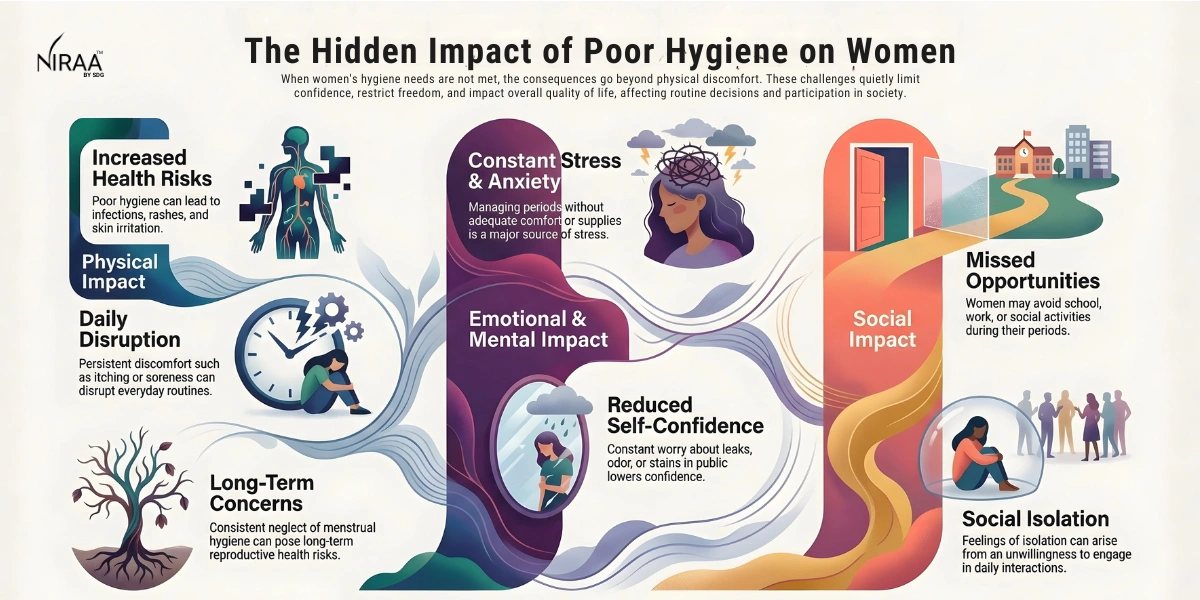
When hygiene needs are not properly met, the effects extend far beyond temporary discomfort. Poor menstrual and personal hygiene can directly affect a woman’s physical health, emotional well-being, and ability to participate confidently in daily life. These challenges are often unspoken, yet they influence routine decisions and limit freedom over time.
Physical health challenges
- Higher risk of infections, rashes, and skin irritation due to unhygienic menstrual practices
- Persistent discomfort, such as itching or soreness, that disrupts daily routines
- Potential long-term reproductive health concerns when menstrual hygiene is consistently neglected
Emotional and mental impact
- Ongoing stress and anxiety caused by managing periods without adequate comfort
- Reduced confidence during menstruation
- Constant concern about leaks, odor, or visible stains in public settings
Social impact
- Avoiding school, work, travel, or social activities during periods
- Feeling isolated or less willing to engage in everyday interactions
- Hesitation in seeking support or discussing hygiene-related needs
When hygiene concerns remain unaddressed, they affect more than physical health. They quietly limit confidence, restrict movement, and reduce everyday comfort. Addressing women’s hygiene issues is essential not only for health but also for protecting dignity, confidence, and quality of life.
Menstrual Hygiene and the Reality for Women in India
Menstrual hygiene in India is influenced not only by access to hygiene products but also by deep-rooted beliefs and social attitudes. For many women, managing periods is shaped by silence, hesitation, and limited guidance. As a result, a natural biological process often becomes difficult to discuss or manage openly.
- Social stigma around periods continues in many communities, leading to avoidance rather than open discussion
- Conversations about menstrual health remain limited within families and schools
- Access to quality hygiene products differs across regions, with some women depending on unsafe or uncomfortable options
- Period hygiene awareness is still uneven, despite the wider availability of information
Improving menstrual hygiene in India requires more than affordability. Awareness, education, and open dialogue are equally important in helping women manage their periods with comfort, confidence, and dignity.
Education and Awareness as the First Step Toward Confidence
Education and awareness play a vital role in helping women manage their hygiene with confidence. Clear and age-appropriate information about menstruation helps reduce fear, confusion, and long-held misconceptions. When women understand their bodies better, they are more prepared to care for themselves comfortably and with assurance.
Mothers, schools, and communities all have a role in shaping healthy attitudes toward menstrual hygiene. Open conversations at home and in educational spaces help normalize periods as a natural part of life. Supportive and factual guidance creates an environment where women feel comfortable asking questions and seeking clarity without hesitation.
Menstrual hygiene awareness enables women to make informed decisions about their hygiene practices and the products they choose. With the right knowledge, women can focus on comfort, safety, and well-being rather than uncertainty. Normalizing discussions around menstruation builds confidence and encourages a more respectful and informed approach to women’s health.
The Role of Safe and Reliable Hygiene Products
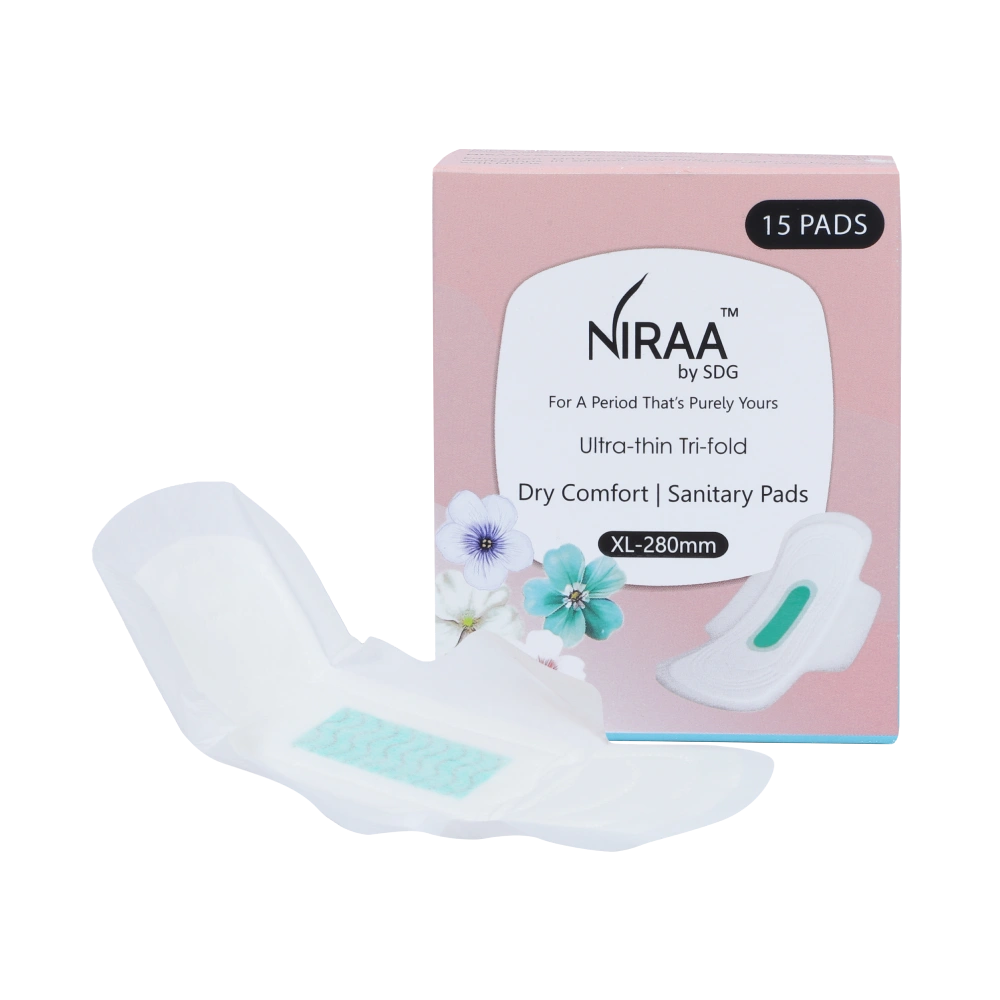
Safe and reliable hygiene products for women play an important role in supporting comfort and confidence during menstruation. The quality of products used directly affects how a woman feels throughout the day. Poorly designed or unsuitable products can lead to irritation, distraction, and unnecessary stress.
Many women choose hygiene products that provide comfort, proper absorption, and a secure fit. Skin-friendly materials and thoughtful design help reduce discomfort and support better menstrual care. When hygiene products perform well, women can focus on their daily routines without concern about leaks or irritation.
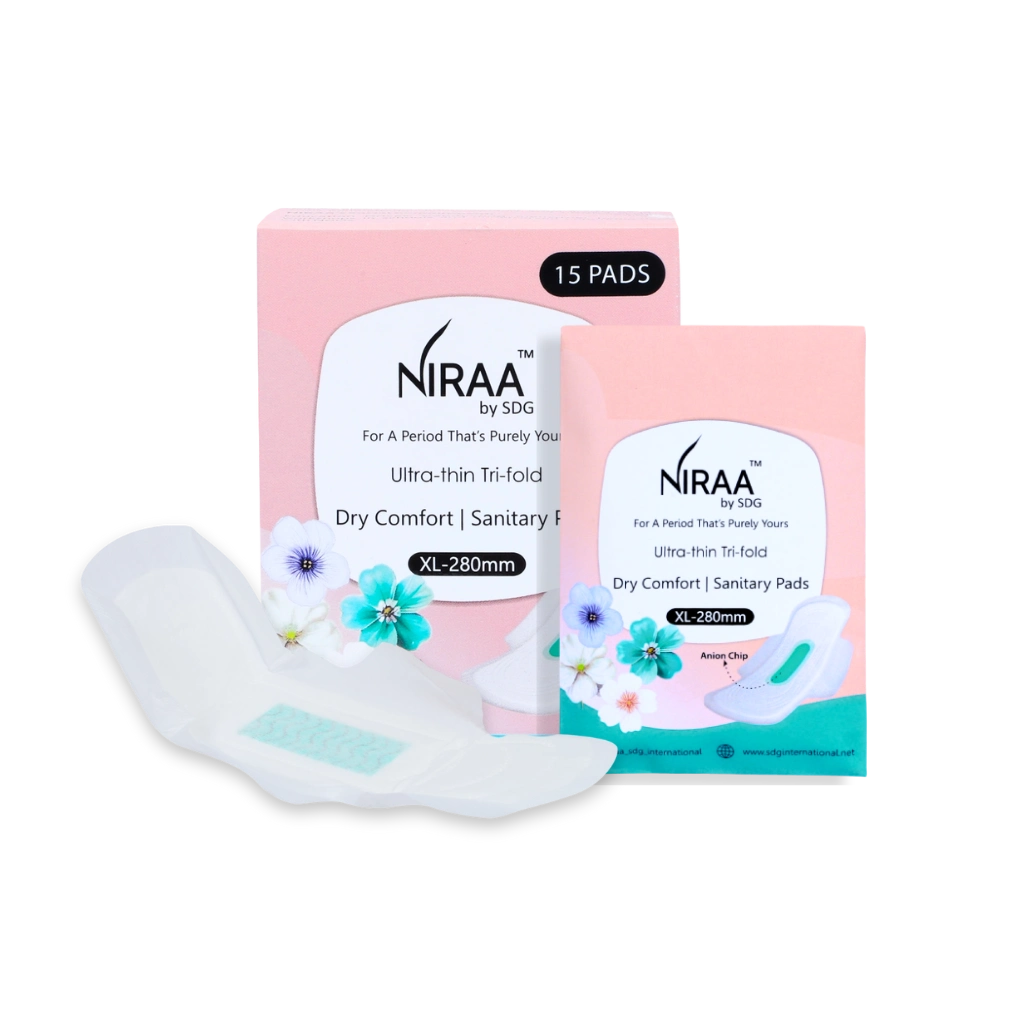
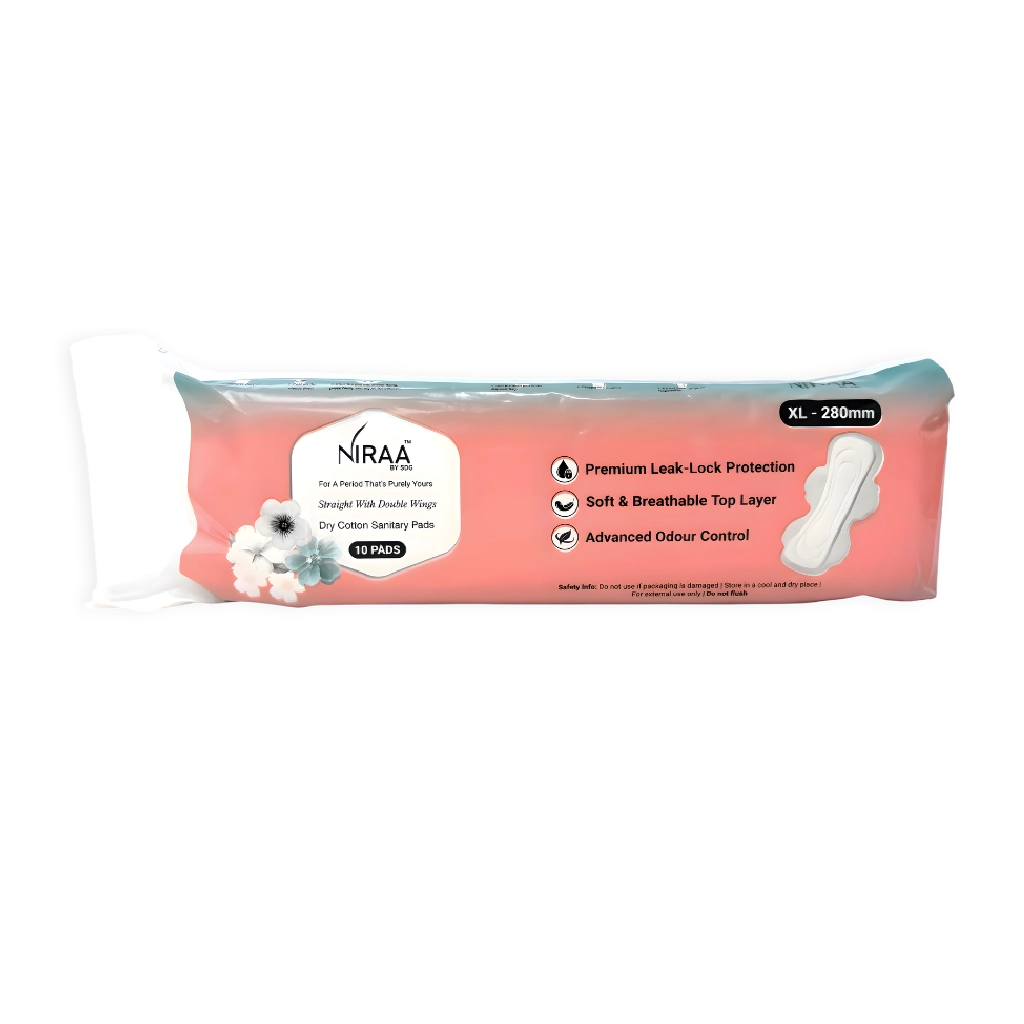
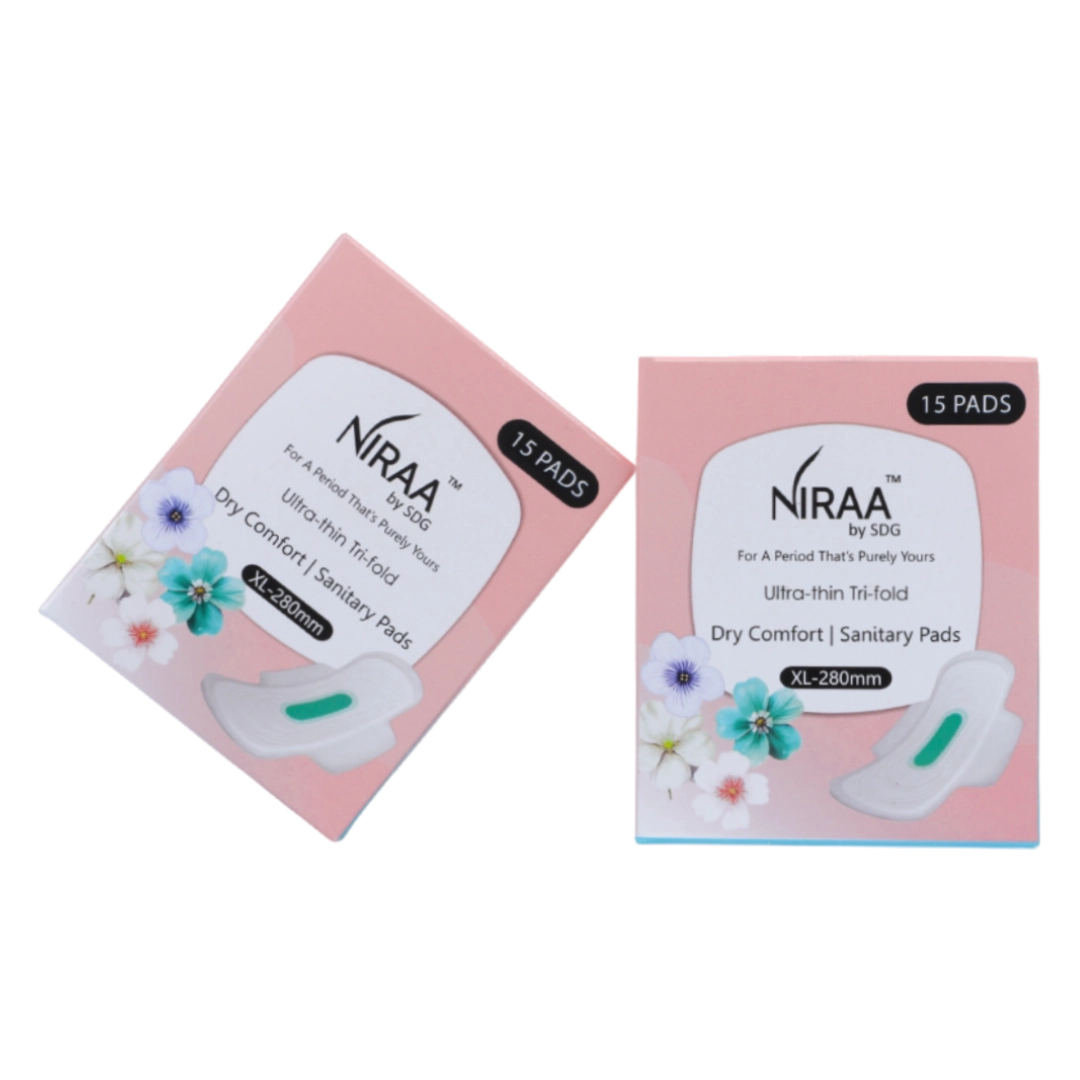
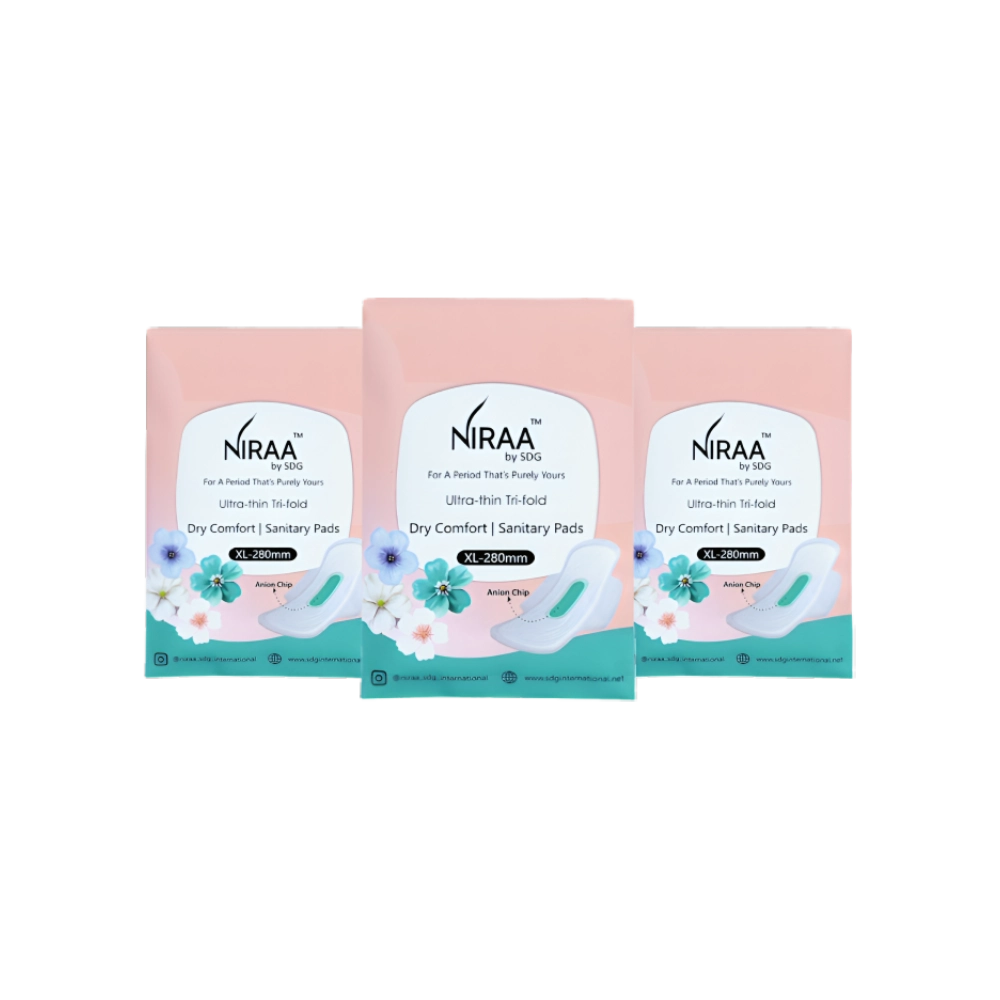
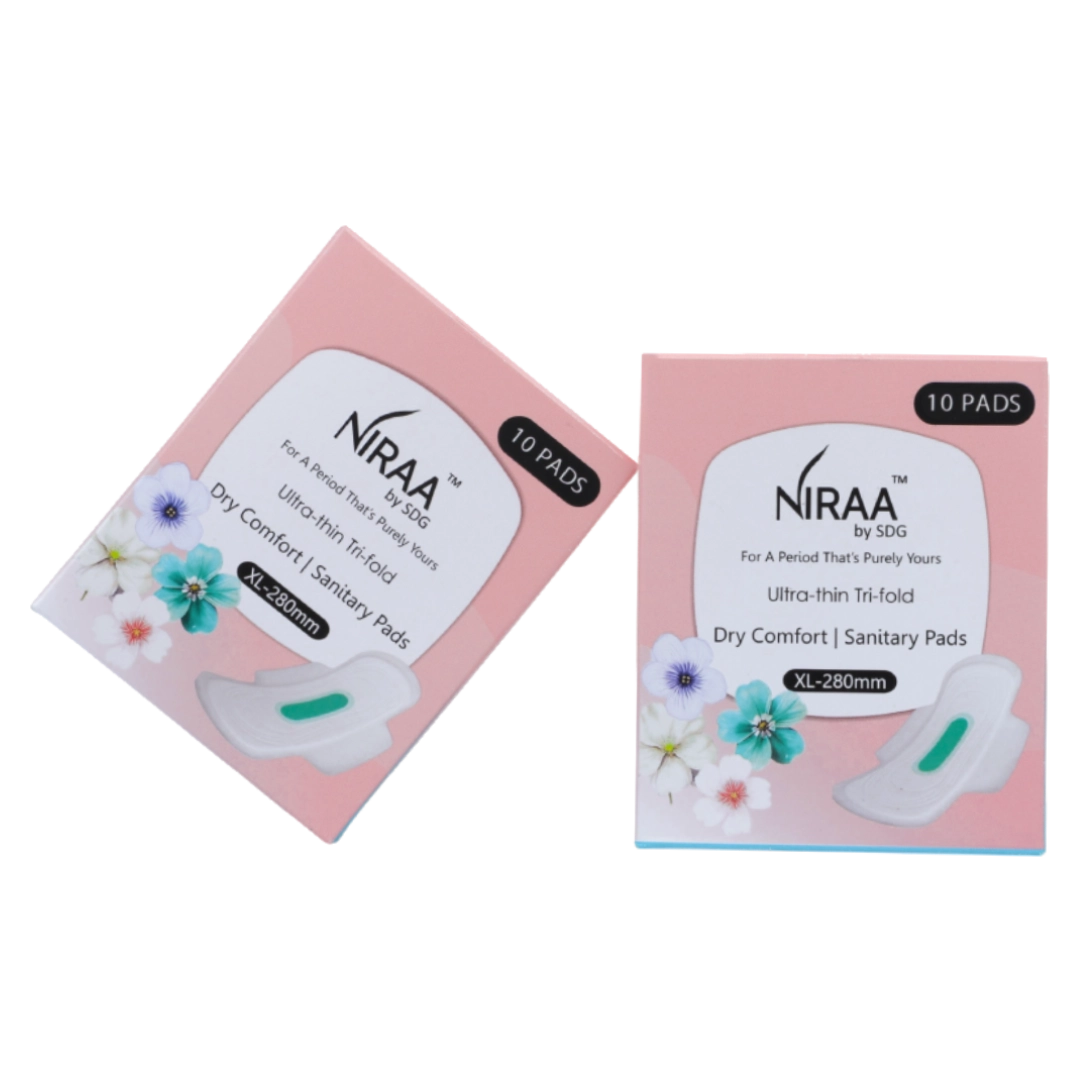
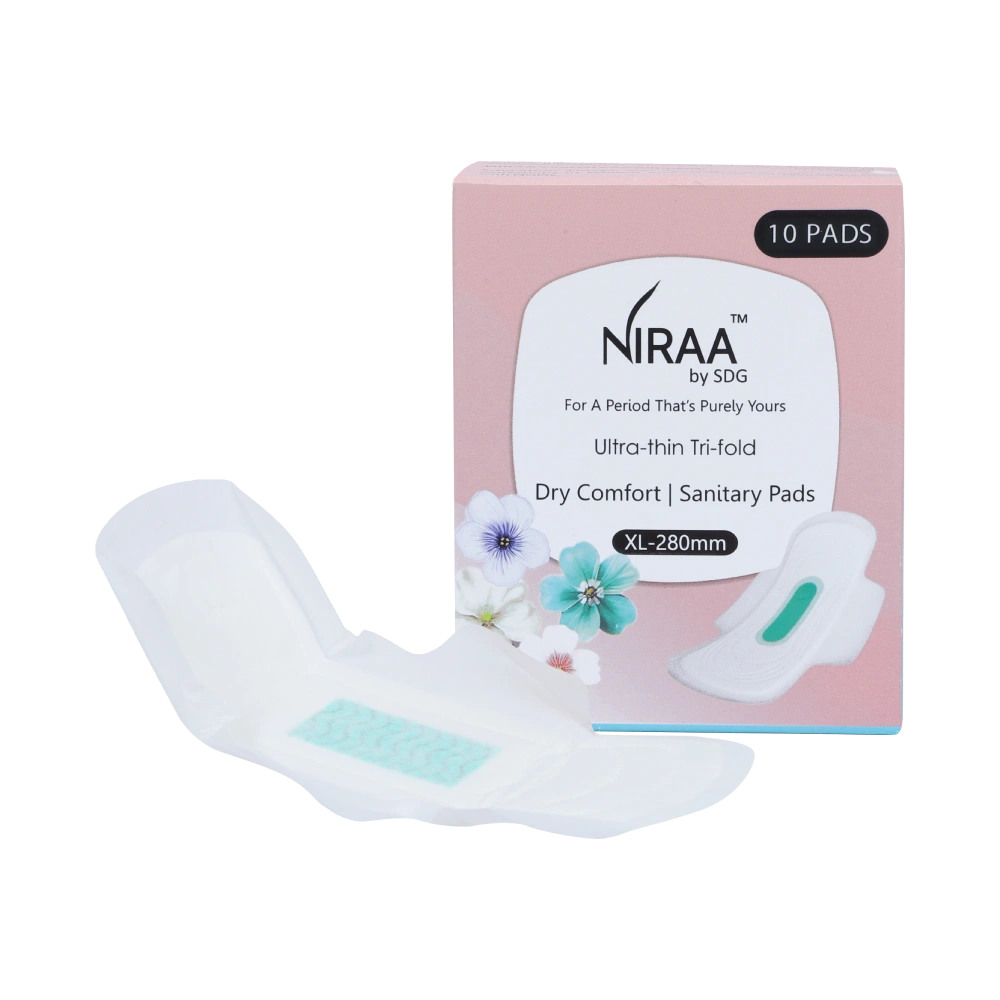
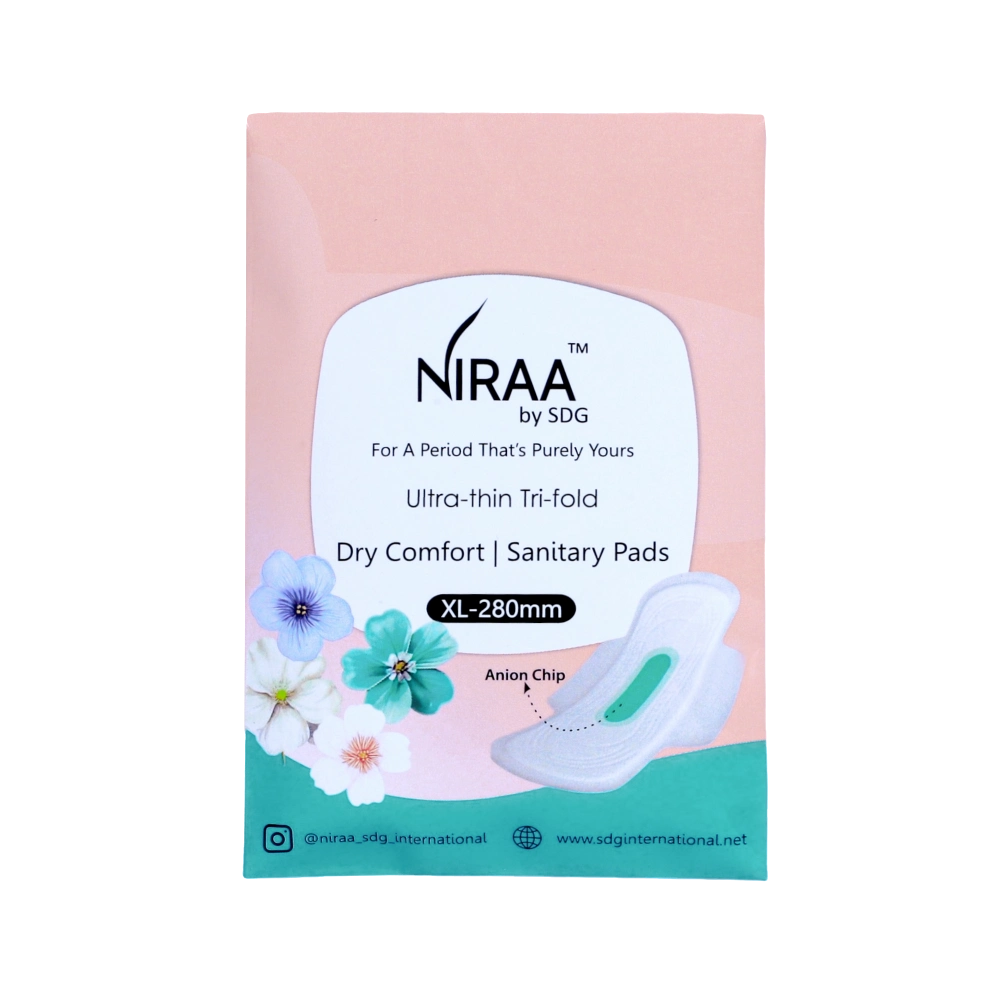
Reliable hygiene solutions also offer peace of mind. Knowing that a product is safe and suitable helps women manage their periods confidently at home, at work, or while traveling. NIRAA by SDG supports women’s everyday confidence by focusing on hygiene solutions designed with comfort, safety, and care in mind.
Small Hygiene Habits That Make a Big Difference
Small daily hygiene habits can greatly influence how comfortable and confident a woman feels during her period. Consistent care helps reduce irritation, supports menstrual comfort, and contributes to overall women’s well-being throughout the menstrual cycle.
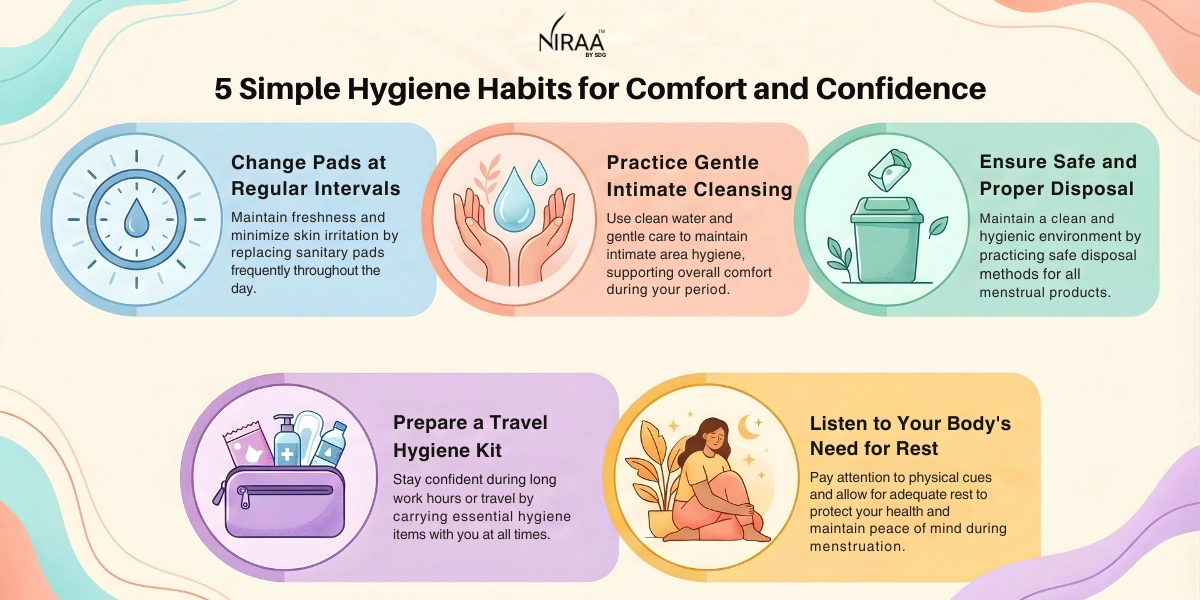
- Changing sanitary pads at regular intervals to maintain freshness and reduce irritation
- Maintaining intimate area hygiene with clean water and gentle care during periods
- Practicing safe and proper disposal of menstrual products to maintain cleanliness
- Carrying essential hygiene items while traveling or during long work hours
- Paying attention to the body’s needs and allowing adequate rest during menstruation
These simple period hygiene tips support comfort, confidence, and peace of mind. When women follow mindful hygiene habits, they protect both physical health and everyday dignity.
How Supporting Women’s Hygiene Strengthens Empowerment
Supporting women’s empowerment and hygiene goes hand in hand. When women can manage their hygiene comfortably and confidently, they are more likely to participate actively in education, work, and social life. Hygiene becomes a foundation that supports growth, opportunity, and independence rather than a source of stress or limitation.
Good hygiene strengthens independence and mobility. Women who are able to manage their periods with comfort feel less restricted in their routines and more confident stepping into public spaces. This ease encourages self-expression, participation, and a stronger sense of agency.
Respecting women’s health is a shared social responsibility. When families, communities, and workplaces recognize hygiene as essential, it creates a supportive environment where women feel respected rather than judged. Comfort and confidence together help women move forward with assurance and empowerment.
Conclusion: When Hygiene Is Respected, Confidence Follows
Hygiene plays a key role in a woman’s comfort, confidence, and overall well-being. When hygiene needs are respected, women can move through their daily lives without discomfort or hesitation.
Menstruation is a natural part of life and deserves understanding and openness. Access to proper hygiene practices, reliable products, and accurate information helps reduce stress and supports confidence in everyday routines.
Supporting women’s hygiene is a shared responsibility. Through awareness, informed choices, and respectful conversations, we can create an environment where women feel comfortable, confident, and supported. This commitment lies at the heart of NIRAA by SDGs’ approach to women’s everyday well-being.
FAQs: Hygiene, Comfort, and Women’s Well-Being
1. Why is hygiene important for women’s dignity?
Hygiene helps women feel comfortable, confident, and secure in their daily lives. When hygiene needs are met, women can focus on work, education, and social activities without fear of discomfort or embarrassment, which directly supports dignity and self-respect.
2. How does menstrual hygiene affect a woman’s confidence?
Proper menstrual hygiene reduces stress related to leaks, odor, and irritation. When women can manage their periods comfortably, they feel more confident participating in everyday activities without hesitation.
3. What are common hygiene challenges women face during periods?
Some common challenges include limited access to quality hygiene products, limited awareness of menstrual care, social stigma, and difficulty maintaining hygiene during long work hours or travel.
4. How can better hygiene habits improve women’s well-being?
Good hygiene habits help prevent infections, reduce discomfort, and support emotional comfort. Simple practices such as regular pad changes and proper intimate care can make a noticeable difference in overall well-being.
5. Why is menstrual hygiene awareness still important today?
Despite progress, many women still grow up with limited or incorrect information about periods. Menstrual hygiene awareness helps normalize menstruation, reduces stigma, and empowers women to make informed choices about their health.
6. How can families and communities support women’s hygiene needs?
Open conversations, respectful attitudes, and access to safe hygiene products are key. When families and communities treat menstrual hygiene as a normal health topic, women feel more supported and confident.