For millions of girls in India, menstruation has never been just a health concern. It influences how freely they move, how confidently they attend school, and how safely they participate in everyday life. The absence of clean toilets, access to sanitary products, and basic privacy has often turned a natural biological process into a source of discomfort, shame, and silence.
Across the country, many school-going girls continue to miss classes every month. Some eventually drop out. Not because they lack ability or ambition, but because schools are not equipped to support them during menstruation. When hygiene facilities are missing, dignity is affected, and education becomes harder to access.
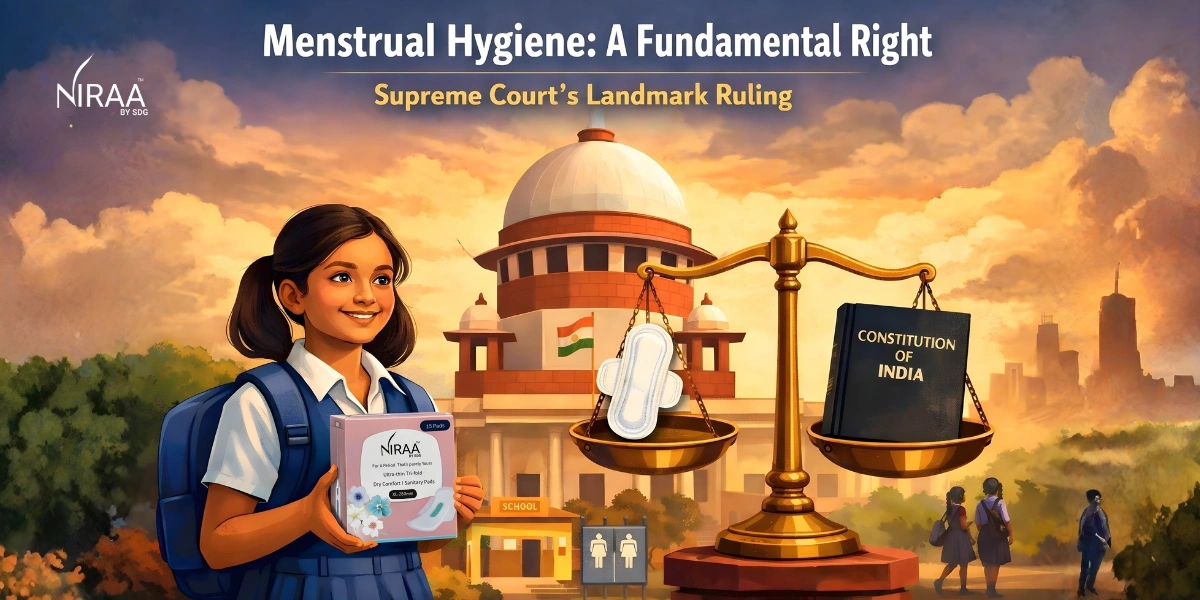
In a landmark development, the Supreme Court of India formally recognised menstrual hygiene as a fundamental right in India, linking it to the constitutional guarantees of life, dignity, privacy, and education. Through this Supreme Court ruling on menstrual hygiene, access to safe menstrual facilities has been clearly placed within the scope of constitutional responsibility rather than charity or policy discretion.
The judgment marks a clear shift in approach. It establishes defined expectations for schools, assigns responsibility to authorities, and calls for a more informed and respectful view of menstruation in public spaces. Menstrual hygiene is no longer treated as a private struggle borne in silence. It is now recognised as a matter of dignity, rights, and equal opportunity.
What Exactly Did the Supreme Court Rule?
In a landmark judgment, the Supreme Court of India clarified that access to safe menstrual hygiene goes beyond health or welfare considerations. The Court recognised that menstrual hygiene forms part of the right to life and dignity under Article 21 of the Constitution, placing it firmly within the scope of fundamental rights.
The Court observed that providing menstrual hygiene products and appropriate facilities is not an act of charity or goodwill. It is a constitutional responsibility of the State to ensure that girls are able to manage menstruation with dignity, privacy, and safety.
Through this Supreme Court ruling on menstrual hygiene, the Court directed that all schools, whether government-run or privately managed, must provide free biodegradable sanitary napkins for schoolgirls studying between Classes 6 and 12. This direction aims to remove access and affordability barriers during school hours.
The judgment also requires educational institutions to maintain functional, gender-segregated toilets, supported by clean water and soap. These facilities are essential for proper menstrual hygiene management and must be safe and accessible within school premises.
By placing menstrual hygiene within the broader framework of constitutional rights, the Court reinforced its connection to dignity, health, privacy, and education. The ruling acknowledges that inadequate hygiene facilities have historically affected girls’ ability to participate fully in school life and must now be addressed as a matter of rights.
Legal Foundation: How the Constitution Protects Menstrual Dignity
The Supreme Court anchored its decision on menstrual hygiene firmly within the Constitution, reinforcing that dignity is not an abstract principle but a legally protected right. By interpreting existing constitutional guarantees in the context of menstrual health, the Court acknowledged that the everyday realities of girls must be addressed through enforceable rights.
Article 21: Right to Life With Dignity
Article 21 guarantees the right to life and personal liberty, which the Court has consistently interpreted as the right to live with dignity. Within this framework, menstrual hygiene was recognised as essential to health and self-respect. Access to safe and hygienic facilities enables girls to manage menstruation without fear, discomfort, or loss of dignity.
Right to Privacy
The constitutional right to privacy protects an individual’s ability to manage personal and bodily needs with autonomy. The Court noted that the absence of private and functional toilets in schools undermines this right. Menstrual hygiene, therefore, is closely linked to privacy and personal autonomy, particularly for adolescent girls in educational spaces.
Article 21A: Right to Education
Article 21A guarantees free and compulsory education for children. The Court connected this right to menstrual hygiene by recognising that inadequate school hygiene facilities can act as barriers to participation. Ensuring appropriate menstrual infrastructure supports regular attendance and helps safeguard equal access to education.
By bringing menstrual hygiene within the scope of these constitutional rights, the Supreme Court established a unified legal framework linking dignity, privacy, health, and education. This interpretation affirms that menstrual hygiene is not a temporary welfare concern but a continuing constitutional responsibility that institutions are required to uphold.
From Judgment to Action: Mandatory Facilities in Schools
After recognising menstrual hygiene as a constitutional concern, the Supreme Court shifted the focus from principle to implementation. The judgment makes it clear that dignity must be reflected in everyday school infrastructure, not only in legal language. Schools are expected to provide environments where girls can manage menstruation safely, hygienically, and with privacy.
Free Biodegradable Sanitary Pads for Schoolgirls
A key direction of the ruling is the provision of free biodegradable sanitary pads for girls studying in Classes 6 to 12. This measure aims to remove access and affordability barriers during school hours. The emphasis on biodegradable products also reflects the Court’s recognition of environmentally responsible menstrual hygiene practices.
Functional and Gender-Segregated Toilets
The judgment requires all schools, whether government-run or private, to maintain separate and functional
toilets for girls. Clean and usable toilets are essential for privacy and comfort during menstruation and are a basic requirement for dignity in educational spaces.
Access to Water, Soap, and Basic Hygiene Essentials
The Court underscored that menstrual hygiene cannot be managed without access to water and soap. Schools are expected to ensure these essentials are available so that girls can maintain hygiene throughout the school day. This reinforces the link between menstrual care and overall sanitation standards.
Disability-Friendly Menstrual Infrastructure
Inclusivity forms an important part of the ruling. Menstrual hygiene facilities must be accessible to students with disabilities, ensuring that dignity and care are extended equally and without exclusion.
Sanitary Vending Machines and Safe Disposal Systems
To ensure uninterrupted access, the Court encouraged the installation of sanitary pad vending machines in schools. It also stressed the importance of safe disposal systems, including covered bins and regular waste management, to maintain hygiene and privacy within school premises.
Together, these directions convert constitutional recognition into practical action. By mandating specific facilities, the Court set clear standards for schools to support menstrual hygiene with responsibility, consistency, and respect.
Administrative Directives and Accountability
The Supreme Court made it clear that recognising menstrual hygiene as a fundamental right must be supported by enforceable action. To ensure the ruling does not remain symbolic, the Court outlined specific administrative responsibilities and consequences. These directions reinforce that menstrual dignity is now a matter of compliance and accountability.
Applicability to Government and Private Schools
The mandate applies uniformly to all schools across India, including both government-run and private institutions. No exemptions were created based on management type, location, or funding model. Every school is expected to meet the same minimum standards for menstrual hygiene facilities and support systems.
Derecognition for Non-Compliance
To underline the seriousness of implementation, the Court warned that schools failing to follow the prescribed directions may face strict administrative action, including the risk of derecognition. This establishes menstrual hygiene as a core requirement for institutional recognition.
State Responsibility and Resource Allocation
The judgment assigns clear responsibility to state governments and education authorities for implementation. This includes allocating necessary funds, coordinating between departments, and monitoring compliance at the school level. Menstrual hygiene is treated as a shared governance responsibility rather than a burden placed solely on schools.
National-Level Policy Implementation
The Court emphasised the need for uniform standards across India. States and Union Territories are expected to align existing policies and schemes with the Court’s directions to ensure consistent implementation. This approach helps prevent regional disparities and ensures that menstrual dignity is upheld equally across the country.
Together, these administrative directions confirm that the ruling is binding and enforceable. By establishing accountability at both institutional and governmental levels, the Supreme Court reinforced that menstrual hygiene is a permanent requirement within the education system, not a temporary initiative.
Beyond Infrastructure: Social Impact of the Ruling
While the Supreme Court’s directions focus on facilities and enforcement, the impact of the ruling extends beyond physical infrastructure. By recognising menstrual hygiene as a matter of dignity and rights, the judgment challenges long-standing social attitudes and taboos surrounding menstruation.
Sensitization of School Boys
The Court acknowledged that menstrual hygiene should not be treated as a concern for girls alone. Sensitizing boys about menstruation is important for building respectful and inclusive school environments. Awareness helps reduce misinformation and silence, allowing menstruation to be understood as a natural biological process.
Ending Period Shame in Classrooms
Many girls have historically managed menstruation in secrecy within school spaces. The ruling recognises that stigma and embarrassment affect confidence and participation. By encouraging supportive systems, the judgment contributes to normalising conversations around menstrual health and reducing period-related shame in classrooms.
Addressing Period Poverty
The provision of free sanitary products addresses period poverty, where access to basic menstrual hygiene is limited by financial or social constraints. By recognising this issue within a rights-based framework, the Court underscored that affordability should not hinder dignity, health, or education.
Reducing School Absenteeism
While the Court emphasised dignity and access, improved support within schools can also help girls participate more consistently in academic life. Supportive menstrual hygiene environments contribute to continuity in education and more equal learning opportunities.
Through these social and cultural shifts, the ruling encourages a broader change in how menstruation is understood in educational spaces, moving it away from silence and stigma toward awareness and responsibility.
Emergency Support Systems for Menstrual Dignity
Beyond regular facilities, the Supreme Court’s directions highlight the importance of preparedness within schools. Menstruation does not always follow a predictable schedule, and educational institutions are expected to respond with sensitivity when unexpected situations arise. Emergency support systems play an important role in protecting dignity during such moments.
Access to Spare Uniforms
Unexpected menstrual leaks can be distressing in a school setting. The availability of spare uniforms allows girls to maintain privacy and continue their day without unnecessary discomfort or attention. This measure supports dignity through practical care.
Availability of Spare Innerwear
Access to clean spare innerwear is an often-overlooked but important aspect of menstrual hygiene support. Providing this option reflects an understanding of real needs and reinforces that dignity extends beyond infrastructure alone.
Menstrual Hygiene Management Systems
The ruling emphasises the need for structured menstrual hygiene management systems within schools. This includes clear procedures, trained staff, and accessible support for students who require immediate assistance. Such systems help ensure that support is provided discreetly and respectfully.
These emergency measures underline that menstrual dignity involves both routine access and preparedness. By encouraging schools to plan for unexpected situations, the judgment supports a more compassionate and practical approach to menstrual hygiene.
Why This Judgment Matters for India’s Future
The Supreme Court’s ruling on menstrual hygiene extends beyond improvements in school infrastructure. It reflects a broader shift in how dignity, equality, and development are understood within the legal framework in India. By recognising menstrual hygiene as part of fundamental rights, the Court has strengthened the foundation for long-term social and educational progress.
Access to safe menstrual hygiene supports the well-being of girls and enables more consistent participation in education. When schools provide appropriate facilities and support, girls are better able to engage in learning with confidence and continuity.
The judgment also reinforces that gender equality is shaped by everyday conditions. Treating menstrual hygiene as a legal right helps address long-standing barriers faced by girls and connects public health, education, and equality within a constitutional vision for the country’s future.
NIRAA’s Perspective: Dignity Begins With Access and Awareness
At NIRAA by SDG, dignity has always guided how we approach menstrual hygiene. We believe that hygiene and dignity for women are closely connected, influencing confidence, comfort, and freedom in everyday life. Access to safe products, clear information, and supportive systems is not a privilege. It is a basic need.
The Supreme Court’s ruling reinforces a principle we strongly align with. Menstrual hygiene must be addressed with responsibility and respect. Alongside infrastructure and policy, awareness plays an essential role in ensuring that girls and women feel informed, supported, and understood.
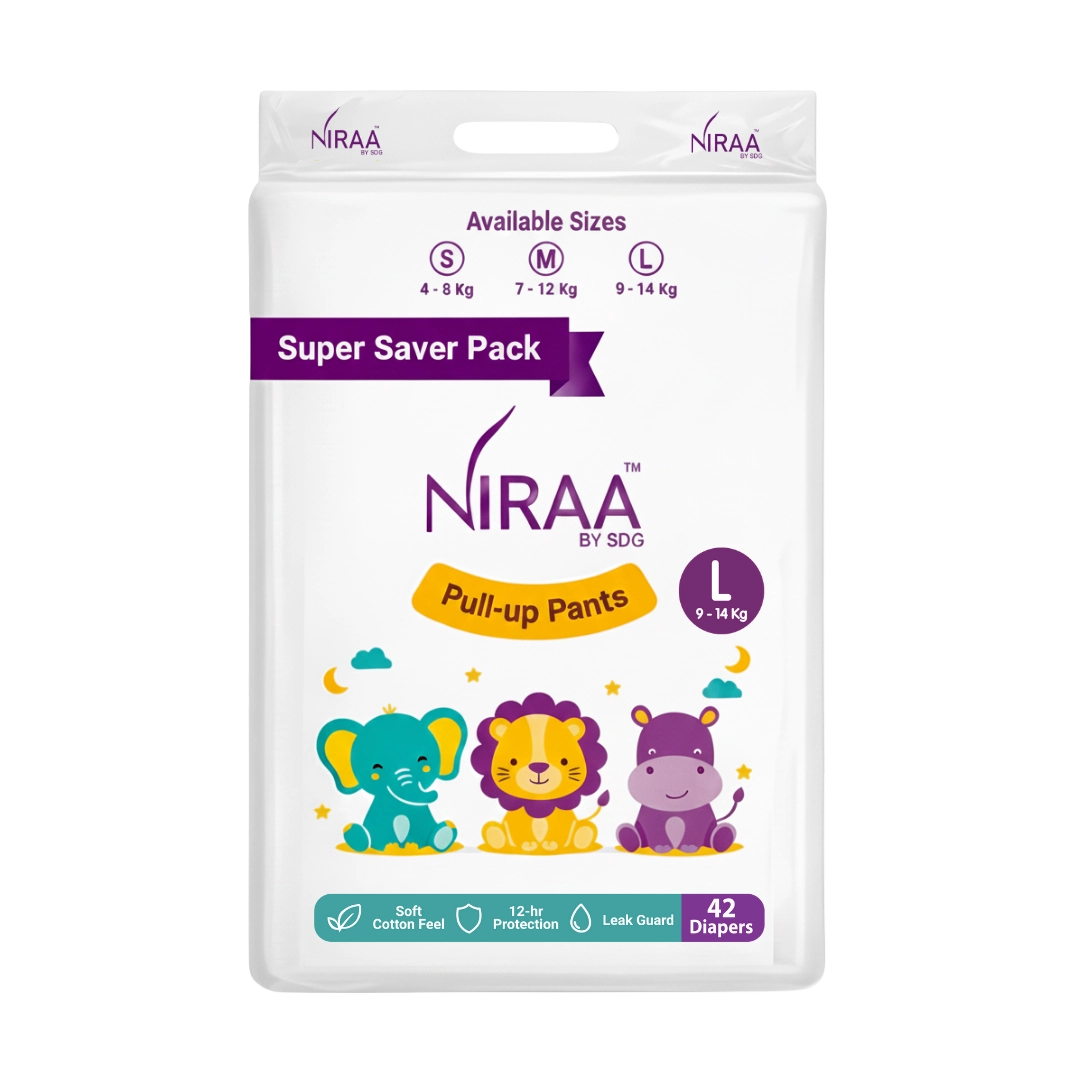
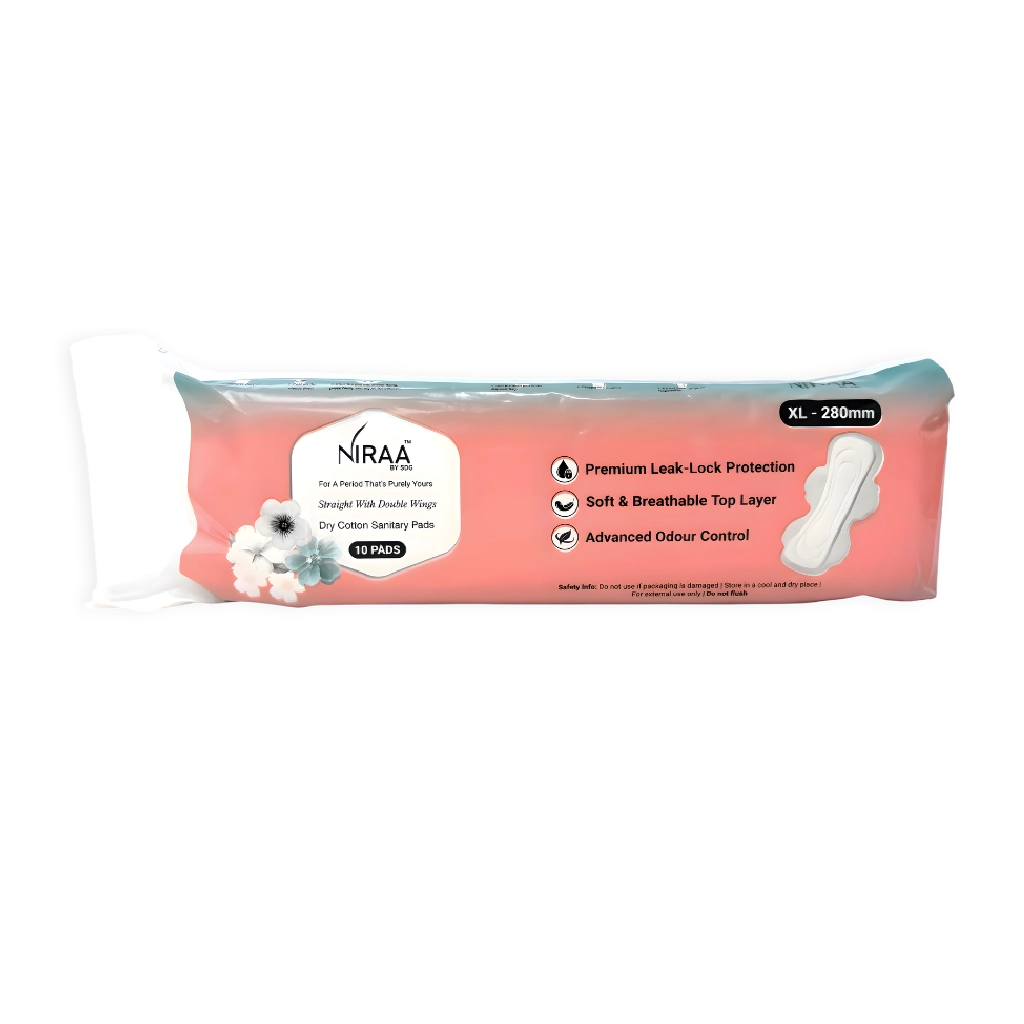
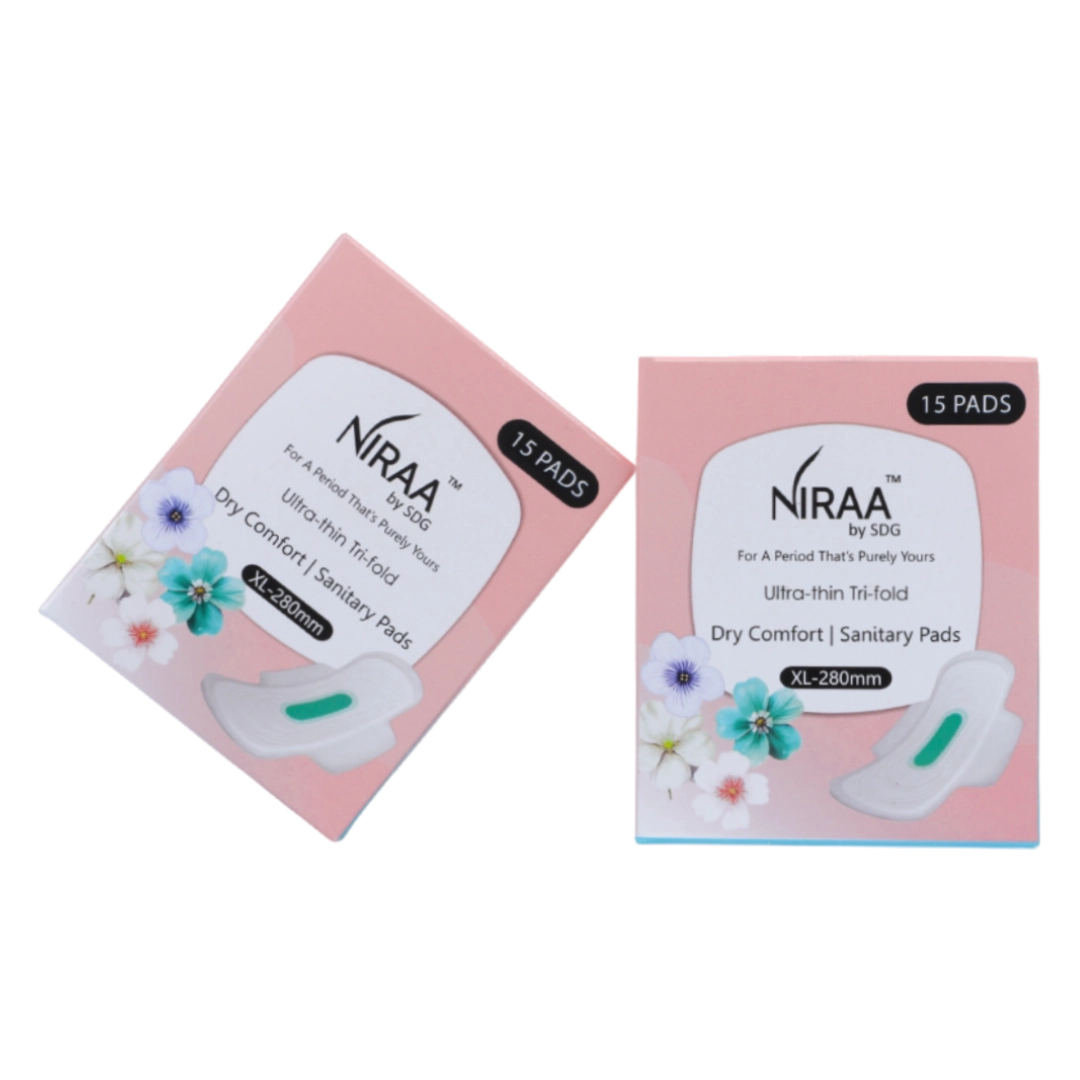
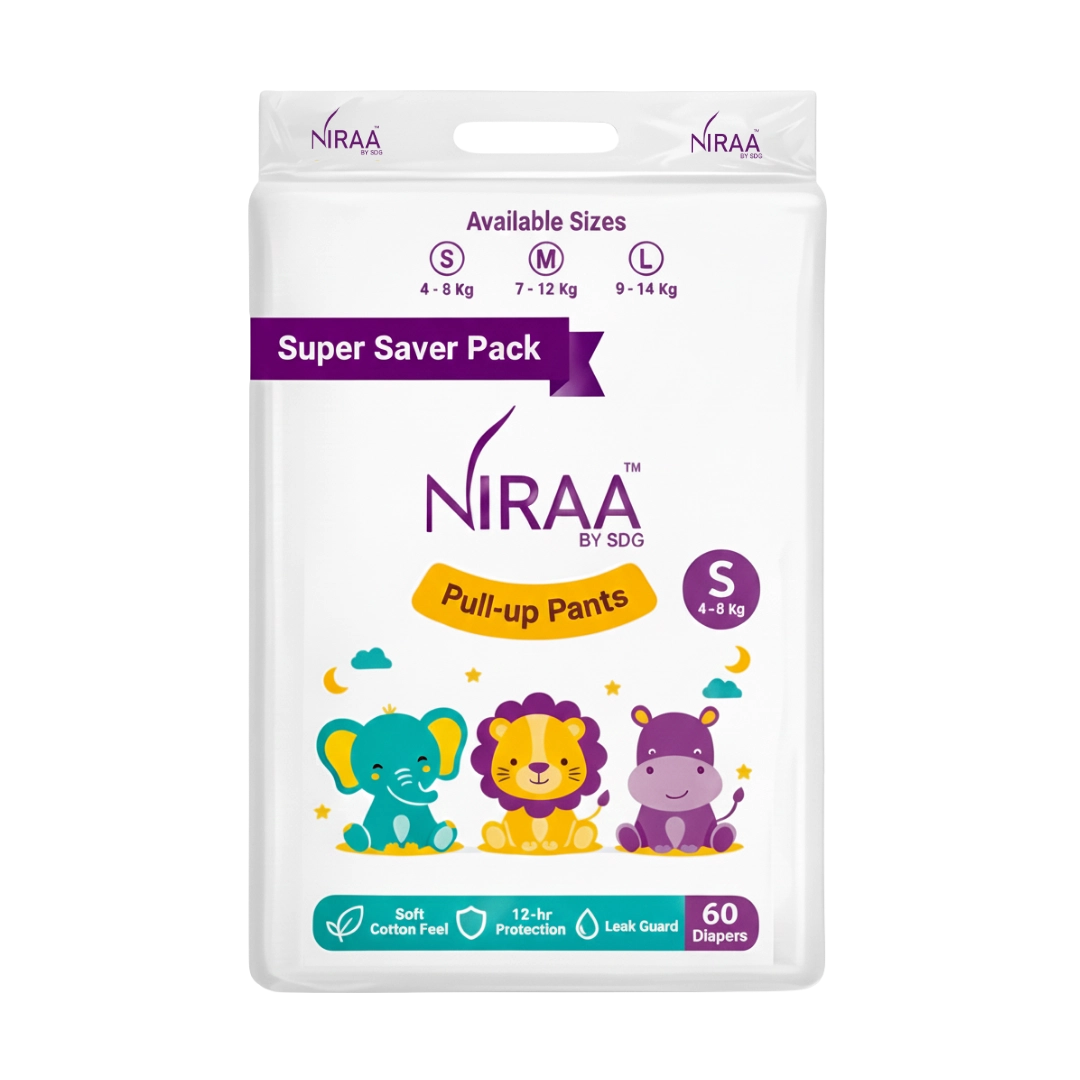
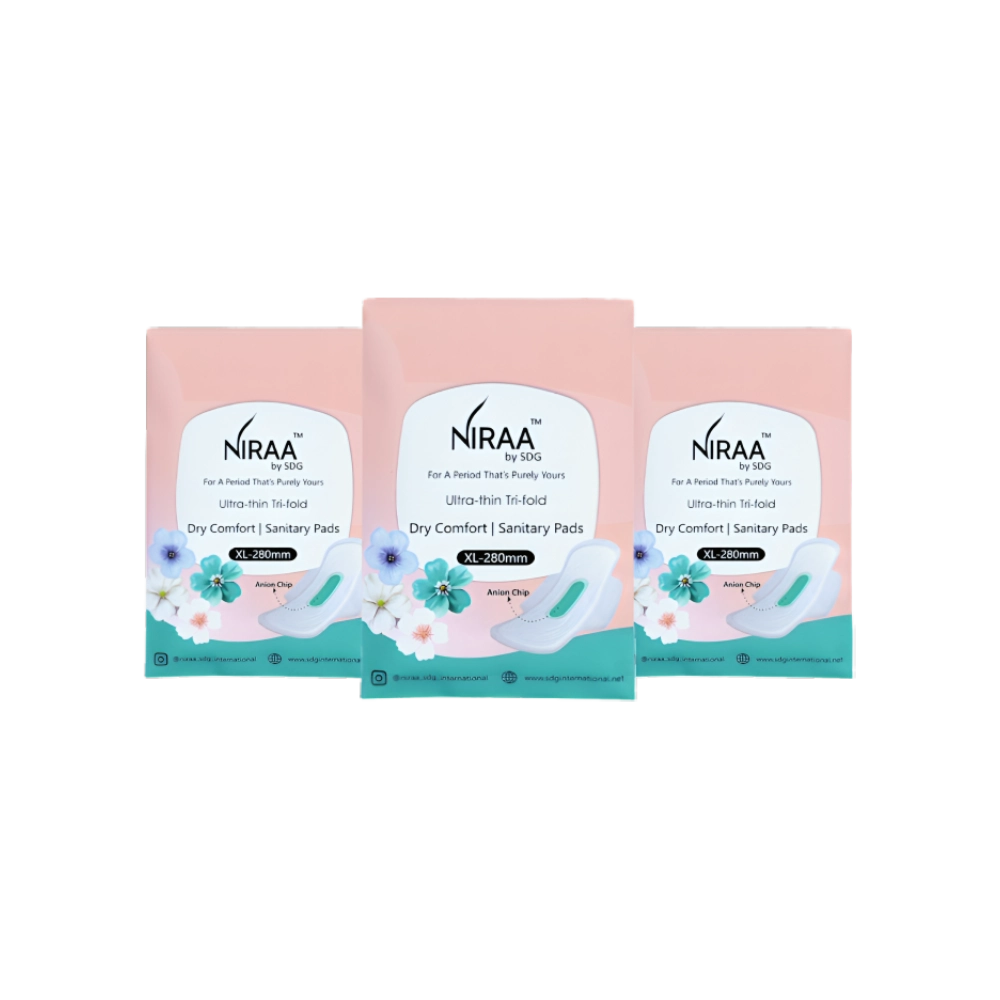
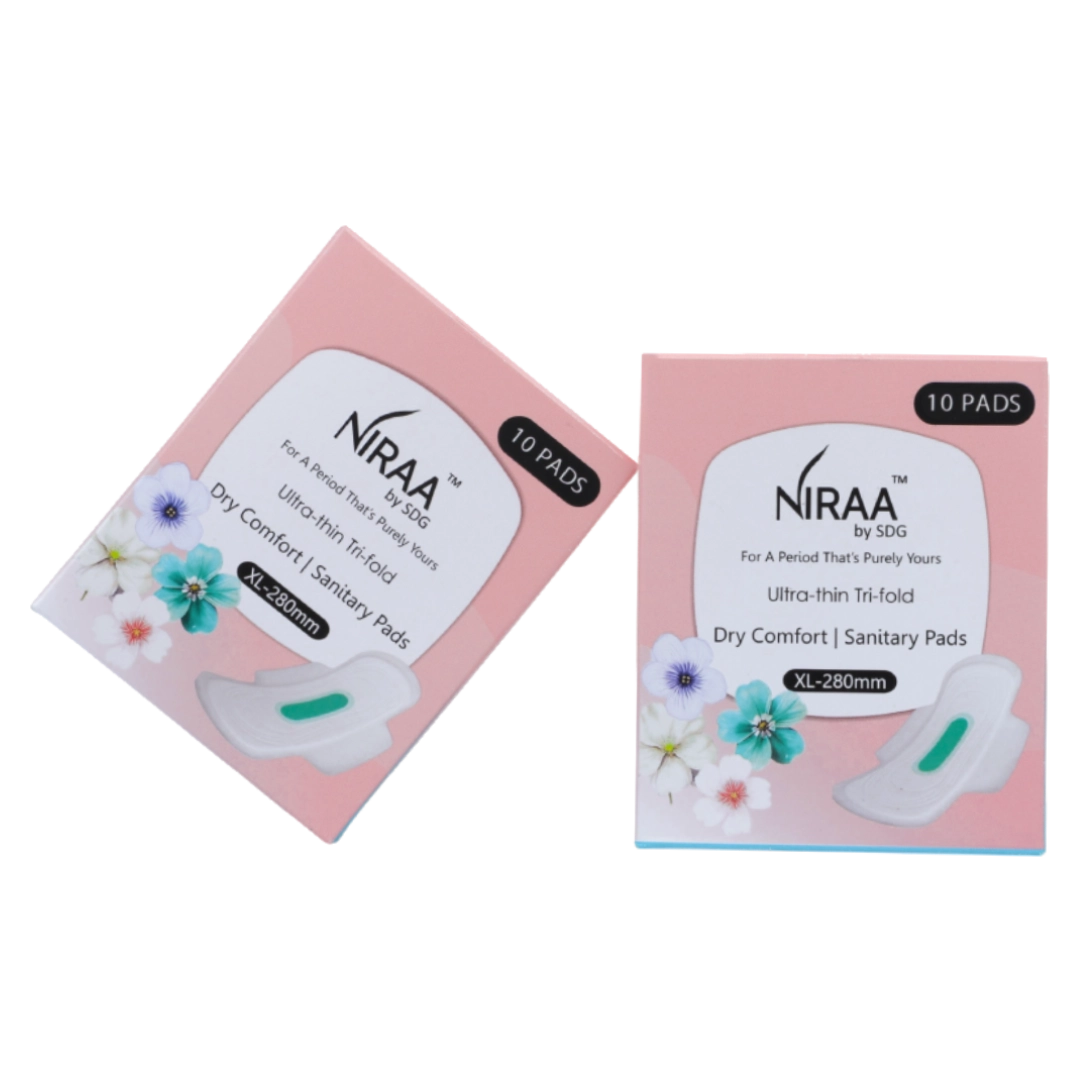
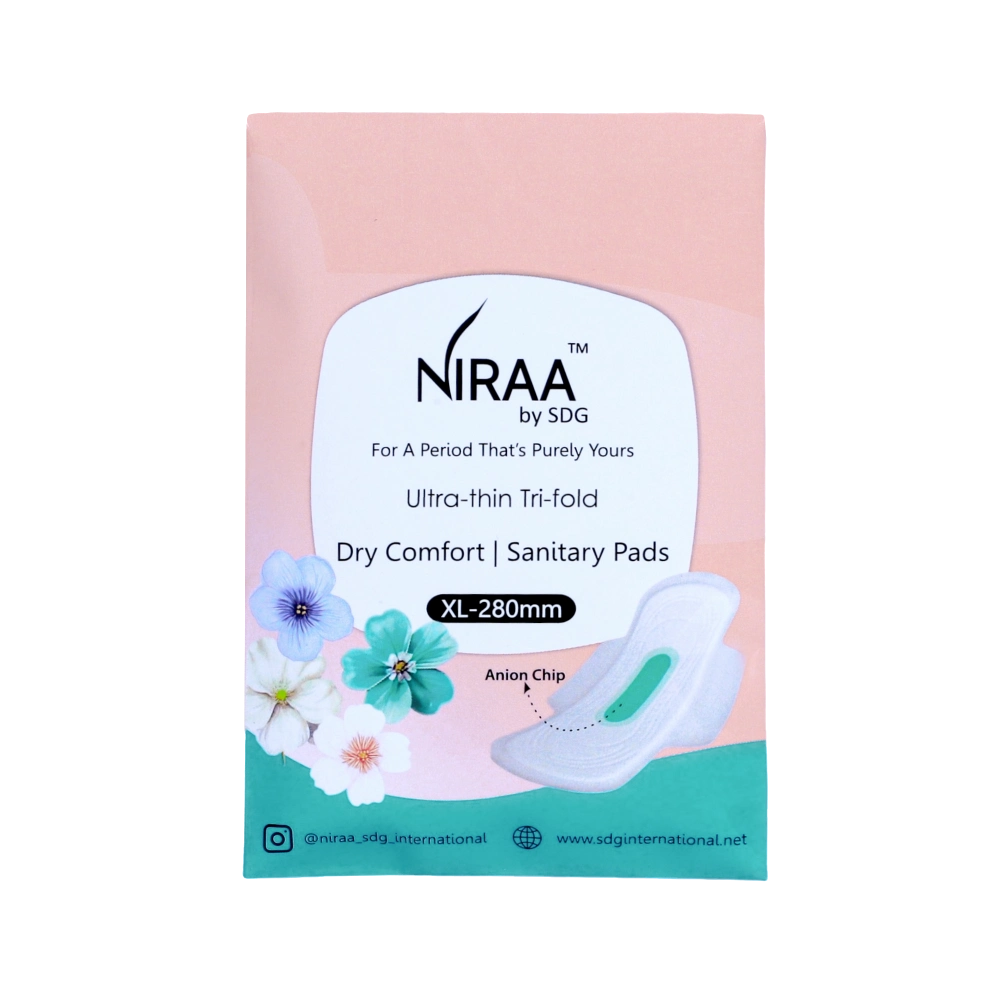
This perspective shapes how NIRAA designs its menstrual care solutions. Ultra-thin sanitary pads, straight pads, and travel-friendly options are created to support comfort and discretion during long school hours, travel, or daily routines. The focus remains on meeting real needs in practical situations.
For NIRAA, menstrual hygiene goes beyond products. It is about enabling dignity through access, awareness, and thoughtful care. When reliable hygiene solutions are combined with education and understanding, menstruation can be managed with confidence and without compromise.
Conclusion: A Landmark Step Toward Equality and Respect
The Supreme Court’s recognition of menstrual hygiene as a fundamental right represents an important shift in how dignity, health, and education are addressed in India. By placing menstrual hygiene within the constitutional framework, the ruling moves the conversation from silence toward responsibility and action.
For schools, the judgment establishes clear expectations around facilities and support. For governments, it reinforces accountability in implementation. For society, it sends a clear message that menstruation should never lead to discomfort, exclusion, or disadvantage. Access to hygiene, privacy, and care is essential for girls to participate confidently in daily life.
This ruling is not limited to infrastructure or policy changes. It recognises lived realities and reinforces that dignity must be upheld in practice. As implementation progresses, the judgment has the potential to support safer, more inclusive educational spaces where girls are able to learn and grow with confidence.