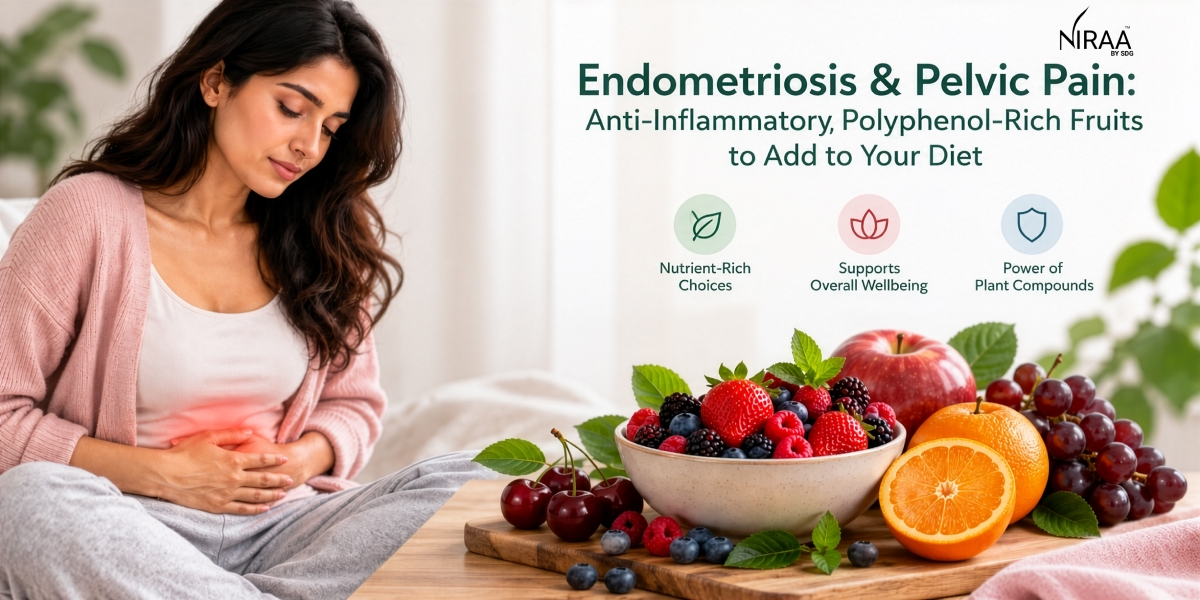
Endometriosis is a condition where tissue similar to the lining of the uterus grows outside the uterus. It can trigger inflammation in the pelvic area and is commonly associated with symptoms such as painful periods, pelvic pain and discomfort. Oxidative stress, which occurs when there is an imbalance between free radicals and the body’s antioxidant defences, may also be involved in the inflammatory processes linked to endometriosis.
Since inflammation and oxidative stress are important areas of interest in endometriosis research, scientists are also exploring whether everyday dietary choices can provide supportive benefits. An anti-inflammatory eating pattern draws on fibre, vitamins, minerals and naturally occurring plant compounds from a wide range of foods, rather than any single ingredient. Among these compounds are polyphenols, which are found in many plant foods and are being studied for their antioxidant and potential anti-inflammatory properties.
Including polyphenol-rich foods as part of a balanced diet may support overall nutritional health, but they should not be viewed as a treatment for endometriosis. No single food has been proven to cure the condition or directly relieve endometriosis-related pelvic pain. Instead, thoughtful food choices can complement appropriate medical care and may form part of a broader approach to supporting your health.
Can an Anti-Inflammatory Diet Help With Endometriosis?
Living with endometriosis can make you more aware of how your everyday habits affect your comfort and wellbeing. While food cannot cure endometriosis, choosing a balanced diet with plenty of nutrient-rich foods, similar to smart food choices explored for other hormonal conditions, may support your overall health. An anti-inflammatory eating pattern is one area researchers are exploring as a possible supportive approach.
Understanding Inflammation and Endometriosis
This ongoing inflammatory response is thought to contribute to the pain and discomfort many people with endometriosis experience day to day. It may also affect how tissue behaves in the pelvic area over time, which is why researchers continue to study it as a key area of interest in the condition. Because inflammation and oxidative stress are both linked to how the body responds to endometriosis, some researchers believe that dietary and lifestyle choices which support the body’s natural defences may play a supportive, though not curative, role.
Where Fruits Fit Into an Anti-Inflammatory Diet
Fruits can be an easy way to add more fibre, vitamins, minerals and natural plant compounds to your meals. Many fruits contain polyphenols and other antioxidants that researchers are studying for their possible role in supporting the body’s response to inflammation and oxidative stress. No single fruit does the heavy lifting here, so it helps to think in terms of what you eat across a whole week rather than any one meal.
What Current Research Says
Research on diet and endometriosis is growing, but there is still a lot to learn. Some studies suggest that eating more fruits and vegetables and following a nutrient-rich dietary pattern may be beneficial. However, the available research does not yet prove that a specific food or diet can prevent, treat or relieve endometriosis. This is why it is better to focus on a balanced and varied diet rather than looking for one “best” food.
How Polyphenol-Rich Fruits May Support the Body During Endometriosis
Polyphenols are natural compounds found in many plant-based foods. They are known for their antioxidant properties, which means they can help the body manage oxidative stress. Some polyphenols are also being studied for their potential role in supporting a healthy inflammatory response.
What Are Polyphenols?
Plants produce polyphenols largely as a defence mechanism, to protect themselves from sunlight, pests and other environmental stress. This is also why polyphenol content can vary so widely from one food to another, since it depends on factors like the plant’s colour, growing conditions and even how it is stored or prepared.
This variation is part of why nutrition experts encourage eating a range of colourful fruits rather than relying on one type. Different fruits bring different polyphenol profiles to your plate, so variety matters more than any single “superfood” choice.
Polyphenols, Inflammation and Oxidative Stress
Researchers are interested in polyphenols because of their antioxidant and potential anti-inflammatory properties. Some studies suggest that certain polyphenols may influence pathways involved in inflammation and oxidative stress. These include compounds such as resveratrol, quercetin and anthocyanins.
This research is particularly relevant to endometriosis because inflammation and oxidative stress are areas of interest in understanding the condition. However, most evidence on how individual polyphenols work comes from laboratory and experimental studies, so these findings do not necessarily mean that eating a particular food will reduce endometriosis symptoms.
From Laboratory Research to Real-Life Benefits
It is important to understand where the evidence comes from. Laboratory studies can help researchers understand how a compound may interact with cells or inflammatory pathways, while animal studies can provide further insights. Human studies are needed to determine whether these effects translate into meaningful health benefits.
For endometriosis, research on specific polyphenol-rich foods is still limited and evolving. So rather than viewing individual fruits as a treatment, it makes more sense to let them play a supporting role alongside the rest of what you eat.
Fruits Worth Adding to an Endometriosis-Friendly Diet
Adding different fruits to your diet can be a simple way to increase your intake of polyphenols and other nutrients. Each fruit provides a different mix of natural plant compounds, so focusing on variety can be more useful than looking for one “best” option. Here are some polyphenol-rich fruits that can fit into a balanced eating pattern.
Dark Grapes and Resveratrol
Dark grapes contain resveratrol, a polyphenol that has attracted interest for its antioxidant and potential anti-inflammatory properties. Hipólito-Reis and colleagues found that resveratrol may influence several processes linked to inflammation and endometriosis, largely through laboratory and animal-based research.
However, this is not the same as saying grapes can treat endometriosis or ease pelvic pain. Studies using resveratrol supplements, specifically, have also produced limited and mixed results so far. This is an important distinction because the amount of resveratrol obtained from food can differ considerably from the doses used in supplements. For this reason, grapes are best viewed as one nutritious fruit choice rather than a treatment.
Apples and Quercetin
Apples are a natural source of quercetin, a flavonoid with antioxidant properties. The same research team found quercetin may act on pathways involved in inflammation and oxidative stress, though this evidence also comes primarily from laboratory studies.
Including whole apples in your diet can also provide fibre and other nutrients. You can enjoy them on their own or add them to meals such as oats or yoghurt. Quercetin remains an interesting area of research, but no studies to date confirm that apples, on their own, ease endometriosis symptoms.
Berries and Anthocyanins
Berries can add a variety of polyphenols and antioxidants to your diet. Blueberries, strawberries, blackberries and raspberries contain different plant compounds, including anthocyanins in several varieties.
Rather than choosing one type of berry every time, rotating between different varieties can help you get a broader mix of naturally occurring plant compounds. They can also add fibre and other nutrients to your meals, making them a convenient addition to a balanced diet.
Cherries and Other Anthocyanin-Rich Fruits
Cherries are another fruit that contains anthocyanins, a group of plant compounds known for their antioxidant properties. Including cherries alongside other colourful fruits can add variety to your overall intake of polyphenol-rich foods.
As with other fruits, their role should be considered as part of an overall balanced diet. As things stand, research hasn’t established a direct link between any single fruit and endometriosis symptom relief, so cherries shouldn’t be relied on as a pelvic pain treatment.
Citrus Fruits and Vitamin C
Citrus fruits can contribute to an antioxidant-rich diet through nutrients such as vitamin C and naturally occurring flavonoids. Oranges, grapefruit and other citrus fruits can be easy to include as snacks or alongside meals.
Vitamin C is not a polyphenol, but it is an important antioxidant nutrient. Including citrus fruits alongside a variety of other fruits can therefore help broaden the range of nutrients and plant compounds in your diet.
Building a Daily Routine With These Fruits
Adding more fruit to your diet does not have to mean following a complicated meal plan. A simple approach is to include different types of fruit throughout the week and enjoy them in ways that fit naturally into your daily meals. The focus should be on variety, balance and consistency, rather than trying to eat one particular fruit every day.
Choose a Variety of Colours
A simple way to bring more variety into your fruit choices is to think about colour. Different coloured fruits contain different combinations of natural plant compounds, so rotating your choices can help you enjoy a broader range of nutrients.
- Red and purple: Choose from a variety of deeply coloured fruits.
- Blue: Add blue-coloured fruits when available.
- Orange and yellow: Include these for variety and additional nutrients.
- Green: Rotate in green fruits as part of your regular intake.
You do not need to include every colour in a single meal. The goal is simply to vary your choices across the week.
Prioritise Whole Fruits Over Fruit-Based Drinks
Whole fruits provide fibre along with their naturally occurring plant compounds. Fibre can support digestive health and also helps make fruit more filling than many fruit-based drinks.
When possible, choose whole fruit instead of relying heavily on juices or sweetened fruit drinks. You also do not need to assume that peeling every fruit makes it healthier. Choose the form that you enjoy and that works well for your diet and digestion.
Pair Fruits With Balanced Foods
Fruit can be combined with other nutritious foods to make snacks and meals more satisfying. For example, you can pair fruit with:
- Nuts or seeds
- Yoghurt, if tolerated
- Oats
- Other whole-food breakfast options
These combinations can make it easier to include fruit regularly without treating it as a standalone “remedy” for endometriosis.
Focus on Dietary Variety, Not One “Best” Fruit
There is no single fruit that has been proven to be the best choice for endometriosis. Different fruits provide different combinations of polyphenols, vitamins, minerals and fibre.
Instead of loading up on one fruit because it contains a particular compound, mix things up across the week. This keeps meals more enjoyable and naturally brings a wider spread of nutrients and plant compounds to your plate.
Should You Limit Any Fruits If You Have Endometriosis?
Having endometriosis does not mean you need to remove specific fruits from your diet. There is no universal list of fruits that everyone with endometriosis needs to avoid. Instead, it can be more helpful to pay attention to how certain foods fit into your overall diet and how your body responds to them.
Watch for Added Sugar in Processed Fruit Products
The main concern is often not the fruit itself, but processed foods made with fruit or added sugars. Sweetened fruit drinks, packaged snacks and highly processed fruit-based desserts may contain added sugar while offering less fibre and nutritional value than whole fruit.
Check food labels when buying packaged products, especially those marketed as fruit-based. Choosing whole fruit more often can help you get the natural fibre and nutrients that come with it.
Consider Your Individual Digestive Tolerance
Some people with endometriosis may also experience digestive symptoms such as bloating, abdominal discomfort or changes in bowel habits. If a particular fruit seems to trigger or worsen these symptoms, you may want to adjust the portion, preparation or frequency rather than removing all fruits from your diet.
Everyone’s tolerance can be different, so there is no need to follow a universal “bad fruit” list. If digestive symptoms are frequent, severe or difficult to manage, discussing them with a healthcare professional or qualified dietitian can help you identify an approach that suits your individual needs.
Can These Fruits Reduce Endometriosis-Related Pelvic Pain?
It is natural to wonder whether changing your diet, including fruits that may support period cramps, can help ease the pelvic pain associated with endometriosis. Polyphenol-rich fruits can be part of a balanced, nutrient-rich diet, but the science simply isn’t there yet to say any one fruit will reduce endometriosis-related pelvic pain directly.
Some research on compounds such as resveratrol, quercetin and anthocyanins has found interesting effects on inflammation and oxidative stress, particularly in laboratory studies. However, these findings do not automatically translate into pain relief in people with endometriosis. Research on specific foods is also more limited than research on individual compounds or broader dietary patterns.
For this reason, fruits are best viewed as one supportive part of your overall diet, rather than a treatment for pelvic pain. If you experience persistent, severe or worsening pelvic pain, it is important to speak with your healthcare professional to understand the cause and discuss appropriate treatment options.
Easy Ways to Add Polyphenol-Rich Fruits to Your Diet
Adding polyphenol-rich fruits to your routine does not need to be complicated. The easiest approach is to choose fruits you enjoy and include them in simple meals or snacks throughout the week. The table below gives you a quick starting point.
| Fruit | Key Plant Compounds | Simple Ways to Include |
|---|---|---|
| Dark grapes | Resveratrol, anthocyanins | As a snack or in a fruit bowl |
| Apples | Quercetin | Whole fruit or added to oats |
| Blueberries | Anthocyanins | With yoghurt or oats |
| Strawberries | Polyphenols, vitamin C | At breakfast or as a snack |
| Blackberries | Anthocyanins and other polyphenols | In a smoothie bowl or as a snack |
| Cherries | Anthocyanins | Whole fruit or with yoghurt |
| Oranges | Vitamin C, flavonoids | As a whole fruit or in a fruit bowl |
The aim is not to eat every fruit on this list every day. Instead, rotate different fruits throughout the week to add variety to your meals and increase your intake of different nutrients and plant compounds.
The Bottom Line
A balanced diet can be a useful part of supportive care for people living with endometriosis. Rotating polyphenol-rich fruits through your meals adds fibre, vitamins, minerals and naturally occurring plant compounds, building toward a more nourishing plate over time rather than any single dish.
However, research has not established any individual fruit as a treatment for endometriosis or pelvic pain. The potential benefits of compounds such as resveratrol, quercetin and anthocyanins are still being studied, so it is better to focus on dietary variety and overall balance rather than relying on one food or compound.
If you are managing endometriosis, consider these food choices as a complement to your healthcare plan, not a replacement for medical treatment.
Disclaimer: This article is for informational purposes only and is not intended as medical advice. It should not be used to diagnose, treat, cure or prevent any condition, including endometriosis. Always consult a qualified healthcare professional before making changes to your diet, especially if you are managing a medical condition or experiencing persistent symptoms.