One of the most common questions new parents ask is, “How often should I change my baby’s diaper?” The answer isn’t always as simple as changing it every few hours. Every baby is different, and the right diaper-changing routine depends on several factors, including their age, feeding pattern, sleep schedule, activity level, skin sensitivity, and how quickly their diaper becomes wet or soiled. While some newborns may need a fresh diaper after almost every feed, older babies often go longer between changes as their routines become more predictable.
Knowing how often you should change a baby’s diaper is about more than maintaining hygiene. Timely diaper changes help keep your baby dry, comfortable, and protected from unnecessary skin irritation. They can also reduce the risk of diaper rash, minimise discomfort, and support healthy skin, especially during India’s hot and humid weather, where moisture can build up more quickly. At the same time, changing a diaper more often than necessary may interrupt your baby’s sleep or daily routine.
In this complete guide, you’ll learn the recommended baby diaper change frequency for different age groups, the signs that tell you it’s time for a diaper change, whether babies need diaper changes at night, practical tips to help prevent diaper rash, and how choosing the right diaper can make everyday diapering easier for both you and your baby.
Why Changing Your Baby’s Diaper on Time Matters
Changing your baby’s diaper on time is one of the simplest yet most important steps in keeping them healthy and comfortable. A clean, dry diaper helps protect your baby’s delicate skin from prolonged exposure to moisture, urine, and stool, which can quickly lead to irritation. Since a baby’s skin is much more sensitive than an adult’s, even a short delay in changing a soiled diaper can increase the risk of discomfort and skin problems.
Regular diaper changes also play a key role in preventing diaper rash, reducing the chances of skin infections, and controlling unpleasant odours. A fresh diaper allows your baby to move, play, and sleep more comfortably, while helping to reduce fussiness caused by a wet or dirty diaper. For parents, checking diapers regularly is also a useful way to monitor hydration, as the number of wet diapers can indicate whether a baby is getting enough fluids.
During warmer months or humid weather, moisture tends to build up more quickly inside a diaper, making timely changes even more important. Pairing a consistent diaper-changing routine with a soft, absorbent diaper can help keep your baby dry for longer and support healthy skin throughout the day.
Did You Know?
A baby’s outermost skin layer (the stratum corneum) is around 30% thinner than an adult’s, and the layer beneath it is about 20% thinner, according to skin microstructure research (Stamatas et al., Pediatric Dermatology, 2010). This makes a baby’s skin more delicate and more vulnerable to irritation from prolonged contact with urine and stool, which is why changing diapers promptly is an important part of maintaining healthy skin and preventing diaper rash.
How Often Should You Change a Baby’s Diaper?
Quick Answer: Change your baby’s diaper whenever it becomes wet or soiled. As a general guideline, newborns usually need a diaper change every 2 to 3 hours, while older babies can often go longer between changes depending on their age, feeding routine, and the diaper’s absorbency. Regardless of age, always change a diaper immediately after a bowel movement to help keep your baby’s skin clean and healthy.
There is no one-size-fits-all diaper-changing schedule because every baby has different feeding habits, sleep patterns, and daily routines. Some babies wet their diapers more frequently, while others may stay dry for longer, especially as they grow. Rather than relying only on the clock, parents should also look for signs such as a heavy diaper, a wetness indicator changing colour, leakage, or fussiness.
Below is a general age-wise guide to help you understand the recommended diaper change frequency for different stages of your baby’s growth.
Newborns (0 to 3 Months)
Newborns require the most frequent diaper changes because they feed every few hours and produce frequent wet and dirty diapers. During the first few months, expect to change your baby’s diaper every 2 to 3 hours, or whenever it becomes wet or soiled. Most newborns use around 8 to 12 diapers a day, although this can vary depending on feeding patterns.
It’s especially important to change diapers immediately after every bowel movement. Newborn skin is extremely delicate, and prolonged contact with stool can quickly lead to irritation and diaper rash.
Babies (3 to 6 Months)
As babies grow, their feeding and sleeping routines gradually become more predictable. During this stage, most babies need a diaper change every 3 to 4 hours and typically use around 6 to 8 diapers each day.
Many diapers at this stage include a wetness indicator, making it easier for parents to know when it’s time for a change. However, don’t rely on the indicator alone. If your baby seems uncomfortable, the diaper feels heavy, or there is any leakage, it’s best to change it promptly.
Babies (6 to 12 Months)
Once babies start eating solid foods, their diaper-changing routine may change again. Most babies between 6 and 12 months need a fresh diaper every 4 to 5 hours, with an average of 5 to 7 diapers per day.
Because babies become more active during this stage, they may not always show obvious signs of discomfort when wearing a wet diaper. Regular checks and timely changes help prevent leaks, keep your baby comfortable during playtime, and reduce the risk of skin irritation.
Toddlers
Toddlers generally need fewer diaper changes than younger babies, but regular checks are still important. Most toddlers use around 4 to 6 diapers a day, depending on their toilet training progress, fluid intake, and daily activities.
Even if your toddler stays dry for longer periods, always change a dirty diaper immediately. Keeping a consistent diaper-changing routine helps maintain comfort, supports healthy skin, and prevents leaks during active play.
Age-Wise Diaper Change Guide
| Baby’s Age | Recommended Frequency |
|---|---|
| 0 to 3 Months | Every 2 to 3 hours |
| 3 to 6 Months | Every 3 to 4 hours |
| 6 to 12 Months | Every 4 to 5 hours |
| Toddlers | As needed |
Remember: These are general recommendations. Your baby’s diaper-changing routine may vary depending on their feeding habits, health, activity level, weather conditions, and individual needs. The best approach is to combine an age-based schedule with regular diaper checks and your baby’s own cues.
A Simple Diaper Change Rule Every Parent Can Follow
While every baby has different diaper-changing needs, following a simple routine can help you keep your little one clean, comfortable, and protected from skin irritation. Instead of relying only on the clock, combine an age-based schedule with regular diaper checks and your baby’s cues. This practical approach makes it easier to know when it’s time for a fresh diaper, whether you’re at home or on the go.
Here are a few easy rules that most parents can follow:
- Check newborn diapers every 2 to 3 hours, even if they don’t seem uncomfortable.
- Check older babies every 3 to 4 hours, as they may stay dry for longer between feeds.
- Always change a diaper immediately after a bowel movement to help prevent diaper rash and skin irritation.
- Never ignore leakage, as it usually means the diaper is full or no longer fitting properly.
- Watch your baby’s cues, such as fussiness, restlessness, or pulling at the diaper, instead of relying only on a schedule.
- When in doubt, check the diaper. A quick look can help avoid discomfort and keep your baby feeling fresh.
Remember, diaper-changing routines are a guide, not a strict rulebook. Some babies may need more frequent changes due to their feeding habits, sensitive skin, or warm weather conditions. Paying attention to your baby’s comfort while following these simple guidelines will help you build a routine that works best for your family.
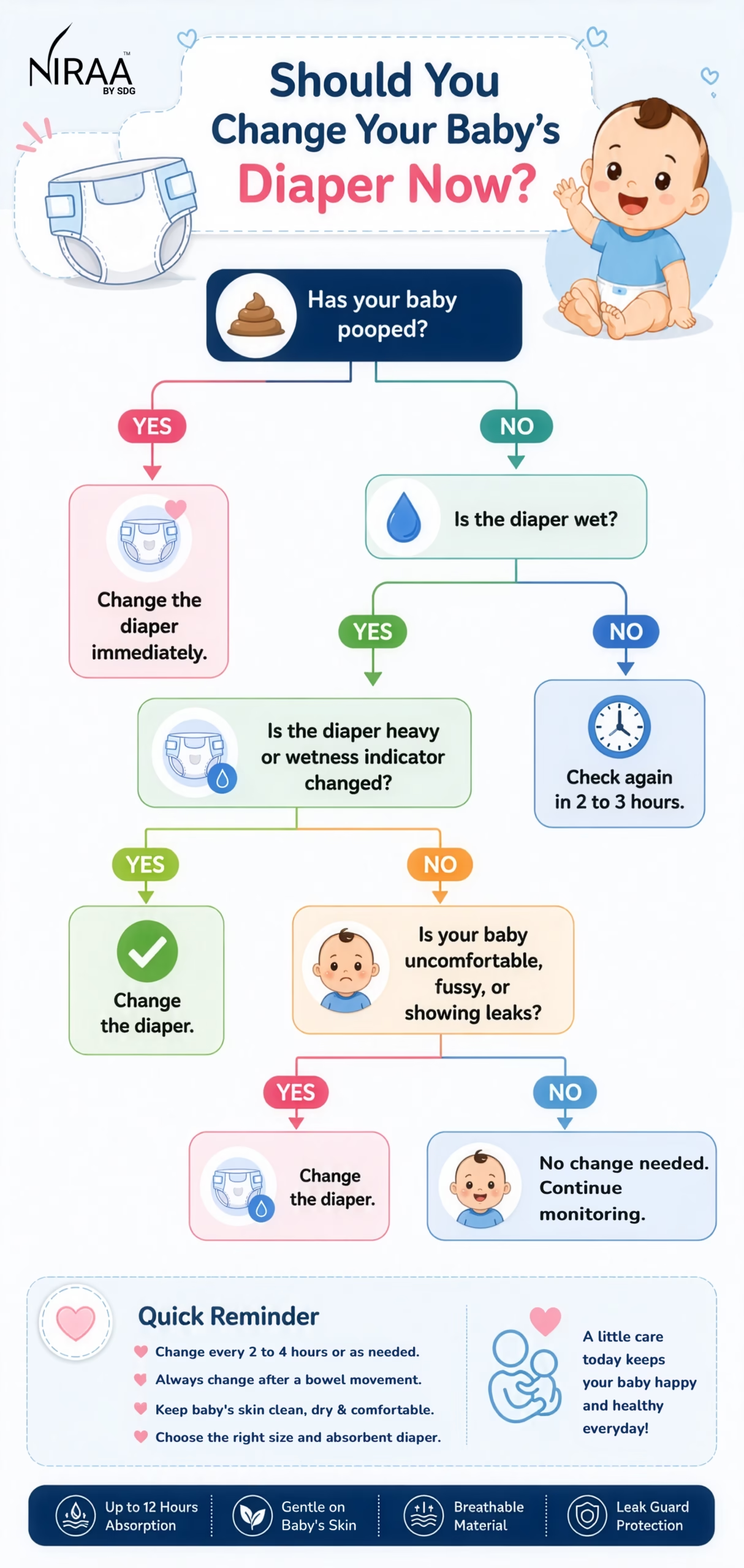
Signs Your Baby Needs a Diaper Change
Every baby has their own diaper-changing routine, but they also give clear signs when it’s time for a fresh diaper. Learning to recognise these signals can help you change your baby’s diaper before they become uncomfortable or develop skin irritation. While checking the diaper at regular intervals is a good habit, paying attention to your baby’s behaviour and the condition of the diaper is equally important.
Wetness Signs
One of the easiest ways to know it’s time for a diaper change is by checking the diaper itself. Many modern diapers include a wetness indicator that changes colour when the diaper becomes wet, making it easier for parents to know when a change may be needed.
Look for these signs:
- The wetness indicator changes colour, showing that the diaper has absorbed urine.
- The diaper feels heavy or bulky compared to when it was first put on.
- A sagging diaper, especially between the legs, often means it has reached its absorbency limit.
- Leakage around the legs or waistband, which usually indicates the diaper is too full or needs replacing.
Changes in Your Baby’s Behaviour
Babies often show discomfort before a diaper becomes visibly full. Paying attention to these behavioural cues can help you respond sooner.
Watch for signs such as:
- Fussiness or unexplained crying
- Restlessness during play or sleep
- Pulling at the diaper or trying to remove it
- Sudden discomfort even after feeding or being comforted
While these behaviours can have many causes, it’s always worth checking the diaper first.
Visible Signs You Shouldn’t Ignore
Some signs clearly indicate that your baby’s diaper should be changed immediately.
These include:
- A bowel movement (stool), even if the diaper doesn’t feel very full.
- A strong odour, suggesting the diaper has been soiled.
- Redness or irritation around the diaper area, which may indicate that moisture has been in contact with the skin for too long.
Checking for these signs regularly helps keep your baby clean, comfortable, and protected from diaper rash. When you’re unsure, it’s always better to check the diaper than to wait, as timely changes play an important role in maintaining healthy skin.
Wet Diaper vs Dirty Diaper: When Should You Change Immediately?
Not every diaper change is equally urgent. While both wet and dirty diapers should be changed regularly, knowing the difference can help you decide when your baby needs immediate attention. The right timing depends on your baby’s comfort, skin sensitivity, and the condition of the diaper.
Wet Diaper
A wet diaper doesn’t always need to be changed the moment your baby urinates, especially if you’re using a high-quality, absorbent diaper that keeps moisture away from the skin. It’s fine to wait a short while if your baby is comfortable, the diaper is only lightly wet, and there’s no leakage or odour.
That said, don’t leave a wet diaper on for too long. Use the wetness and comfort signs covered earlier to decide when it’s time for a fresh one. Babies with sensitive skin may need more frequent changes, even if the diaper isn’t completely full.
Dirty Diaper
A dirty diaper should always be changed immediately, regardless of when it was last changed. Stool contains natural enzymes and bacteria that can quickly irritate your baby’s delicate skin when left in contact for too long. Even a highly absorbent diaper cannot protect the skin from the effects of a soiled diaper.
Promptly changing a dirty diaper helps reduce the risk of diaper rash, skin irritation, and infection while keeping your baby clean and comfortable.
Quick Tip
If you’re ever unsure whether to wait or change the diaper, follow this simple rule:
- Wet diaper: Check the diaper’s condition and your baby’s comfort before deciding.
- Dirty diaper: Change it immediately, every time.
This simple habit goes a long way in protecting your baby’s skin and making diaper time more comfortable for both you and your little one.
What Happens If You Delay Diaper Changes?
Delaying a diaper change from time to time may seem harmless, especially if your baby is sleeping or you’re away from home. However, leaving a wet or dirty diaper on for too long can affect your baby’s comfort and increase the risk of skin problems. Since a baby’s skin is delicate and more sensitive than an adult’s, prolonged exposure to moisture and stool can quickly lead to irritation.
Here are some of the common effects of delaying diaper changes:
Increased Risk of Diaper Rash
One of the most common consequences of delayed diaper changes is diaper rash. When urine and stool remain in contact with the skin for an extended period, they can break down the skin’s natural protective barrier. This may lead to redness, soreness, and discomfort, especially in babies with sensitive skin.
Skin Irritation and Redness
Even if your baby hasn’t developed a rash, a damp diaper can make the skin irritated and inflamed. Friction between wet skin and the diaper may cause redness, particularly around the thighs, waist, and bottom.
Higher Chance of Leakage
An overfilled diaper is more likely to leak, which can leave your baby’s clothes, bedding, or pram wet. Frequent leaks may also indicate that the diaper has reached its absorbency limit or that it’s time to move to the next diaper size.
Unpleasant Odours
A diaper that isn’t changed promptly can develop a stronger odour as urine and stool remain trapped inside. Regular diaper changes help maintain better hygiene and keep your baby feeling fresh throughout the day.
Greater Discomfort and Fussiness
Babies often become restless or fussy when wearing a wet or dirty diaper for too long. A fresh diaper can help them feel more comfortable during feeding, playtime, and sleep.
Disturbed Sleep
A soaked or soiled diaper may interrupt your baby’s sleep, causing them to wake up uncomfortable or unsettled. Keeping your baby’s diaper clean before naps and bedtime can support more restful sleep, although it’s not always necessary to wake a sleeping baby for a lightly wet diaper.
Extra Care During Hot and Humid Weather
Warm and humid conditions can cause moisture to build up more quickly inside the diaper, increasing the chances of skin irritation. During Indian summers and monsoons, checking your baby’s diaper more frequently can help keep their skin dry and comfortable.
Babies with Sensitive Skin May Need More Frequent Changes
Some babies have naturally sensitive skin and may develop redness even after a short period in a wet diaper. If your baby is prone to irritation or recurring diaper rash, more frequent diaper checks and prompt changes can help protect their skin.
Parent Tip: A simple habit of checking your baby’s diaper regularly, rather than waiting until it’s completely full, can go a long way in preventing discomfort, leaks, and diaper rash. Small, timely changes make a big difference to your baby’s comfort and skin health.
Should You Change Your Baby’s Diaper at Night?
Night-time diaper changes can be confusing for many parents. On one hand, you want to keep your baby clean and comfortable. On the other hand, waking a sleeping baby for every wet diaper can disrupt their sleep and yours. The good news is that not every wet diaper requires an immediate night-time change. The right approach depends on whether the diaper is wet or soiled, how full it is, and whether your baby is comfortable.
When You Should Change It
There are certain situations where changing your baby’s diaper during the night is the best choice for their comfort and skin health.
Your Baby Has Pooped
A dirty diaper should always be changed as soon as possible, even during the night. Stool can irritate your baby’s delicate skin quickly and increase the risk of diaper rash if left in contact with the skin for too long.
The Diaper Is Leaking
If urine has leaked onto your baby’s clothes or bedding, it’s a clear sign that the diaper has reached its absorbency limit. Changing the diaper promptly will help keep your baby dry and comfortable for the rest of the night.
Your Baby Has Diaper Rash
If your baby already has redness or diaper rash, frequent diaper changes are especially important. Leaving a wet diaper on for too long can worsen irritation and slow the healing process.
The Diaper Feels Extremely Full
Even without visible leaks, an overly full diaper can feel bulky and uncomfortable. If it is heavily soaked, changing it before your baby becomes unsettled can help them sleep more comfortably.
When You May Not Need To
Not every wet diaper needs an immediate night-time change. In some situations, it’s perfectly fine to let your baby continue sleeping.
You may not need to wake your baby if:
- They are sleeping peacefully and the diaper is only lightly wet.
- There are no signs of leakage or discomfort.
- They are wearing a well-fitting, highly absorbent overnight diaper designed to lock away moisture.
Allowing your baby to continue sleeping can be beneficial for their rest, provided the diaper isn’t causing discomfort or putting their skin at risk.
Practical Tips for Night-Time Diaper Changes
A few simple habits can make overnight diaper changes quicker and less disruptive.
- Change your baby’s diaper before bedtime to help them stay comfortable for longer.
- Check the diaper after your baby wakes up, especially after long stretches of sleep.
- Keep the lights dim to avoid fully waking your baby.
- Keep nappies, wipes, and a clean change of clothes within easy reach so you can change the diaper quickly.
- Minimize talking, playing, or bright lights during night-time changes to help your baby settle back to sleep more easily.
Parent Tip: If your baby is sleeping soundly in a lightly wet diaper and there are no signs of leakage, stool, or skin irritation, you generally don’t need to wake them just for a diaper change. Prioritising both your baby’s comfort and uninterrupted sleep can help establish a healthier night-time routine.
Should You Change the Diaper Before or After Feeding?
Many new parents wonder whether it’s better to change their baby’s diaper before or after feeding. The truth is, there isn’t a single right answer. The best timing often depends on your baby’s age, feeding habits, and whether they usually pass urine or stool during or after a feed. Understanding your baby’s routine can help make diaper changes smoother and more comfortable for both of you.
Before Feeding
Changing your baby’s diaper before feeding can work well in many situations, especially if the diaper is already wet or soiled. A fresh diaper helps your baby feel more comfortable during feeding and reduces the chances of needing to interrupt the feed for a diaper change.
Some benefits of changing the diaper before feeding include:
- Your baby may be calmer and more comfortable during the feed.
- There’s less chance of waking a sleepy baby after feeding.
- It creates a clean and comfortable feeding experience.
- It can become part of a consistent feeding routine, especially for older babies.
After Feeding
For many newborns, changing the diaper after feeding may be the better option. It’s common for young babies to pass stool shortly after or even during a feed due to their developing digestive system. Waiting until the feed is complete may help you avoid changing the diaper twice within a short period.
Changing the diaper after feeding can be helpful because:
- Many newborns have a bowel movement after feeding.
- It may reduce the need for an immediate second diaper change.
- Your baby is more likely to have emptied their bladder and bowels, leaving them feeling clean and comfortable.
If your baby tends to fall asleep during feeding, try to change the diaper gently without overstimulating them. Keeping the room calm and avoiding bright lights can help them settle back to sleep more easily.
Parent Tip: Every baby develops their own feeding and diaper-changing routine. Observe your baby’s patterns over a few days to see whether changing the diaper before or after feeding works best. The goal is to keep your baby comfortable while making feeds and diaper changes as smooth as possible.
How Many Diapers Does a Baby Use in a Day?
Alongside frequency, many parents also want a general sense of how many diapers to keep on hand each day. While there isn’t an exact number that applies to every baby, daily diaper usage generally decreases as babies grow older, influenced by feeding routine, overall health, and bladder and bowel habits.
The table below provides a general estimate of the average number of diapers babies use at different stages of growth.
| Age | Average Daily Diapers |
|---|---|
| 0 to 3 Months | 8 to 12 |
| 3 to 6 Months | 6 to 8 |
| 6 to 12 Months | 5 to 7 |
| Toddlers | 4 to 6 |
These numbers are only general guidelines and shouldn’t be treated as a strict target. Some babies may need more frequent diaper changes, while others may use fewer diapers in a day. For example, newborns usually require more changes because they feed frequently and produce more wet and dirty diapers. As babies begin eating solid foods and develop more predictable routines, the number of diaper changes often decreases.
Instead of focusing only on the number of diapers used each day, pay attention to your baby’s comfort and diaper condition. Regularly checking for wetness, bowel movements, leakage, or signs of discomfort will help you decide when a fresh diaper is needed. A well-fitting, absorbent diaper paired with timely changes can help keep your baby dry, comfortable, and protected throughout the day.
Common Diaper Changing Mistakes Parents Should Avoid
Even with the best intentions, it’s easy for parents to make small mistakes during diaper changes, especially in the early months. While these habits may seem harmless, they can lead to discomfort, leaks, or skin irritation over time. Being aware of these common mistakes can help you create a safer and more comfortable diaper-changing routine for your baby.
Waiting Too Long to Change the Diaper
One of the most common mistakes is leaving a wet or dirty diaper on for too long. Even if your baby doesn’t seem uncomfortable, prolonged contact with urine or stool can irritate their delicate skin and increase the risk of diaper rash. Regular diaper checks throughout the day help prevent this.
Choosing the Wrong Diaper Size
A diaper that’s too small may feel tight and leave red marks on your baby’s skin, while one that’s too large can cause gaps around the legs and waist, leading to leaks. As your baby grows, regularly check that the diaper still provides a snug yet comfortable fit without restricting movement.
Fastening the Diaper Too Tightly
A secure fit is important, but fastening the diaper too tightly can make your baby uncomfortable and reduce airflow around the diaper area. The diaper should fit comfortably around the waist and legs without leaving deep marks or making it difficult for your baby to move freely.
Using Harsh Wipes
Baby wipes containing strong fragrances or alcohol may irritate sensitive skin, especially if your baby is prone to diaper rash. Choose gentle, baby-friendly wipes or use a soft cloth with warm water when needed, particularly if the skin is already irritated.
Skipping Barrier Cream When Needed
Barrier creams aren’t necessary during every diaper change, but they can be helpful if your baby has sensitive skin, frequent loose stools, or early signs of redness. Applying a thin layer, when recommended by your paediatrician, creates a protective barrier that helps reduce moisture-related irritation.
Changing Only After Leaks Occur
If you’re waiting until the diaper leaks before changing it, you’re likely waiting too long. Leaks usually indicate that the diaper has reached its absorbency limit or may no longer be the right size. Regular checks help keep your baby dry and prevent unnecessary discomfort.
By avoiding these common mistakes and following a consistent diaper-changing routine, you can help keep your baby’s skin healthy, reduce the risk of leaks and diaper rash, and make every diaper change a more comfortable experience for both you and your little one.
Tips to Help Prevent Diaper Rash
Diaper rash is one of the most common skin concerns in babies, but the good news is that it can often be prevented with a few simple daily habits. Keeping your baby’s skin clean, dry, and protected plays a key role in reducing irritation. Along with timely diaper changes, choosing a well-fitting and absorbent diaper can help create a healthier environment for your baby’s delicate skin.
Here are some practical tips to help prevent diaper rash:
Change Diapers Promptly
The longer urine or stool stays in contact with your baby’s skin, the greater the chance of irritation. Check your baby’s diaper regularly and change it as soon as it becomes heavily wet or soiled. Prompt diaper changes are one of the most effective ways to prevent diaper rash.
Clean the Diaper Area Gently
Use soft baby wipes or a clean cloth with lukewarm water to gently clean your baby’s skin during every diaper change. Avoid rubbing the skin, as this can cause additional irritation, especially if the area is already sensitive.
Pat the Skin Dry
After cleaning, gently pat the diaper area dry with a soft towel or allow it to air dry for a few moments before putting on a fresh diaper. Avoid rubbing the skin, as moisture trapped under the diaper can increase the risk of irritation.
Give Your Baby Some Diaper-Free Time
Allowing your baby to spend a few minutes without a diaper each day helps the skin breathe and reduces moisture build-up. Even a short period of diaper-free time can support healthy skin and lower the risk of diaper rash.
Choose Breathable and Absorbent Diapers
A good-quality diaper should quickly absorb moisture and keep it away from your baby’s skin while allowing air to circulate. Breathable materials and effective absorbency help keep the diaper area drier for longer, reducing the chances of skin irritation.
Make Sure the Diaper Fits Properly
A diaper that is too tight can trap moisture and create friction, while one that is too loose may lead to leaks. Choose the correct diaper size for your baby’s weight and stage of growth to ensure a comfortable, secure fit.
Use Barrier Cream When Needed
If your baby has sensitive skin or is prone to diaper rash, applying a thin layer of barrier cream during diaper changes may help protect the skin from excess moisture. If the rash is severe, persistent, or keeps returning, consult your paediatrician for appropriate advice before using medicated creams.
Avoid Fastening the Diaper Too Tightly
Leave enough room around the waist and legs for comfortable movement and airflow. A properly fitted diaper helps reduce friction and allows the skin to stay cooler and drier throughout the day.
Expert Tip:
Small daily habits can make a big difference. Ensuring your baby’s skin is completely dry before putting on a fresh diaper, along with regular diaper changes and a properly fitting diaper, can significantly reduce the risk of diaper rash and help keep your baby comfortable every day.
Choosing the Right Diaper for Every Stage of Your Baby’s Growth
Changing your baby’s diaper at the right time is only part of keeping them comfortable. Choosing the right diaper for their age, size, and activity level is just as important. A well-fitting diaper helps reduce leaks, keeps moisture away from the skin, and allows your baby to move freely throughout the day. As your little one grows and becomes more active, their diaper needs will also change.
Tape Diapers
Tape diapers are an excellent choice for newborns and young babies who spend most of their time lying down. They are designed to make frequent diaper changes easier while providing a secure and comfortable fit.
Tape diapers are best for:
- Newborns and young infants
- Frequent diaper changes during the first few months
- Easy fastening while your baby is lying down
- Parents who need better control over the fit around the waist and legs
If you’re caring for a newborn, choosing soft and comfortable tape diapers can make frequent diaper changes much easier while helping keep your baby’s delicate skin dry and protected.
Pant Style Diapers
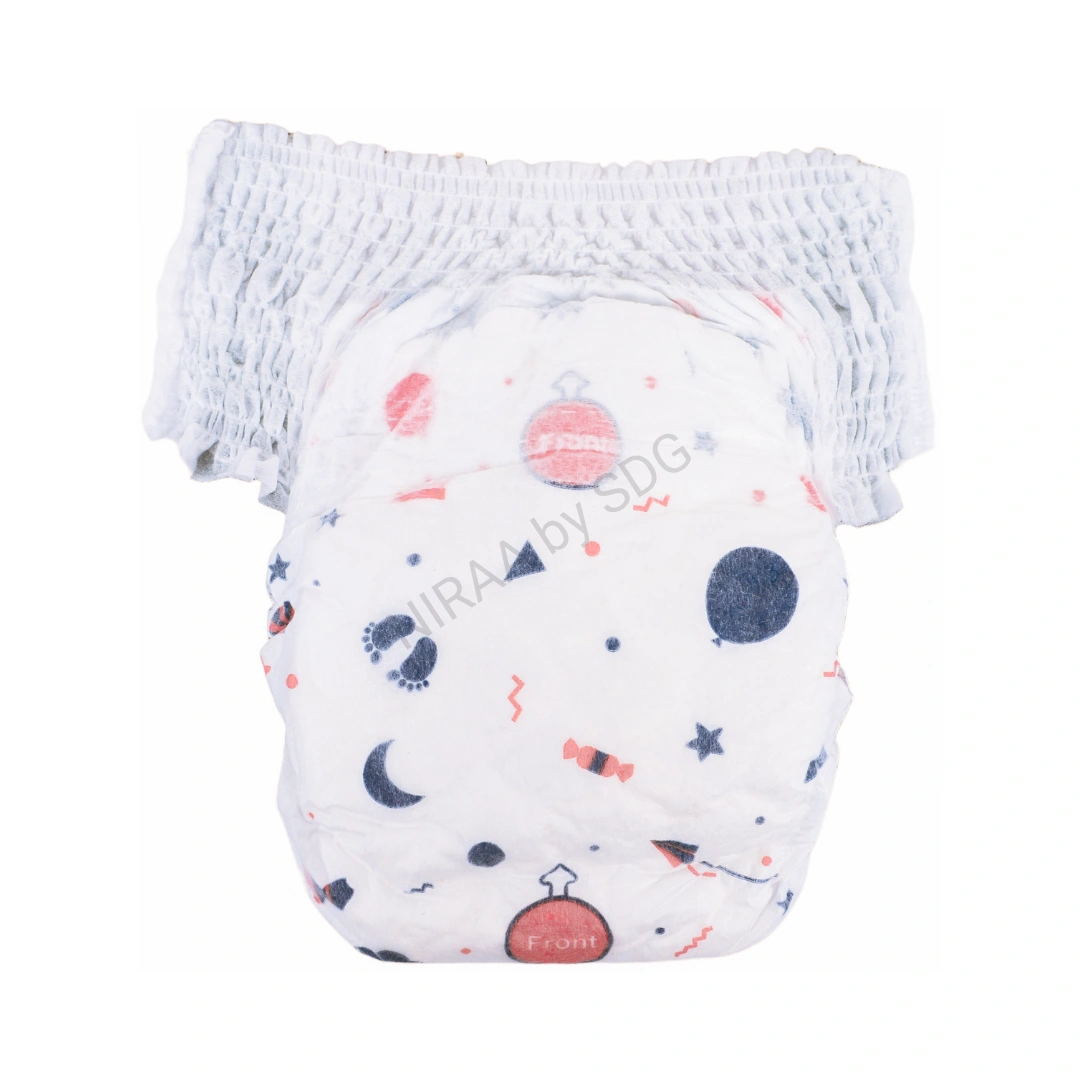
As babies begin rolling over, crawling, standing, and taking their first steps, diaper changes can become more challenging. Pant style diapers are designed to make changes quicker while giving active babies the flexibility to move comfortably.
Pant style diapers are best for:
- Crawling babies
- Walking toddlers
- Active babies who don’t like lying still during diaper changes
- Parents looking for quick pull-up convenience
As your baby becomes more active, pant style diapers offer the flexibility and comfort needed for crawling, standing, and walking.
What to Look for When Choosing a Baby Diaper
Regardless of your baby’s age, choosing the right diaper can make a noticeable difference in their comfort and skin health. Here are a few important features to consider:
- Proper fit: The diaper should fit snugly around the waist and legs without being too tight or leaving gaps.
- High absorbency: A highly absorbent diaper helps lock away moisture, keeping your baby’s skin drier for longer.
- Breathable materials: Soft, breathable fabrics promote better airflow and help reduce heat and moisture build-up.
- Wetness lock technology: Diapers with effective moisture-locking layers help minimise prolonged contact between wetness and your baby’s skin.
- Leak protection: Well-designed leg cuffs and waistbands help prevent leaks during playtime, naps, and overnight sleep.
- The right size: Always choose a diaper based on your baby’s current weight and stage of development. Moving to the next size at the right time can improve both comfort and leak protection.
The best diaper is one that matches your baby’s changing needs while providing reliable absorbency, a comfortable fit, and gentle care for delicate skin. As your baby grows from a newborn to an active toddler, choosing the right diaper for each stage can make everyday diaper changes easier for both parents and little ones.
Quick Diaper Changing Checklist for Parents
Diaper changes become much easier when you follow a simple routine. Whether you’re at home or travelling with your little one, having a quick checklist in mind can help ensure every diaper change keeps your baby clean, comfortable, and protected. These small habits can also reduce the risk of leaks, skin irritation, and diaper rash while making diaper changes less stressful for parents.
Use this checklist as a quick reminder during every diaper change:
- Check your baby’s diaper every few hours, even if they don’t seem uncomfortable.
- Change the diaper immediately after a bowel movement to help protect delicate skin from irritation.
- Keep an eye on the wetness indicator and check if the diaper feels heavy or sagging.
- Look for signs of leakage, especially around the legs and waistband.
- Clean the diaper area gently using soft baby wipes or a clean cloth with lukewarm water.
- Pat the skin completely dry before putting on a fresh diaper to reduce moisture build-up.
- Check for redness, rashes, or skin irritation during every diaper change so you can address any concerns early.
- Choose the correct diaper size to ensure a snug, comfortable fit without being too tight.
- Keep diaper-changing essentials within easy reach, including clean diapers, wipes, a soft towel, and barrier cream if needed.
By following these simple steps consistently, you can make diaper changes quicker, more comfortable, and more effective. Over time, this routine not only helps protect your baby’s skin but also gives you greater confidence in meeting your little one’s everyday diapering needs.
Parent Tip: Save this checklist on your phone or print it and keep it near your changing station. A consistent routine makes diaper changes easier for everyone and helps ensure nothing important is overlooked.
Final Thoughts
Knowing how often you should change your baby’s diaper is one of the simplest ways to support your baby’s comfort, hygiene, and overall well-being. While there isn’t a single schedule that works for every child, regularly checking the diaper, changing it promptly after bowel movements, and responding to your baby’s needs can help keep their delicate skin healthy and protected.
As your baby grows from a newborn to an active toddler, their diaper-changing routine will naturally evolve. Paying attention to factors such as age, feeding habits, sleep patterns, and activity levels can help you establish a routine that works best for your little one.
Choosing the right diaper is equally important. A well-fitting, highly absorbent diaper can help reduce leaks, keep moisture away from your baby’s skin, and make everyday diaper changes more comfortable. Whether you’re caring for a newborn or keeping up with an energetic toddler, selecting a diaper that suits your baby’s stage of development can make a noticeable difference.
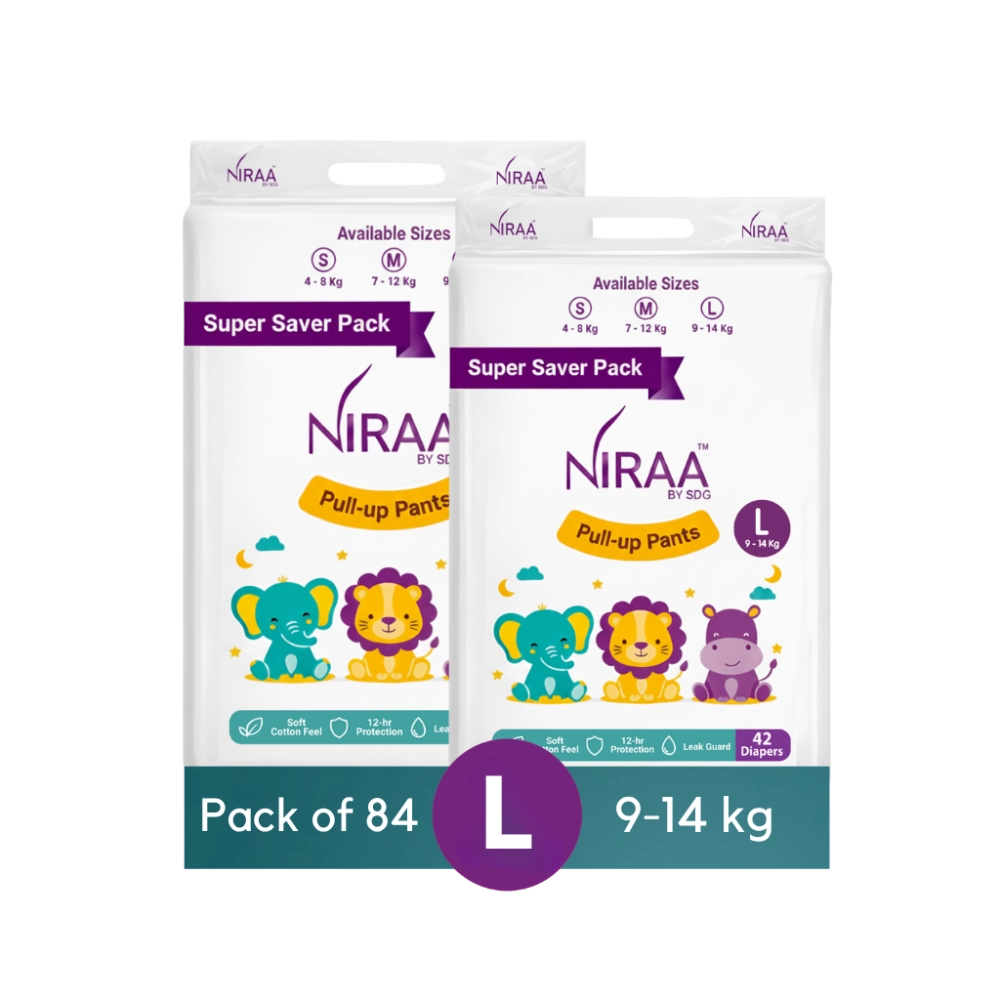
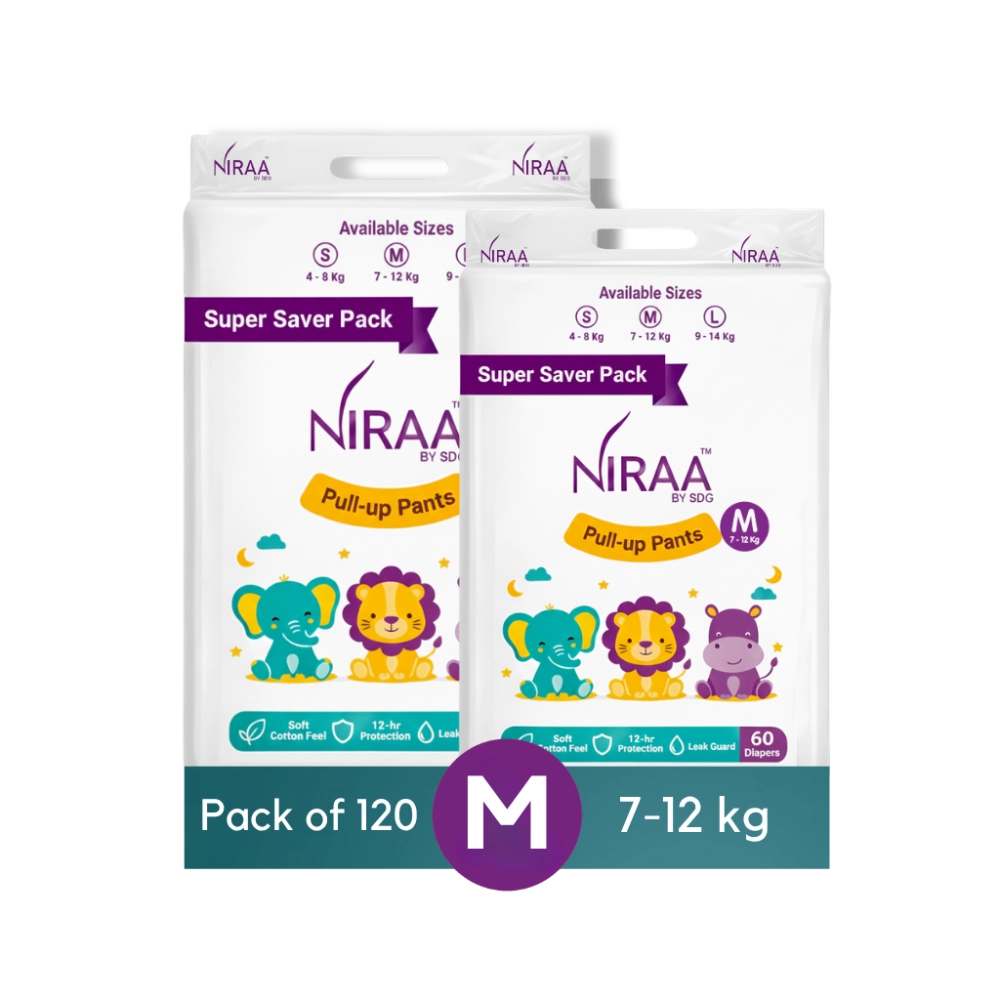
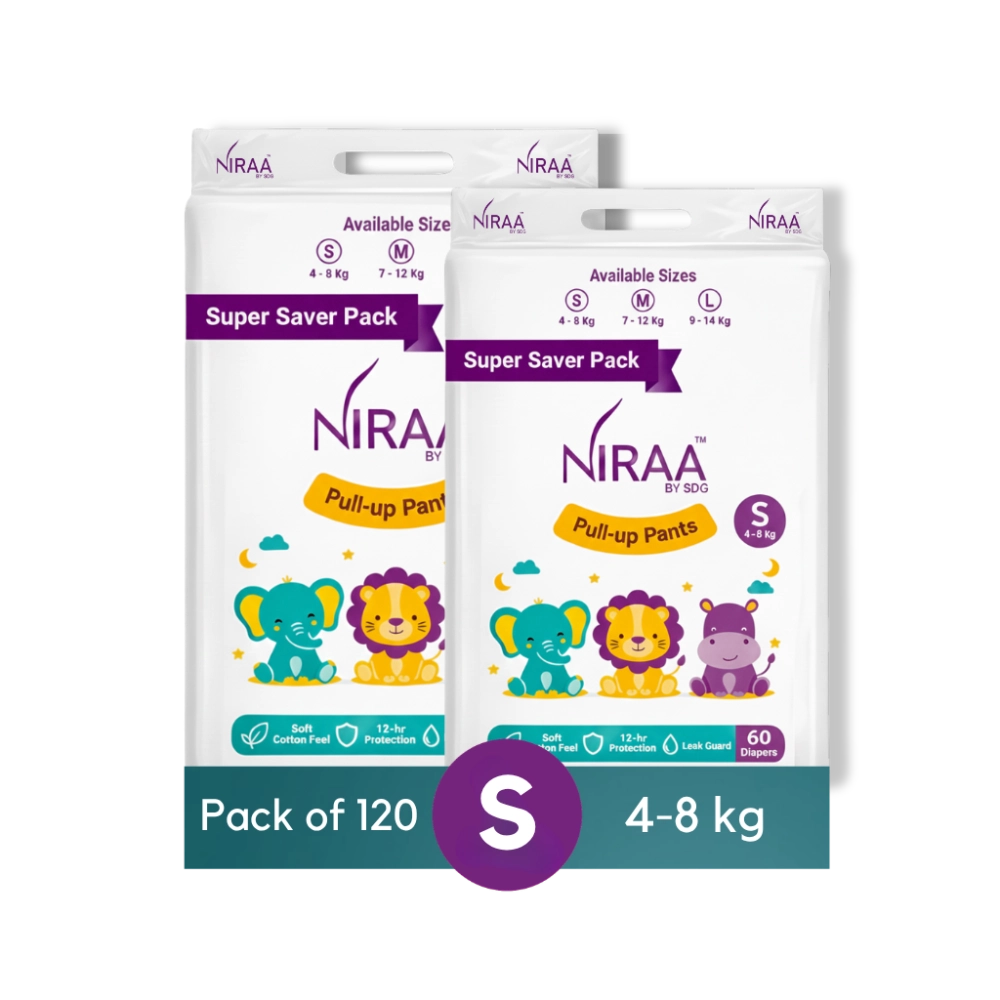
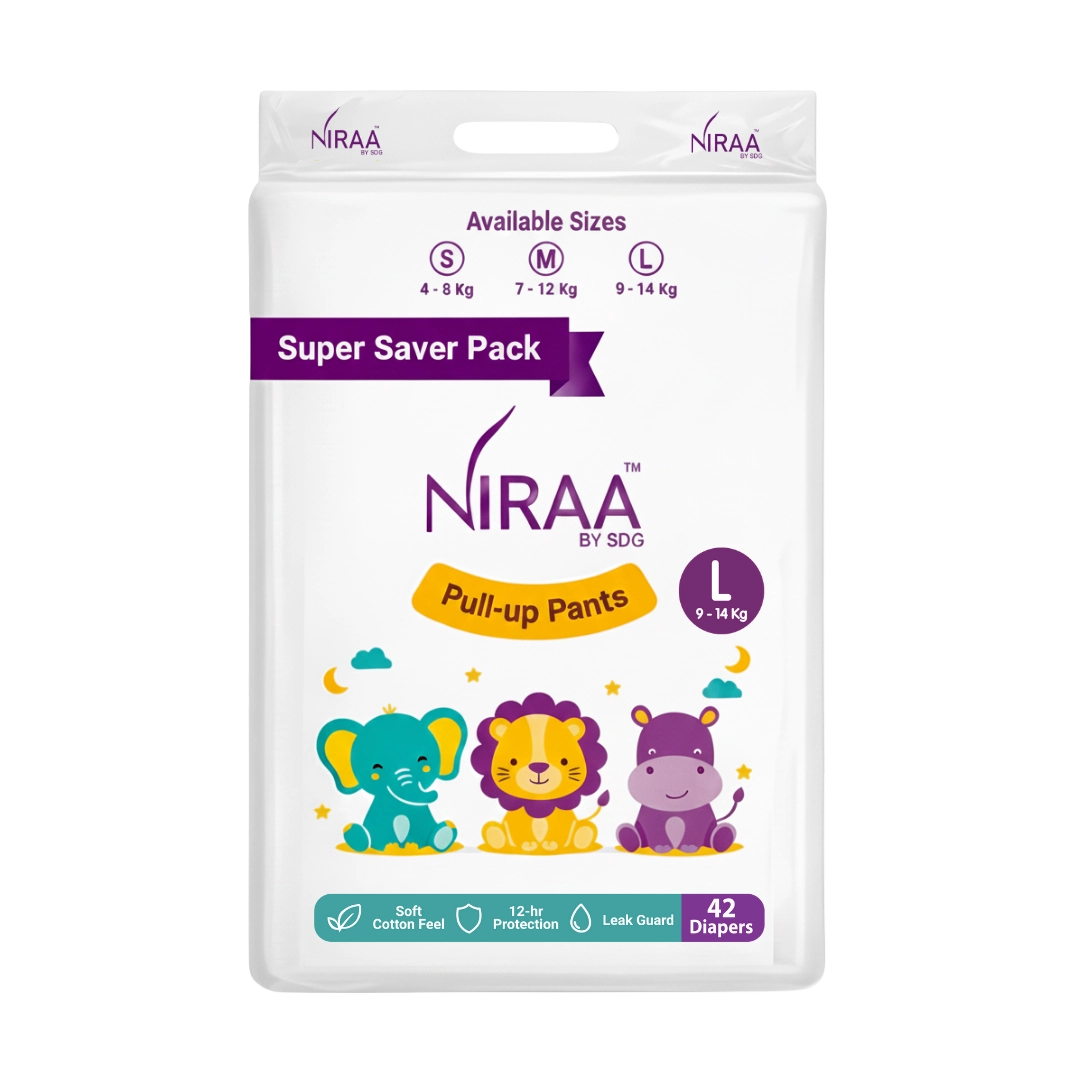
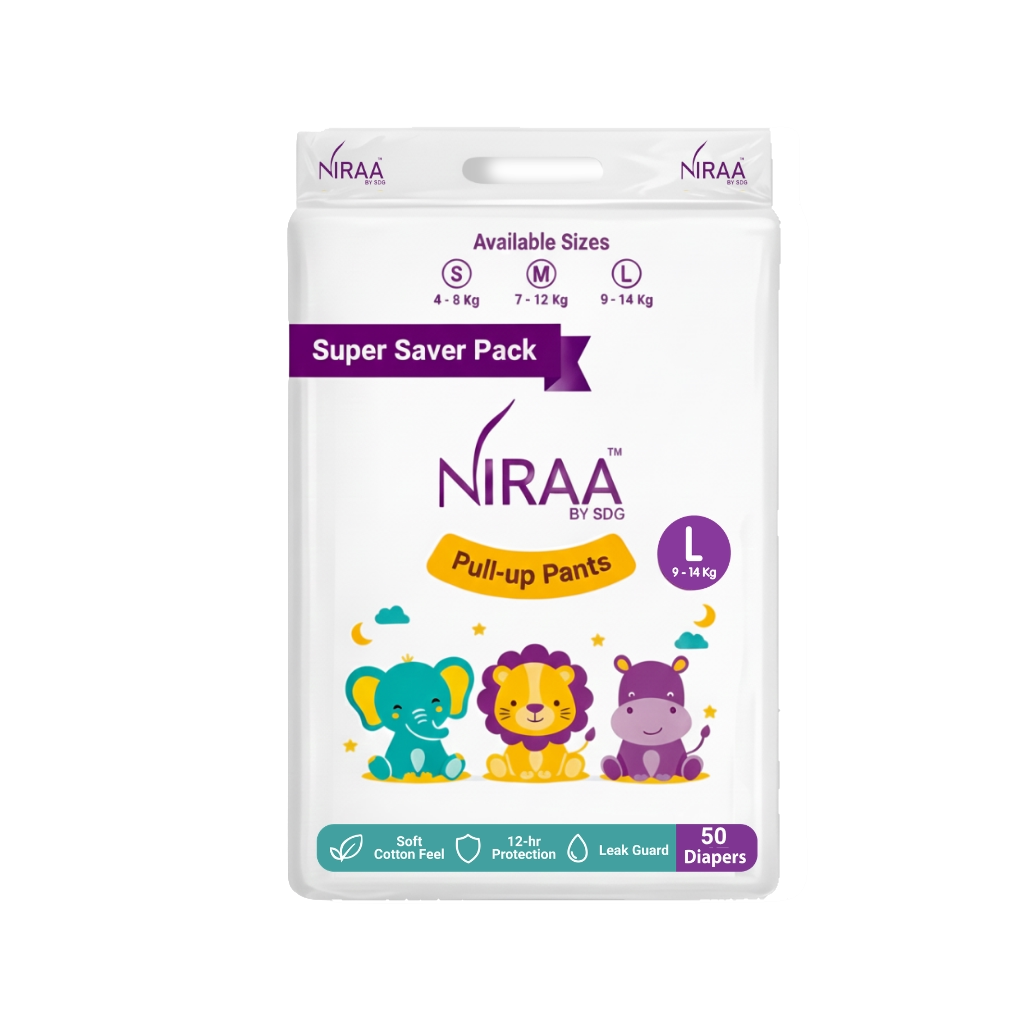
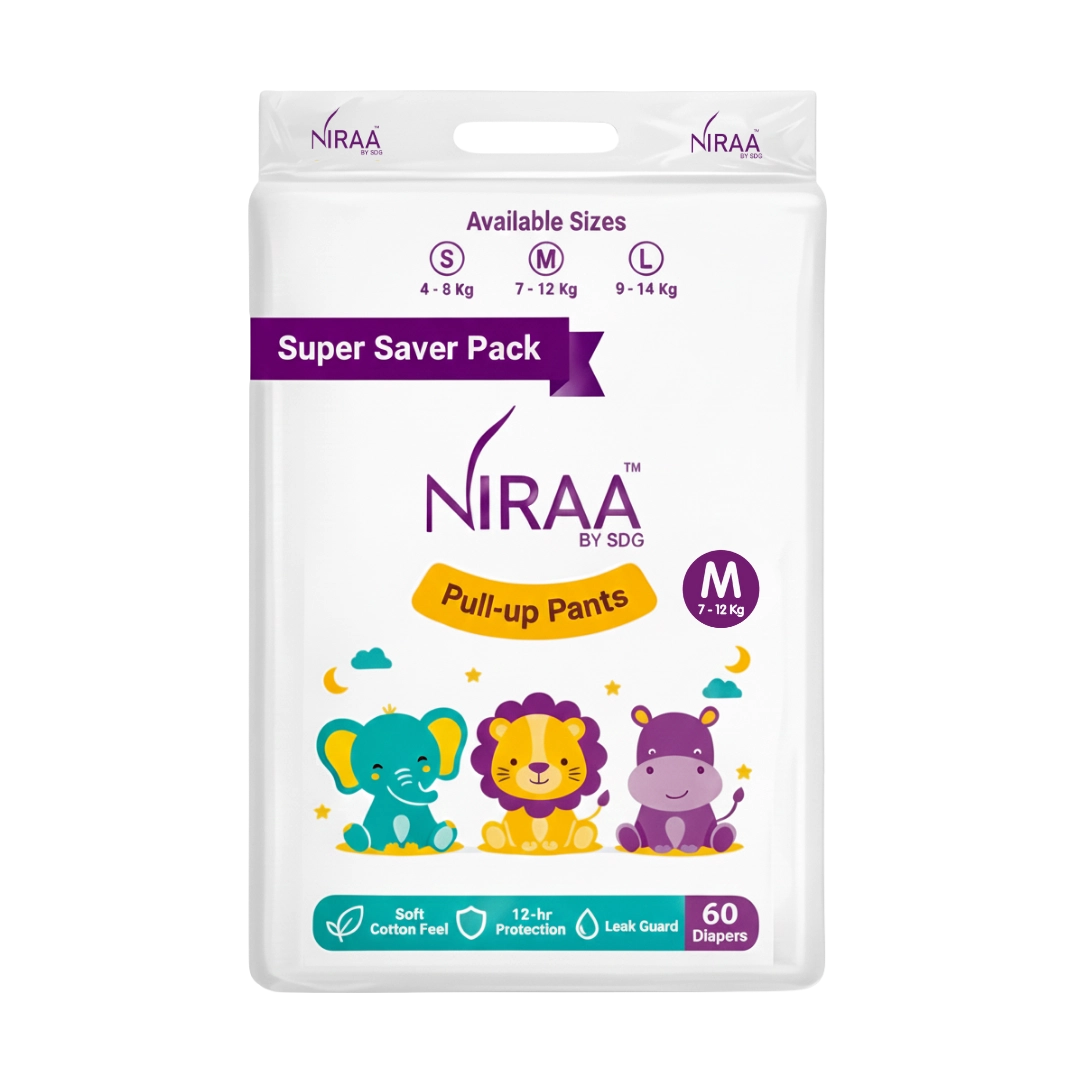
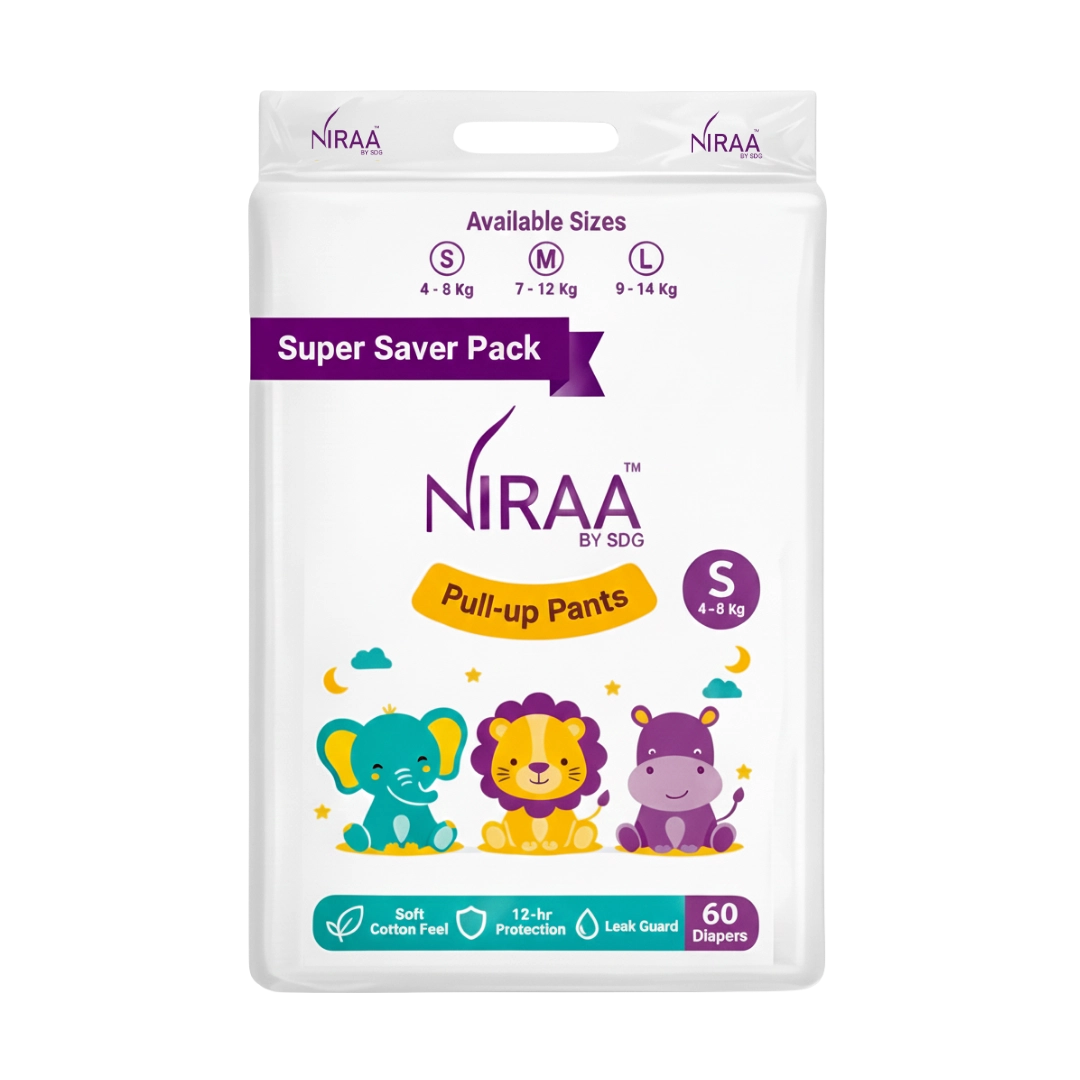
Every diaper change is more than just a daily task. It’s an opportunity to keep your baby clean, comfortable, and happy while giving you confidence as a parent. At NIRAA by SDG, our Tape Diapers for newborns and Pant Style Diapers for active babies are thoughtfully designed to provide reliable absorbency, a comfortable fit, and gentle care for delicate skin. Explore the NIRAA diaper range today and find the perfect fit for your growing baby.
Frequently Asked Questions (FAQs)
How often should I change my baby’s diaper?
Most babies need a diaper change every 2 to 4 hours, depending on their age, feeding routine, and how quickly the diaper becomes wet. Newborns usually require more frequent changes, while older babies and toddlers may need fewer. Regardless of the schedule, always change your baby’s diaper immediately after a bowel movement.
Should I change a wet diaper immediately?
A lightly wet diaper may not always need to be changed straight away if your baby is comfortable and the diaper still has good absorbency. However, you should check your baby’s diaper regularly and change it before it becomes too wet or heavy to help keep their skin dry and comfortable.
How often do newborns need diaper changes?
Newborns typically need a diaper change every 2 to 3 hours and usually after every feeding. Most newborns go through 8 to 12 diapers a day, as they urinate and pass stools more frequently during the first few months.
Should I wake my baby to change a diaper at night?
If your baby has a dirty diaper, it’s best to change it as soon as possible, even during the night. If the diaper is only wet and your baby is sleeping comfortably in a highly absorbent diaper, you may not need to wake them unless the diaper is leaking or your baby has sensitive skin or diaper rash.
How do I know when my baby’s diaper needs changing?
Some common signs include:
* A wetness indicator changes colour.
* The diaper feels heavy or sagging.
* You notice an unpleasant smell.
* Your baby becomes fussy or uncomfortable.
* There is visible leakage.
* Your baby has passed a bowel movement.
Checking the diaper regularly is the best way to avoid unnecessary discomfort.
Can leaving a diaper on too long cause a diaper rash?
Yes. Leaving a wet or dirty diaper on for too long allows moisture and irritants to stay in contact with your baby’s skin, increasing the risk of diaper rash, redness, and irritation. Regular diaper changes are one of the best ways to help prevent these problems.
Should I change my baby’s diaper before or after feeding?
For newborns, it’s often helpful to change the diaper before feeding if it’s wet, as this can help avoid disturbing them once they fall asleep. However, if your baby passes a bowel movement during or after feeding, change the diaper immediately to keep their skin clean and protected.
What type of diaper is best for different stages of my baby’s growth?
Tape diapers are generally ideal for newborns and young infants because they are easy to adjust during frequent diaper changes. As your baby starts crawling, standing, and walking, pant style diapers offer greater flexibility and convenience for active little ones. Choosing the right diaper for your baby’s age, size, and activity level helps improve comfort, reduce leaks, and support healthy skin.