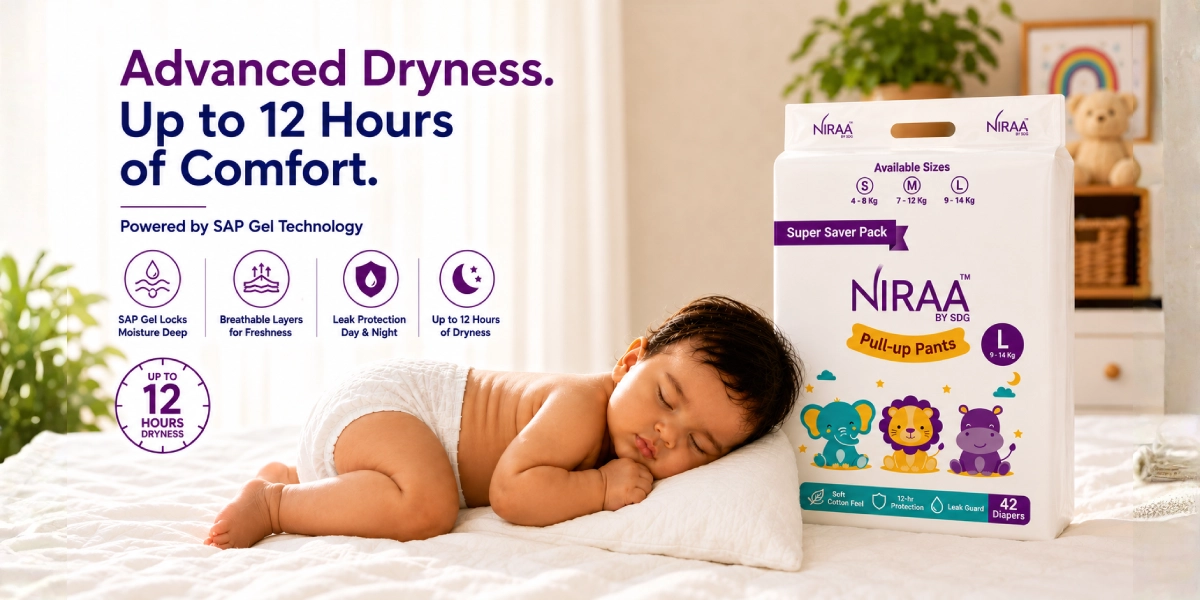
Keeping babies dry for long hours is one of the biggest concerns for parents, especially during overnight sleep or humid weather conditions. A wet diaper can lead to discomfort, interrupted sleep, leakage, and even diaper rash if moisture stays in contact with the skin for too long.
This is where SAP gel technology in baby diapers makes a major difference. SAP, or Super Absorbent Polymer, is designed to quickly absorb liquid and lock it away in a gel form, helping diapers stay dry and comfortable for hours. This advanced diaper absorbency technology is one of the key reasons modern diapers can provide up to 12 hours of dryness and better overnight protection.
Along with preventing leaks, modern diapers also focus on breathability and moisture control to support healthier baby skin, especially in hot and humid Indian weather. Understanding how this technology works can help parents choose diapers that offer better comfort, dryness, and protection for their babies.
What Is SAP Gel Technology in Baby Diapers?
Modern baby diapers are designed with multiple absorbent layers, but one of the most important components behind long-lasting dryness is SAP gel technology. SAP stands for Super Absorbent Polymer, a material specially designed to absorb and retain a large amount of liquid without making the diaper feel excessively wet or bulky.
In baby diapers, SAP appears as tiny absorbent particles placed inside the diaper core. When the diaper comes in contact with urine, these particles quickly absorb the liquid and convert it into a soft gel-like substance. This process helps lock moisture away from the surface, reducing the chances of wetness returning to your baby’s skin.
One reason super absorbent polymer diapers are widely used today is their ability to provide better overnight protection while keeping diapers lightweight and comfortable. Compared to older diapers that relied heavily on fluff pulp alone, SAP-based diapers can absorb more liquid while still maintaining a thinner design.
Another important advantage of SAP gel technology is moisture retention under pressure. Even when babies sleep, crawl, sit, or move around, the absorbent gel helps keep liquid locked inside the diaper core. This reduces leakage risk and supports a drier diaper experience for longer hours.
Modern diaper technology also combines SAP with quick-dry layers and breathable materials to improve comfort during both daytime activity and overnight sleep. This is especially important in humid weather conditions where trapped moisture and heat can increase skin irritation and discomfort for babies.
How Do Baby Diapers Stay Dry for Up to 12 Hours?
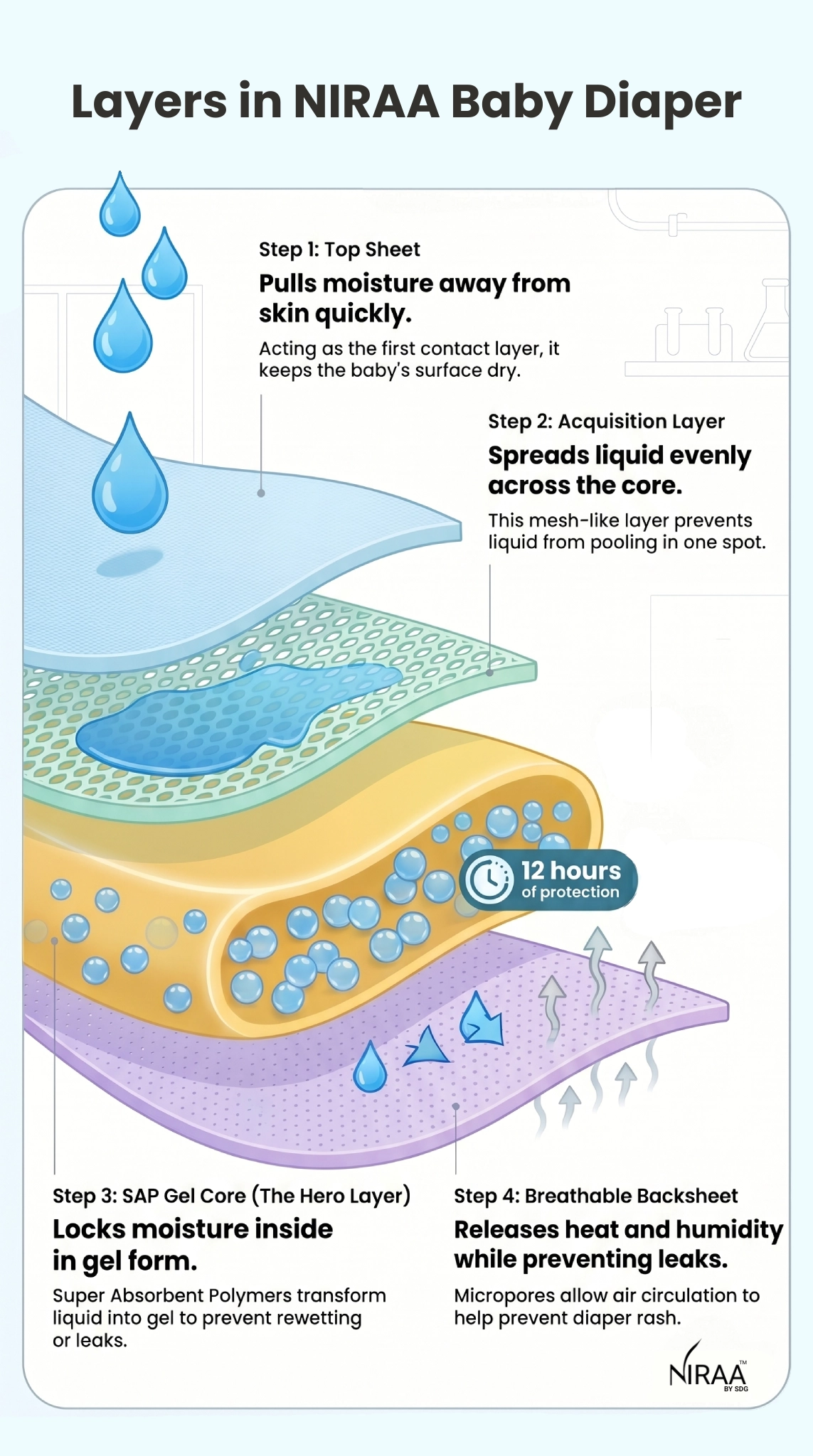
The ability of modern diapers to provide long-lasting dryness is not based on a single layer alone. Instead, multiple layers work together to quickly absorb moisture, spread liquid evenly, and lock wetness away from your baby’s skin. This combination of advanced overnight diaper technology helps improve comfort, reduce leaks, and support better sleep for babies.
Step 1: The Top Sheet Pulls Moisture Away Quickly
The top sheet is the soft inner layer that touches your baby’s skin directly. Its job is to quickly pull urine away from the surface and move it toward the absorbent core. This fast liquid transfer helps reduce the feeling of wetness and keeps the diaper surface drier for longer.
Modern diapers often use dry-touch materials in this layer to improve comfort and reduce prolonged moisture contact with delicate baby skin.
Step 2: Acquisition Layer Spreads Liquid Evenly
Below the top sheet is the acquisition layer, which helps distribute liquid evenly across the diaper core. Instead of allowing moisture to collect in one spot, this layer spreads the liquid to improve absorption efficiency and reduce leakage concentration.
This step is important because uneven liquid buildup can make diapers feel heavy, saggy, or wet much faster.
Step 3: SAP Gel Locks Moisture Inside
Once the liquid reaches the absorbent core, the SAP gel layer takes over – locking moisture inside in gel form and preventing it from returning to the surface. This is the step that most directly determines how long a diaper can maintain dryness.
This moisture-lock system helps:
- reduce leakage
- improve overnight dryness
- prevent wetness from returning to the surface
- keep diapers lighter and more comfortable
This is one of the main reasons many modern diapers can provide up to 12-hour dry diaper protection.
Step 4: Breathable Back Sheet Helps Release Heat and Humidity
Modern diapers are also designed with breathable outer layers that help release heat and humidity from inside the diaper. Microporous breathable back sheets allow air circulation while still helping prevent leaks.
This airflow becomes especially important in hot and humid weather conditions where sweat buildup and trapped heat can increase discomfort for babies.
Parents looking for diapers designed for humid conditions can also explore Breathable Baby Diapers for Humid Climate in India to understand how airflow and moisture control work together for better baby comfort.
Why Rewet Prevention Matters More Than Absorbency
Many parents assume that a diaper is effective simply because it can absorb a large amount of liquid. However, absorbency alone is not enough. What truly affects your baby’s comfort is how well the diaper prevents moisture from returning to the surface after absorption. This is known as rewet prevention.
Rewet happens when absorbed liquid comes back to the top layer of the diaper and touches the baby’s skin again. Even if a diaper absorbs urine initially, poor moisture-lock technology can still leave the surface feeling damp or uncomfortable after some time.
Modern diaper absorbency technology focuses heavily on keeping moisture locked inside the diaper core instead of allowing it to move back upward. This is where the moisture-lock layer becomes the deciding factor. A diaper that absorbs quickly but cannot hold that moisture in place will still leave the surface feeling damp – which is why rewet prevention matters as much as initial absorbency.
Effective rewet prevention can help:
- keep the diaper surface drier
- improve overnight comfort
- reduce diaper heaviness
- lower prolonged moisture exposure
- support healthier skin conditions
This is also one reason why some modern diapers may still feel relatively dry even after absorbing urine. The moisture is locked away beneath the top layers instead of remaining close to the skin surface.
Prolonged wetness can weaken the skin barrier over time, especially in babies with sensitive skin. Choosing diapers with good dry-touch and moisture-lock performance helps reduce irritation caused by excessive dampness during long wear hours.
How India’s Humid Weather Affects Baby Skin and Diaper Comfort
Hot and humid weather can make diaper comfort more challenging for babies, especially during Indian summers and monsoon seasons. Excess heat, sweating, and trapped moisture inside the diaper area can increase discomfort and make sensitive baby skin more prone to irritation.
In humid conditions, sweat and moisture do not evaporate as quickly. When combined with prolonged diaper wear, this can create a damp environment around the skin. As a result, babies may experience:
- redness
- skin irritation
- discomfort during sleep
- increased chances of diaper rash
Overnight diaper use can become even more difficult in humid weather because moisture and heat remain trapped for longer hours. This is why parents often look for baby diapers for humid weather that focus on both absorbency and breathability.
Modern diapers with quick-dry layers, breathable outer covers, and moisture-lock technology help improve airflow and reduce excessive dampness inside the diaper. This combination supports better comfort during sleep, crawling, and active movement throughout the day.
Choosing the right diaper also becomes important in humid climates because poor airflow and slow absorption can make diapers feel heavier, warmer, and wetter much faster. Parents comparing diaper options for different weather conditions can also explore Disposable vs Cloth Diapers: Best for Indian Babies to understand how diaper materials and absorbency affect comfort in Indian weather.
How SAP Gel Technology Helps Prevent Diaper Rash
Diaper rash is one of the most common skin concerns babies experience, and prolonged exposure to moisture is often one of the biggest reasons behind it. When wetness stays in contact with the skin for long periods, it can increase friction, irritation, and discomfort, especially in hot and humid conditions.
This is where consistent moisture control makes a difference. When wetness is locked away from the skin surface rather than left in contact with it, the conditions that commonly trigger diaper rash – prolonged dampness, friction, and heat – are less likely to build up over time.
Modern diapers also combine SAP with breathable materials and dry-touch layers that help:
- reduce trapped heat and humidity
- improve airflow
- minimize excessive dampness
- support a more comfortable diaper environment
Maintaining proper diaper hygiene is equally important alongside choosing the right diaper. Frequent changes, keeping the skin clean and dry, and allowing short diaper-free periods all work together with good diaper technology to support healthier skin.
Why Breathability Is Just as Important as Absorbency
While absorbency plays a major role in keeping babies dry, breathability is equally important for overall diaper comfort. A diaper may absorb moisture effectively, but poor airflow can still trap heat and humidity inside, making the diaper area feel warm, sweaty, and uncomfortable.
This is why many modern breathable baby diapers are designed with microporous backsheet technology that allows air and water vapor to pass through while still helping prevent leaks. These breathable outer layers improve airflow inside the diaper and help reduce excessive moisture buildup around the skin.
In hot and humid climates, trapped heat can increase sweating and discomfort, especially during overnight sleep or long wear hours. Breathable diapers help support better ventilation, which can improve comfort for active babies during crawling, sleeping, and movement throughout the day.
Another advantage of modern diaper technology is the use of lightweight SAP-based absorbent cores. Since SAP can absorb large amounts of liquid without adding excessive bulk, diapers can remain thinner and lighter while still providing strong absorbency performance. This helps reduce heaviness and improves overall comfort for babies.
Parents exploring features that improve diaper comfort and absorbency can also read Top Tips for Choosing Best Baby Diapers to better understand what to look for in modern baby diapers.
Why Some Diapers Feel Heavy, Wet, and Uncomfortable in Humid Weather
Not all diapers perform the same way, especially during long wear hours or in humid weather conditions. Some diapers may absorb liquid initially but still end up feeling heavy, damp, or uncomfortable after a short time. This usually happens when the diaper lacks efficient moisture distribution, rewet prevention, or proper airflow support.
Diapers with slower absorption technology may allow liquid to remain concentrated in one area instead of spreading evenly across the absorbent core. As a result, the diaper can start sagging, feel bulky, and increase the chances of leakage during movement or sleep.
Poor breathability can make the problem even worse in hot weather. When heat and humidity remain trapped inside the diaper, sweat buildup may increase discomfort and leave the diaper area feeling warm and sticky for longer periods.
Another common issue is weak rewet protection. Some diapers absorb moisture but fail to lock it away effectively, allowing wetness to return to the surface over time. This can leave the diaper feeling damp even after absorption and may increase skin irritation during overnight use.
Modern diapers designed with SAP gel technology, breathable layers, and quick-dry distribution systems help reduce these problems by improving moisture control and maintaining better comfort throughout the day and night.
How Modern Diapers Became Thinner Yet More Absorbent
Older diapers mainly relied on fluff pulp to absorb moisture, which often made them thicker, heavier, and less comfortable during long wear hours. While these diapers could absorb liquid to some extent, they were more likely to feel bulky and wet after repeated use.
Modern diaper technology changed significantly with the introduction of SAP gel technology in baby diapers. Since SAP can absorb and retain a large amount of liquid in gel form, manufacturers no longer need to depend only on thick layers of absorbent pulp. This allows diapers to remain thinner and lighter while still providing strong absorbency performance.
Thinner diapers also improve flexibility and movement for babies. Lightweight designs can feel more comfortable during crawling, walking, sleeping, and playtime without creating excessive heaviness around the waist and legs.
Many parents assume thicker diapers automatically provide better absorbency, but modern super absorbent polymer diapers are designed to deliver better moisture control with less bulk. The combination of SAP, quick-dry layers, and breathable materials helps improve comfort while still supporting overnight dryness and leak protection.
This shift in diaper technology is one of the main reasons modern diapers today can provide improved comfort, better mobility, and long-lasting dryness without feeling overly heavy.
Are SAP Baby Diapers Safe for Babies?
Many parents wonder whether the gel-like absorbent material used inside diapers is safe for babies, especially during overnight use. SAP gel technology in baby diapers is widely used in modern diaper manufacturing around the world and is designed to improve moisture control and overall diaper comfort.
The super absorbent polymer inside the diaper works by trapping liquid within the absorbent core instead of allowing moisture to remain on the surface. This helps reduce prolonged wetness exposure, which is one of the common factors linked to skin irritation and discomfort.
In properly manufactured diapers, the absorbent gel remains contained within the inner layers of the diaper core during normal use. SAP materials used in baby diapers are generally evaluated under applicable quality and safety standards during manufacturing. Modern diapers are also designed with soft top sheets and breathable materials to support comfort for sensitive baby skin.
At the same time, diaper quality and hygiene practices still matter. Parents should choose diapers that offer:
- good absorbency performance
- breathable materials
- proper fit
- soft inner layers
- reliable leak protection
Frequent diaper changes and maintaining clean, dry skin also play an important role in supporting healthy diaper hygiene for babies.
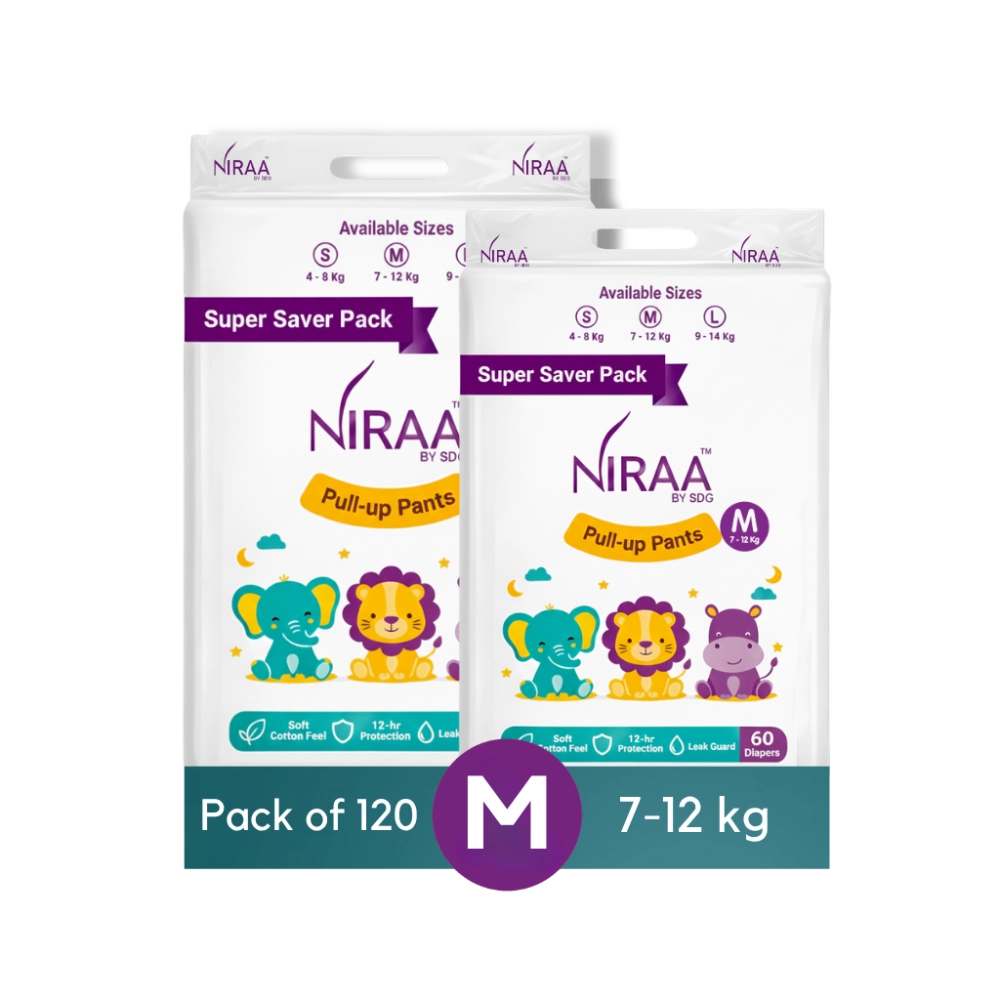
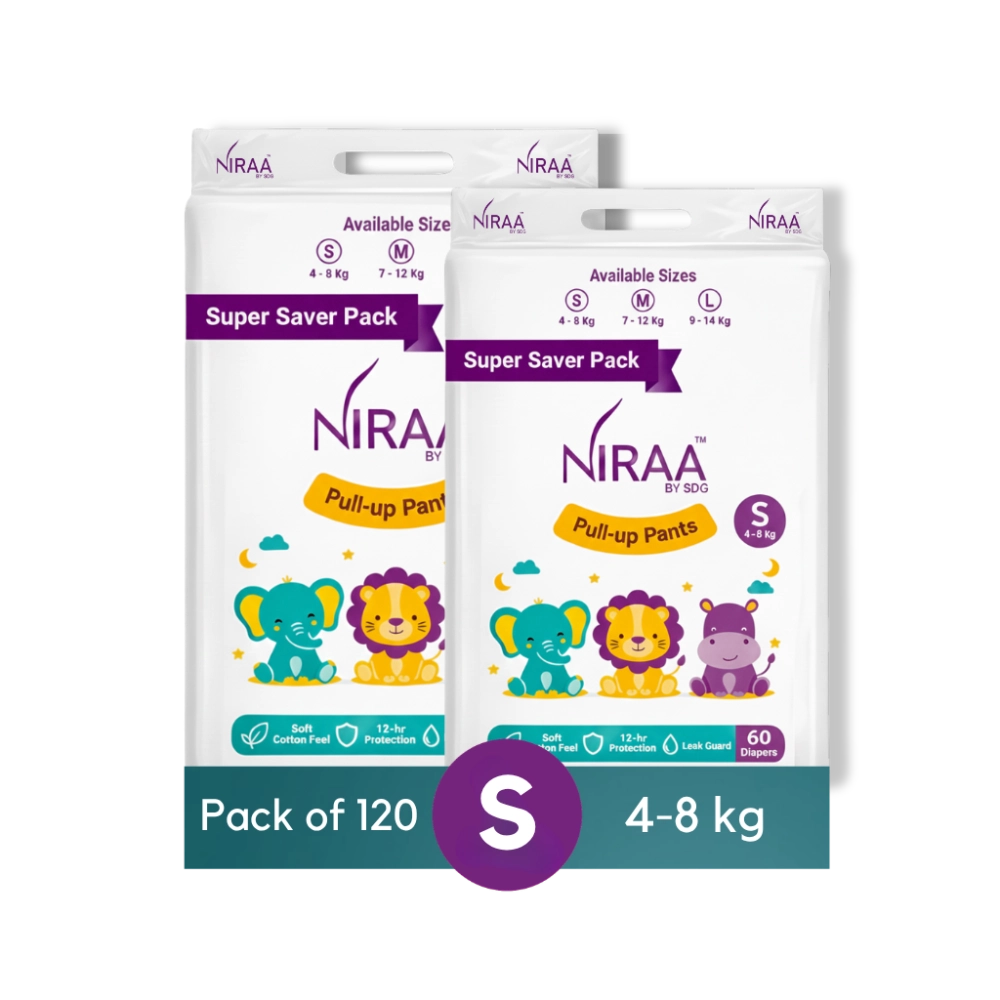
Parents looking for diapers designed for different growth stages can naturally explore product options such as:
Signs Your Baby’s Diaper May Not Have Good Absorbency Technology
A diaper that absorbs moisture properly should help keep babies comfortable, dry, and protected for longer hours. However, if a diaper lacks efficient absorbency and moisture-lock technology, parents may start noticing signs of discomfort much sooner.
One of the most common signs is frequent overnight leakage. If the diaper leaks regularly despite using the correct size, it may indicate poor liquid distribution or weak absorbent core performance.
Some diapers may also start feeling wet shortly after use because they are unable to lock moisture away effectively. This can leave the diaper surface damp and uncomfortable for babies during sleep or movement.
Other common signs include:
- excessive diaper sagging
- heaviness after minimal use
- strong odor buildup
- poor airflow causing sweatiness
- redness or visible skin irritation
- babies waking frequently due to discomfort
In humid weather conditions, these problems can become even more noticeable because trapped heat and moisture increase overall discomfort inside the diaper area.
Modern diapers designed with advanced moisture-lock systems, breathable layers, and SAP-based absorbent cores help reduce these issues by improving dryness, airflow, and overnight comfort for babies.
What Parents Should Look for in High-Absorbency Baby Diapers
Choosing the right diaper is not only about size or softness. A good diaper should provide balanced support for absorbency, comfort, breathability, and leak protection, especially during overnight use or humid weather conditions.
Modern high-absorbency diapers are designed with multiple layers that work together to improve dryness and reduce discomfort for babies. Understanding these features can help parents make better diaper choices based on their baby’s needs.
Key Features to Look For
- SAP gel core: An effective SAP gel layer absorbs and locks moisture away from the skin for longer-lasting dryness.
- Quick absorption layer: This layer quickly pulls liquid away from the surface to help reduce wetness and discomfort.
- Breathable backsheet: Breathable outer layers improve airflow and help release excess heat and humidity from inside the diaper.
- Leak guards: Leak protection barriers around the legs help reduce side leakage during movement and overnight sleep.
- Soft top sheet: A soft inner layer helps reduce friction against delicate baby skin and improves overall comfort.
- Lightweight core design: Modern diapers with lightweight absorbent cores feel less bulky while still delivering strong absorbency performance.
- Overnight protection: Diapers designed for long wear hours should provide effective moisture-lock technology and rewet prevention.
- Flexible waistband: A secure but comfortable fit helps improve leakage protection and allows babies to move more freely.
Basic Diapers vs Modern SAP-Based Diapers
| Feature | Basic Diapers | SAP-Based Modern Diapers |
|---|---|---|
| Moisture Absorption | Moderate | High |
| Rewet Prevention | Limited | Advanced |
| Overnight Comfort | Lower | Better |
| Breathability | Limited | Improved |
| Bulkiness | Thicker | Lightweight |
| Humidity Control | Lower | Better |
Understanding these diaper features can help parents choose products that provide better dryness, comfort, and protection for babies during both daytime and overnight use.
Expert Tips to Keep Your Baby Comfortable in Hot and Humid Weather
Hot and humid weather can make babies feel uncomfortable more quickly, especially during long diaper wear hours. Excess sweating, trapped moisture, and poor airflow inside the diaper area may increase irritation and discomfort if proper diaper care is not followed consistently.
Even with advanced SAP-based diapers that offer better moisture control, proper diaper care routines remain essential. Here are some practical tips that can help improve diaper comfort and support healthier skin during summer and monsoon seasons:
Change Diapers Regularly
Avoid leaving wet diapers on for long periods, especially in humid weather. Regular diaper changes help reduce prolonged moisture exposure and improve overall comfort.
Allow Diaper-Free Time
Giving babies short periods without diapers allows the skin to breathe and helps reduce trapped heat and moisture around the diaper area.
Keep the Skin Clean and Dry
Gently cleaning and drying the diaper area during every diaper change helps reduce irritation caused by sweat, urine, and friction.
Choose Breathable Diapers
Diapers with SAP-based cores combined with breathable outer layers help both lock moisture away and improve airflow, reducing excessive dampness inside the diaper.
Avoid Overly Tight Diapers
Very tight diapers may trap more heat and reduce airflow around the skin. A comfortable fit supports better movement and ventilation.
Use the Correct Diaper Size
Choosing the right diaper size helps improve absorbency performance and reduces the chances of leakage, sagging, and discomfort.
Check Overnight Diapers in Extreme Humidity
During very hot or humid nights, checking diapers periodically can help assess whether the diaper’s absorbent capacity is being challenged by combined urine and sweat, ensuring sleep comfort for babies.
Keep Babies Cool During Summer and Monsoon
Light clothing, proper ventilation, and maintaining a cooler sleeping environment can also help reduce sweating and discomfort during humid weather conditions.
How NIRAA By SDG Focuses on Comfort, Dryness, and Hygiene
Modern parents look for diapers that can provide more than basic absorbency. Comfort, breathability, overnight dryness, and skin-friendly materials all play an important role in creating a better diapering experience for babies.
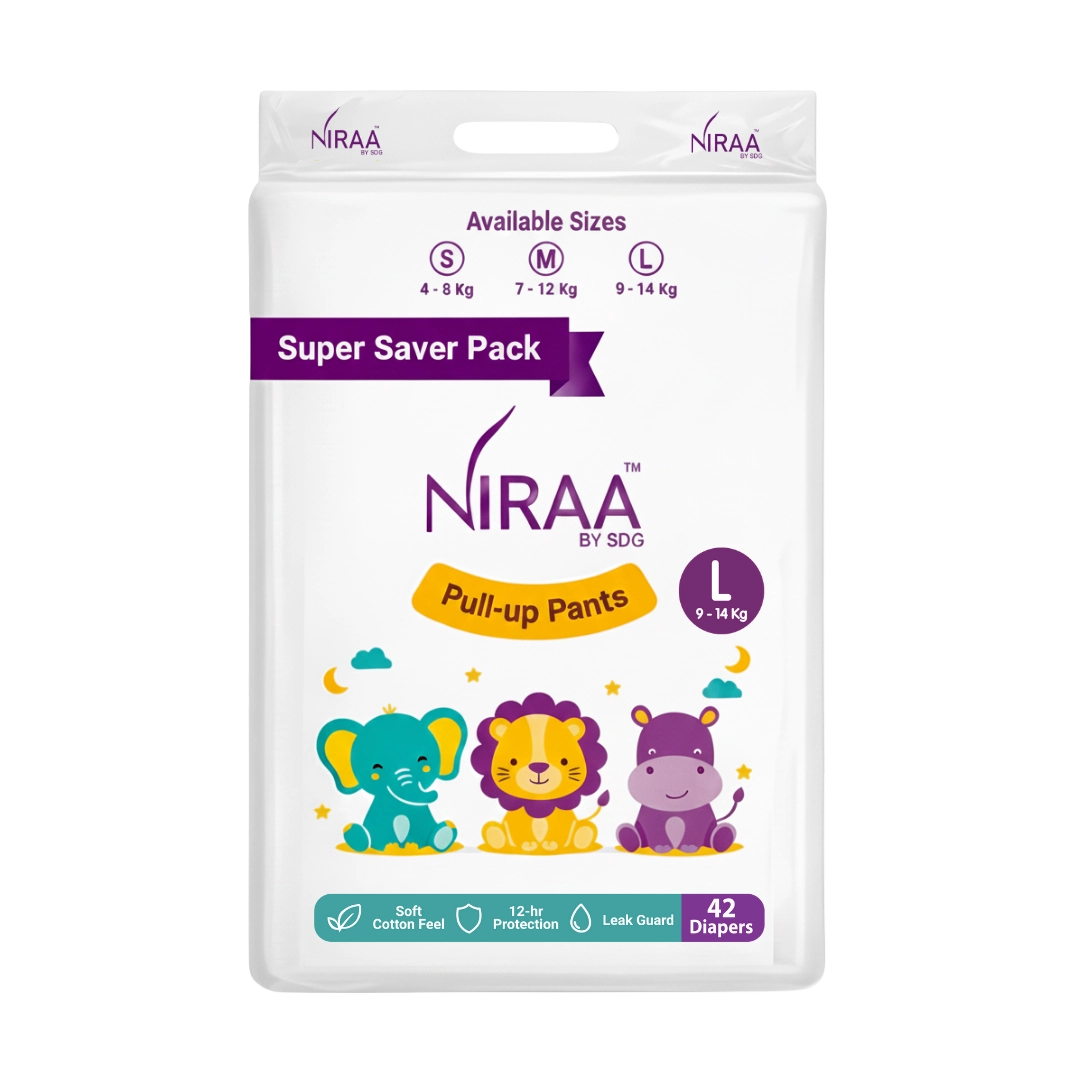
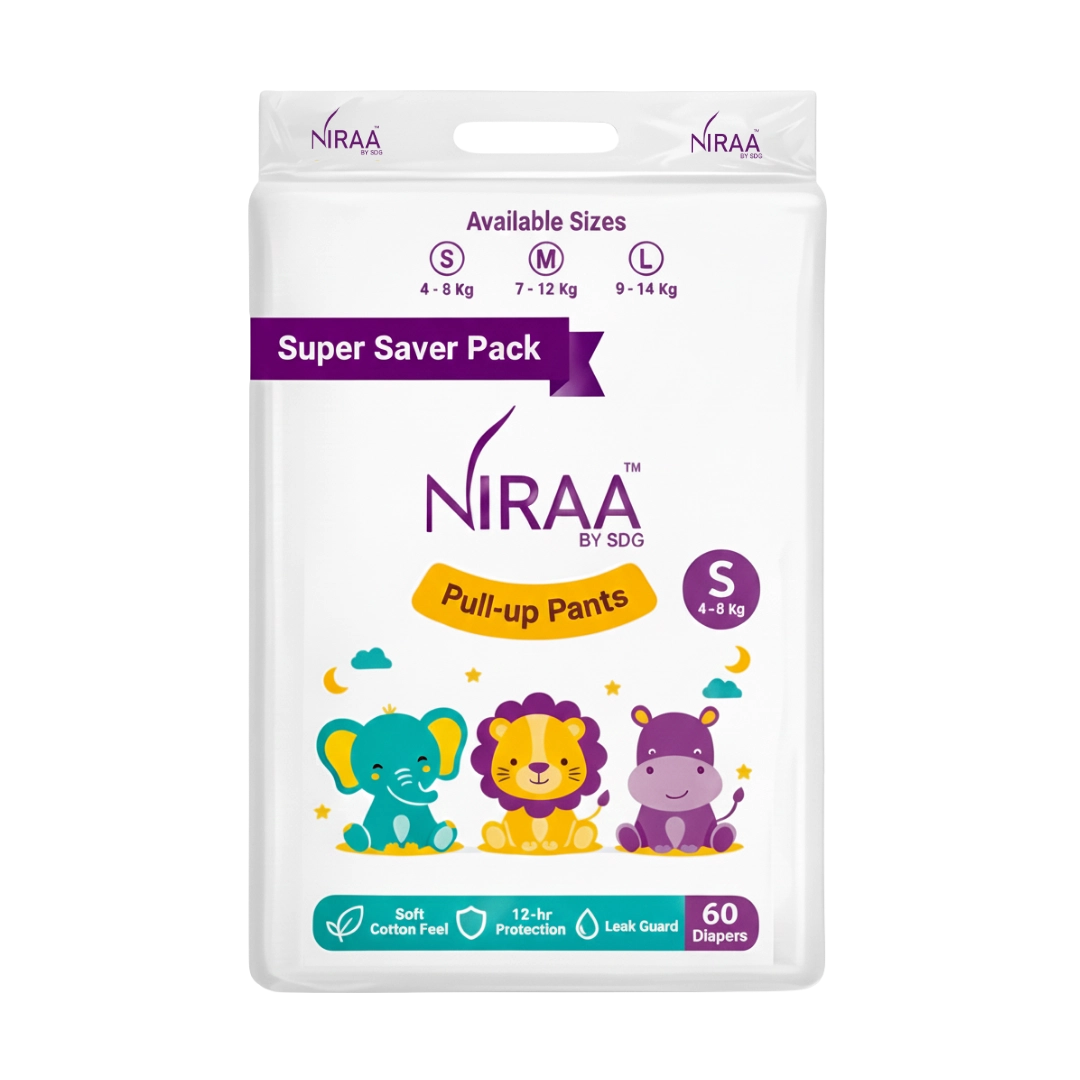
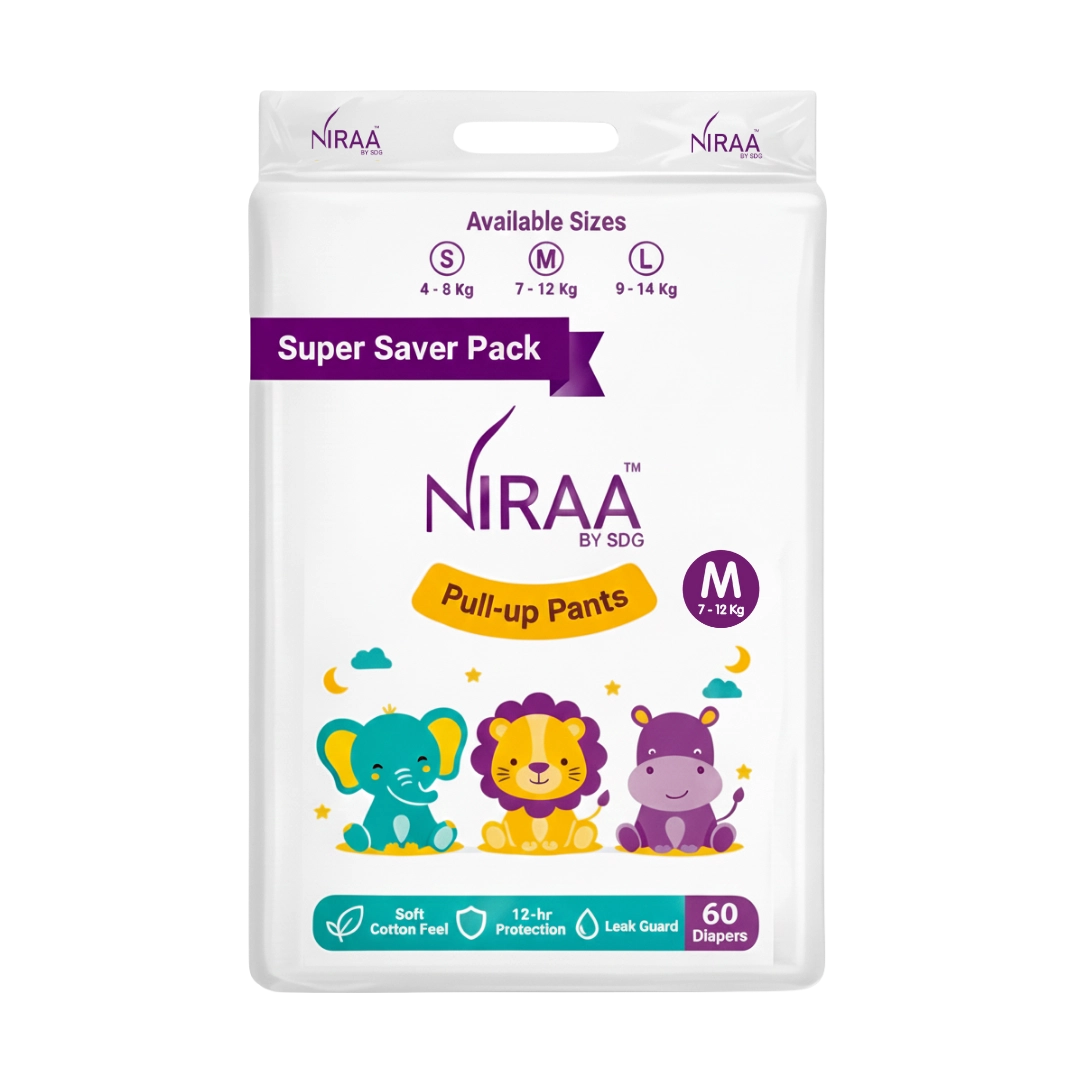
At NIRAA By SDG, diapers are designed with SAP gel-based absorbent cores that work alongside breathable outer layers to address the specific challenges Indian parents face – extended overnight protection during humid months, reliable dryness during long daytime wear, and airflow support to reduce heat buildup in warm climates.
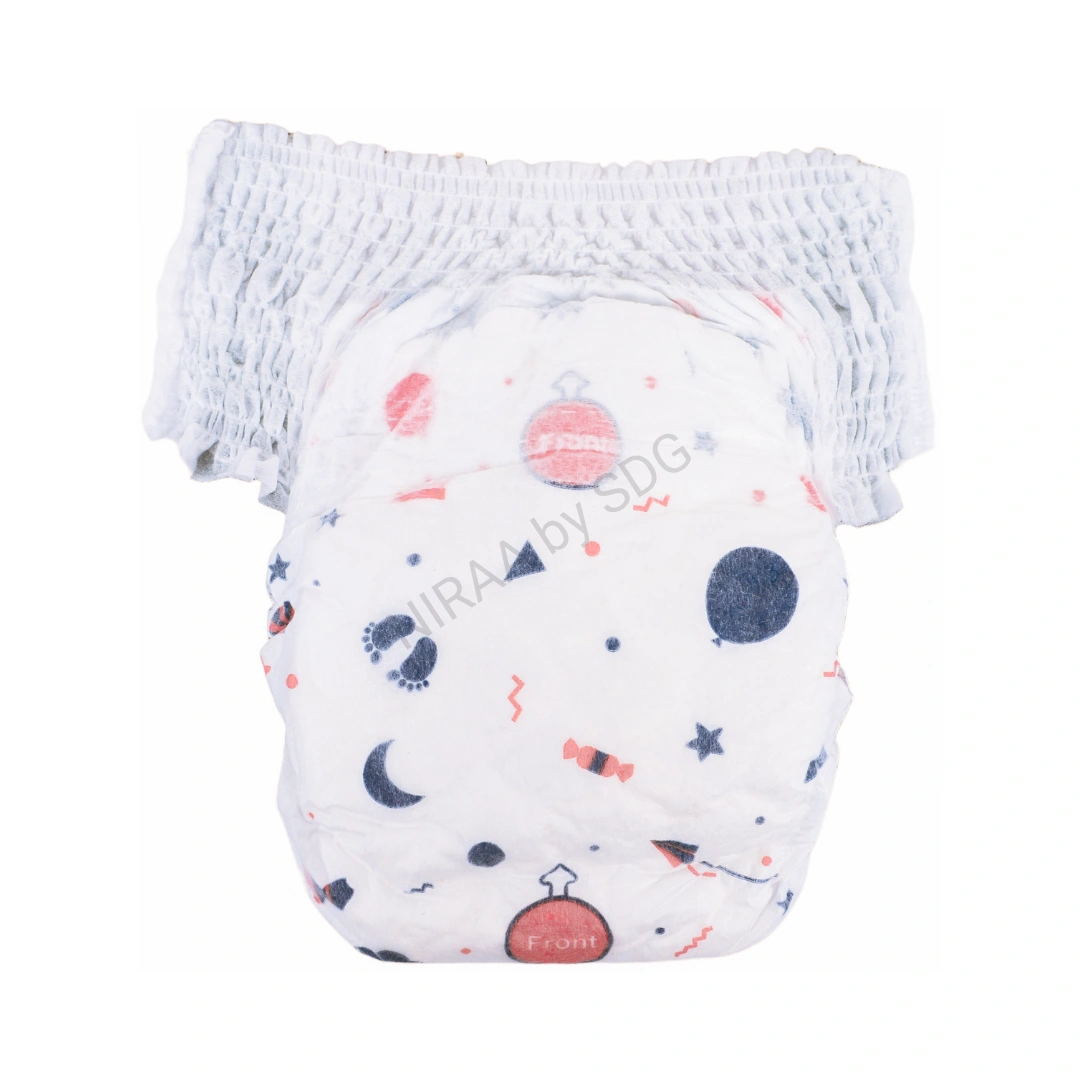
NIRAA’s diaper construction combines quick-absorption top layers with moisture-lock technology to help keep wetness away from your baby’s skin, whether during active crawling hours or overnight sleep. The focus is on helping parents manage fewer diaper changes without compromising on dryness or comfort.
Parents can explore diaper options based on their baby’s comfort needs and growth stages:
Choosing the right diaper size and absorbency level can help improve fit, reduce leakage, and support better comfort throughout the day.
Frequently Asked Questions
What is SAP gel technology in diapers?
SAP stands for Super Absorbent Polymer, a material used inside modern diapers to absorb and lock liquid away from the surface. When urine enters the diaper, SAP converts the moisture into a gel-like form, helping keep the diaper drier and more comfortable for babies.
How do diapers stay dry for 12 hours?
Modern diapers use multiple layers that work together to improve dryness. Quick absorption layers pull moisture away from the skin, while SAP gel technology locks liquid inside the absorbent core to help reduce leakage and wetness during long wear hours.
Does SAP gel help prevent diaper rash?
SAP helps reduce prolonged moisture exposure by locking liquid away from the skin. Since excessive wetness is one contributing factor to diaper discomfort and irritation, better moisture control may help reduce that specific risk. However, diaper rash can have multiple causes – including skin sensitivity, frequency of changes, and stool exposure – so moisture control alone does not guarantee prevention.
Are SAP diapers safe for newborn babies?
SAP-based diapers are widely used in modern diaper manufacturing and are designed to improve absorbency and dryness. In properly manufactured diapers, the absorbent gel remains sealed inside the diaper core during normal use.
Why do modern diapers feel dry even after absorbing urine?
Modern diapers are designed with rewet prevention technology that helps keep absorbed liquid locked beneath the top layers. This reduces the amount of moisture returning to the surface and helps the diaper feel drier for longer.
What is the difference between fluff pulp and SAP in diapers?
Fluff pulp absorbs moisture using thick fiber layers, while SAP absorbs liquid and converts it into gel form. SAP-based diapers can usually provide higher absorbency with a thinner and lighter design compared to traditional fluff-based diapers.
Are breathable diapers better for Indian weather?
Breathable diapers can help improve airflow and reduce trapped heat and humidity inside the diaper area. This becomes especially useful during Indian summers and monsoon seasons when sweating and moisture buildup may increase discomfort.
Do breathable diapers leak more easily?
Not necessarily. Modern breathable diapers are designed with microporous outer layers that allow airflow while still helping prevent leakage. Good diaper construction balances both breathability and moisture protection together.